Yes. Drupal is good for SEO, and in certain categories of site it is exceptional. Its structured content model, flexible taxonomy system, clean URL architecture, and deep module ecosystem give developers and SEO practitioners more precise control over how a site is indexed, structured, and rendered than most CMS platforms allow. That control, used well, produces strong organic results. Used poorly, or left unconfigured, it produces sites that underperform despite the platform’s underlying capabilities.
This guide covers everything you need to get Drupal working at its SEO potential: the core foundations the platform provides out of the box, the modules that extend those foundations, how to optimise for Core Web Vitals and performance, how to implement structured data for AI Overviews and AEO readiness, the on-page editorial practices that tie it all together, and the common challenges where Drupal projects most often fall short.
Is Drupal Good for SEO?
What the Community and Vendors Say
The consensus among Drupal practitioners and the agencies that build on the platform is consistent: Drupal’s architecture is well-suited to SEO when properly configured. Acquia, the leading commercial backer of Drupal, documents this clearly: the platform’s content model, URL control, and module ecosystem combine to give enterprise SEO teams the flexibility they rarely get from more opinionated CMS alternatives. Modules like Metatag, Pathauto, and Schema.org Metatag address the metadata, URL, and structured data requirements that Google rewards, and the Drupal community maintains them actively.
Drupal vs WordPress for SEO

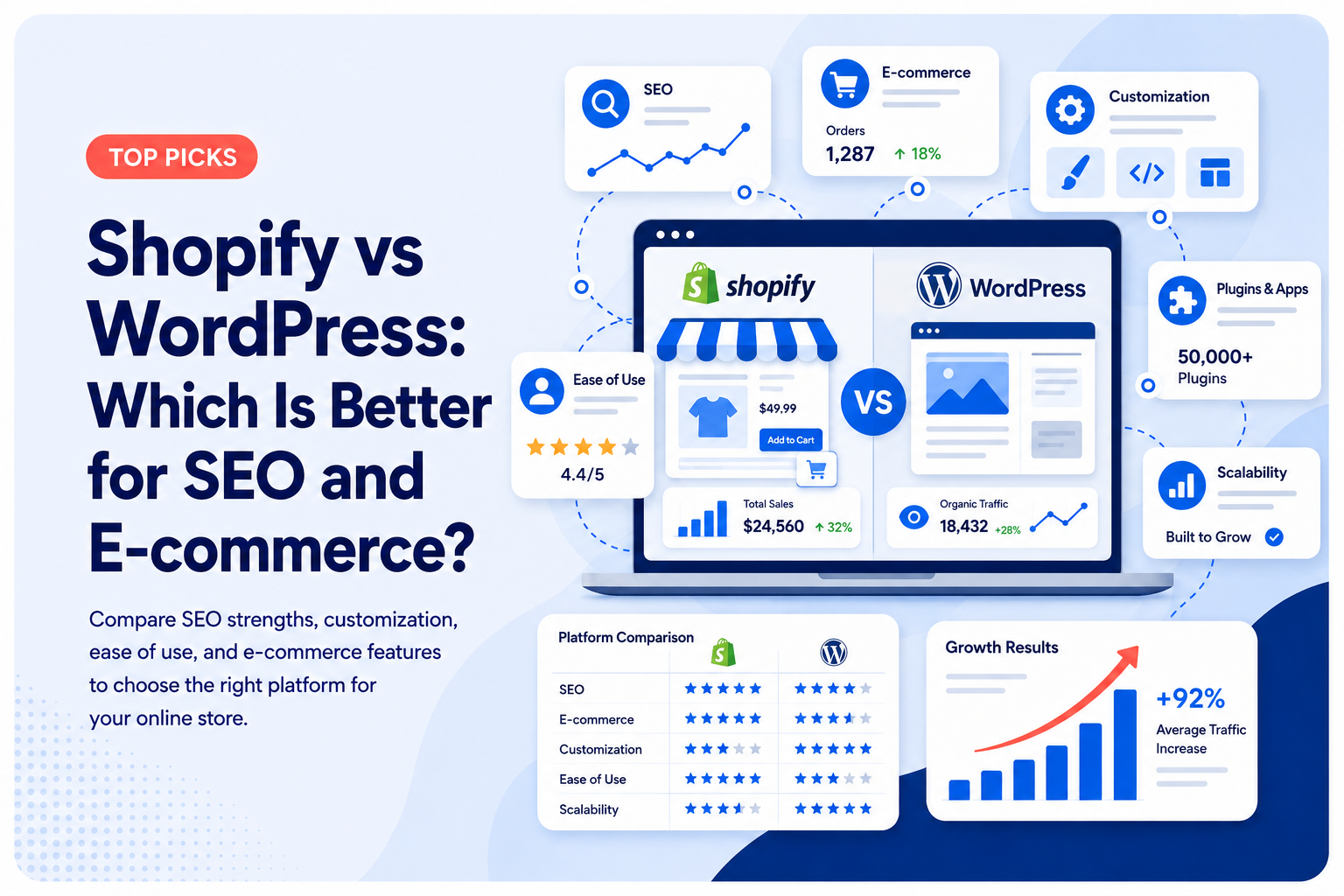
Both platforms can rank well in Google. The choice between them should depend on the complexity and scale of what you are building, not on which one is inherently more SEO-friendly.
Drupal has a structural advantage for large-scale content sites where content modelling matters. Think a news publisher with dozens of content types, a healthcare organisation managing clinical and marketing content under one CMS, or an enterprise running a multilingual site across five languages with distinct URL structures and hreflang requirements. Drupal’s native multilingual support, fine-grained canonical control, and taxonomy depth make it easier to implement these architectures cleanly, without bolting on plugin after plugin. For sites requiring complex editorial workflows, access controls, and structured data across hundreds of content types, Drupal’s configuration-first approach is a genuine advantage.
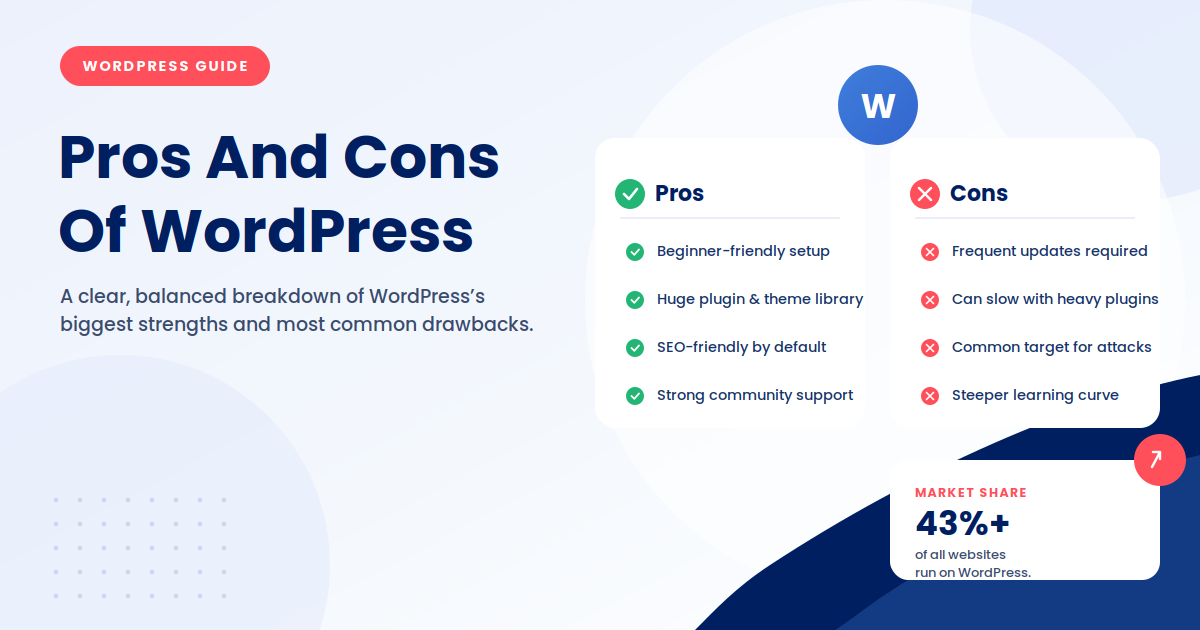
WordPress is simpler to configure for smaller sites, lighter editorial teams, or projects with limited developer resource. Its plugin ecosystem covers most SEO needs, and the barrier to a working SEO setup is lower. If the project scope is modest and speed of deployment matters, WordPress is often the more practical choice.
The decision is about scale and complexity, not platform quality. Both rank. The question is which one suits the architectural demands of your specific site.
The Bottom Line
Drupal’s flexibility and structural depth make it one of the strongest CMS options for SEO at scale. The platform’s advantages compound as sites grow: more content types, more taxonomy layers, more languages, more complex URL structures. The trade-off is that those advantages require deliberate configuration. Drupal does not become an SEO-friendly site by default; it becomes one through disciplined setup, the right module stack, and ongoing editorial governance.
What Drupal Offers for SEO Out of the Box
Before any contributed modules are installed, Drupal’s core provides several capabilities that directly support strong organic performance.
Clean, configurable URLs. Drupal generates semantic, readable URL paths by default and provides path aliases that can be configured at the content type level. This is foundational. URLs that reflect content hierarchy and keyword intent are both more crawlable and more credible to users landing from search results.
Powerful caching framework. Drupal core includes a layered caching system that significantly improves Time to First Byte (TTFB), one of the primary inputs into Largest Contentful Paint, the Core Web Vitals metric Google weights most heavily for page experience. The caching architecture is extensible through contributed modules, covered in the performance section below.
Structured content types and fields. Drupal’s content type system allows site builders to define exactly what fields exist on each type of content, and to apply SEO configuration (default metadata templates, canonical rules, schema mappings) at the content type level rather than page by page. This is one of Drupal’s most significant SEO advantages at scale: a single configuration decision can propagate correctly across thousands of nodes.
Taxonomy for information architecture and internal linking. Drupal’s taxonomy system creates structured content clusters that support both topical authority signals and navigational internal linking. Taxonomy terms generate their own URLs and listing pages, which, when configured correctly, create a coherent, crawlable site architecture that helps Google understand content relationships.
Mobile-responsive theme architecture. Drupal’s theming system is built for responsive, mobile-first output. A correctly implemented Drupal theme adapts layout, typography, and image sizing to any screen size, directly supporting mobile-first indexing, which Google uses as the basis for all ranking decisions. Responsive design is also a prerequisite for good Core Web Vitals scores on mobile.
Native multilingual support. Drupal’s built-in multilingual capabilities (the Language, Content Translation, Configuration Translation, and Interface Translation modules are all part of core) make it one of the most capable platforms for international SEO. Implementing hreflang correctly across a multilingual Drupal site is substantially more manageable than on platforms where multilingual support is bolted on through third-party plugins. For organisations targeting multiple language markets, this is a meaningful structural advantage.
Beyond the core, a set of contributed modules extends these capabilities significantly, and in some cases makes the difference between a theoretically capable SEO setup and one that actually performs.
Must-Have Drupal SEO Modules

Metatag
The Metatag module gives editors and developers control over title tags, meta descriptions, Open Graph tags, Twitter Card data, and more, all manageable at scale through Drupal’s token system. Rather than requiring manual entry on every node, Metatag allows you to define token-based templates at the content type level: for example, every product node automatically generates a title tag from its title field and category, with the option to override on individual pages when needed. For a site with hundreds or thousands of content nodes, this templating capability is what separates a consistent metadata strategy from an inconsistently maintained one.
Pathauto
Pathauto automates the generation of clean, semantic URL aliases based on configurable patterns, so that a new article titled “Drupal Performance Optimisation Guide” automatically receives a URL like /blog/drupal-performance-optimisation-guide without requiring manual path entry. This matters for SEO because URL slugs that reflect content hierarchy and target keywords are both more credible to users and more useful to crawlers mapping site structure. One practical note: configure Pathauto patterns before content production begins. Retroactively changing URL patterns on a live site requires careful redirect management.
Redirect
The Redirect module manages 301 and 302 redirects from within the Drupal admin interface, without requiring server-level configuration. When a page’s URL changes (through a Pathauto pattern update, a content reorganisation, or a site migration), Redirect automatically preserves the old URL with a 301 redirect to the new destination, protecting link equity and preventing 404 errors from accumulating. A practical usage note: enable the “Redirect on 404” sub-module so that 404 errors are logged and can be actioned as redirects directly from the admin interface rather than requiring manual discovery through Google Search Console.
Simple XML Sitemap
Simple XML Sitemap generates standards-compliant XML sitemaps across content types, taxonomy vocabularies, menu items, and custom paths, all configurable through the admin interface with priority and change frequency settings per entity type. This gives Google a clear, crawlable inventory of the site’s important URLs and accelerates indexation for new content. Unlike some sitemap solutions, Simple XML Sitemap handles multilingual sites correctly, generating language-specific sitemap variants and appropriate hreflang references, making it the recommended choice for multilingual Drupal deployments.
Schema.org Metatag
Schema.org Metatag extends the Metatag module to generate JSON-LD structured data at the content type level, meaning every node of a given type can automatically output the correct schema markup without manual coding per page. A blog post content type can be configured to emit Article schema; a FAQ content type can output FAQPage schema; a how-to guide can generate HowTo schema. This module is the foundation for Drupal’s AI Overviews and AEO readiness, covered in detail in the section below. It is worth understanding not just as a technical configuration but as a strategic capability that positions Drupal content for citation in AI-generated search results.
SEO Checklist
The SEO Checklist module provides a structured, task-based audit interface within the Drupal admin that guides site owners through the configuration of SEO-critical settings, from enabling clean URLs and configuring Metatag defaults to submitting the sitemap and verifying Google Search Console. For teams new to Drupal SEO or for projects being handed over between agencies, the checklist provides a systematic way to verify that foundational configuration has been completed correctly. Think of it as a structured QA layer on top of the module installations.
Redirect Domain / Global Redirect Alternatives
These modules handle domain-level redirect logic, ensuring that all variations of a site’s domain (www vs non-www, HTTP vs HTTPS) resolve consistently to a single canonical version. Without this, link equity is split across multiple domain versions and Googlebot may index duplicate versions of pages. The correct configuration depends on your hosting environment, but the principle is the same: every inbound request should resolve to one canonical domain, with all other variants returning a 301 redirect. Confirm this is working correctly after any hosting or SSL change.
Transliteration and URL Encoding Helpers
For multilingual sites, these utilities ensure that non-Latin characters in content titles (accented characters, Chinese, Arabic, or other scripts) are either transliterated into clean ASCII equivalents for URL generation or handled with proper encoding so that URLs remain clean and crawlable regardless of the content language. Without this, Pathauto may generate URLs with encoded characters that are technically valid but aesthetically poor and harder for users to share or remember. The configuration should be established early and applied consistently across all content types.
Token and CTools Utilities
Token provides the underlying variable system that powers Metatag’s templating, Pathauto’s pattern generation, and much of the automation that makes Drupal SEO scalable. CTools provides plugin and modal APIs used by many SEO-adjacent modules. Both are functional dependencies rather than directly user-facing tools, but they underpin the workflow efficiencies that separate a well-configured Drupal SEO setup from one that requires constant manual intervention. Ensure both are kept current when updating the rest of the module stack.
Optimising Drupal for Core Web Vitals and Performance
Core Web Vitals, Google’s user experience metrics, are a confirmed ranking factor. The three metrics are Largest Contentful Paint (LCP, which measures how quickly the main content loads), Interaction to Next Paint (INP, which measures how quickly the page responds to user input), and Cumulative Layout Shift (CLS, which measures visual stability as the page renders). Drupal’s architecture is capable of excellent scores on all three, but achieving them requires deliberate use of the platform’s performance toolkit.

Dynamic Page Cache
Dynamic Page Cache is a Drupal core module that caches full page responses for both anonymous and authenticated users, with the intelligence to cache the cacheable parts of a page even when some elements are personalised. For most Drupal sites, enabling Dynamic Page Cache is the single highest-impact performance action available. It dramatically reduces server response time, directly improving TTFB and LCP for returning visitors and crawlers.
BigPipe
BigPipe is a Drupal core module that enables progressive rendering. The page skeleton and static content load immediately, while personalised or session-specific elements (like a logged-in user’s name or a cart count) stream in separately after the initial render. This makes pages feel faster to users even when some content is user-specific, and it improves perceived performance without sacrificing personalisation. For sites with authenticated user experiences, BigPipe is particularly important for INP scores.
AdvAgg
The Advanced CSS/JS Aggregation (AdvAgg) module extends Drupal’s built-in CSS and JavaScript aggregation with additional compression, minification, and deferred loading capabilities. Render-blocking CSS and JavaScript are among the most common causes of poor LCP scores. AdvAgg reduces the number and size of asset requests, deferring non-critical scripts and inlining critical CSS where appropriate, directly addressing the asset-loading bottlenecks that PageSpeed Insights most commonly flags on Drupal sites.
Image Optimize
Image Optimize integrates with Drupal’s image styles system to apply automated compression and format conversion on image upload and derivative generation. Images are typically the largest contributors to LCP on content-heavy sites. Configuring Image Optimize to serve WebP format (a modern image format that delivers equivalent visual quality at 25 to 35 per cent smaller file sizes than JPEG or PNG) is one of the most impactful single optimisations available on Drupal. WebP is supported natively by all major browsers and Drupal’s image pipeline handles the fallback for older environments automatically.
CDN Integration
Drupal integrates with global CDN providers through the CDN module or direct configuration. For Singapore-based sites targeting local or APAC audiences, CDN integration is particularly valuable. It reduces the geographic latency between the server and the user, directly improving TTFB for visitors across the region. Cloudflare’s free tier covers most CDN needs for mid-sized Drupal sites; larger deployments typically use managed CDN through the hosting provider.
Performance is not a one-time configuration task. It requires ongoing monitoring. Use Google PageSpeed Insights and the Core Web Vitals report in Google Search Console to track scores across mobile and desktop regularly, particularly after major content releases or module updates.
Drupal for AEO and Structured Data (AI Overviews Readiness)
Answer Engine Optimisation, the practice of structuring content so that AI systems can extract and cite clear, attributable answers, is an increasingly important dimension of search marketing. Google AI Overviews, Perplexity, ChatGPT, and similar tools now answer many queries directly, drawing from pages that are structured to be citable: clear headings, direct answers, and schema-rich markup that tells AI systems exactly what type of content they are reading and what questions it answers.
Drupal’s architecture is particularly well-positioned for AEO readiness, for reasons that go beyond simply installing a structured data module.
Schema.org Metatag and Systematic JSON-LD
The Schema.org Metatag module enables what most CMS platforms can only achieve with significant developer effort: systematic structured data output across all content of a given type, configured once and applied automatically. A blog post content type outputs Article schema with the correct author, publication date, and headline fields populated from the node’s own data. A FAQ content type outputs FAQPage schema with each question-answer pair mapped from dedicated field groups. A how-to guide outputs HowTo schema with steps derived from a structured step field.
This is not manual schema markup. It is schema by architecture. Every new piece of content published to a correctly configured content type inherits the structured data without any editor action. The result is a site where AI systems encounter consistent, correctly typed, field-accurate schema on every page: exactly the signal that increases citation eligibility in AI-generated answers.
Content Type Architecture as AEO Infrastructure
Because Drupal’s content types are built from discrete fields, it is possible to create content types where AEO-ready structure is enforced at the data level. A FAQ content type with a Question field and an Answer field does not just generate FAQPage schema automatically. It also enforces the editorial discipline that produces citable content in the first place. Editors cannot publish a FAQ entry without a question and an answer in the correct fields. This architectural constraint produces the kind of clean, structured Q&A content that AI systems prefer to cite.
The same logic applies to How-To content, Article content with author E-E-A-T fields, and Product content with price and availability schema. Drupal’s content modelling capability means AEO-ready content structure can be built into the editorial workflow rather than bolted on after the fact.
Taxonomy and Topical Authority
Drupal’s taxonomy system does not just organise content for navigation. It builds the content clusters that signal topical authority to AI systems. When a Drupal site uses taxonomy consistently to group related content under shared terms (a healthcare site grouping all cardiology content under a “Cardiology” term with its own landing page, related articles, and entity schema), it creates the kind of coherent topical depth that both Google’s quality systems and AI citation algorithms favour. The taxonomy structure itself becomes evidence of domain expertise, not just an organisational convenience.
First Page Digital’s SEO team implements AEO strategy for Drupal sites, from content type architecture designed for AI citation readiness to Schema.org Metatag configuration and ongoing AEO performance monitoring.
On-Page SEO Best Practices in Drupal
The modules and architecture provide the framework, but rankings are also determined by what content editors and site managers do within that framework every day. These are the on-page practices that matter most in the Drupal editorial environment.
Heading structure. Each page should have exactly one H1, which in Drupal’s default setup is generated from the node title. Treat the node title as the H1 and optimise it accordingly: it should include the primary keyword and accurately describe the page’s content. H2 headings should introduce major sections, H3s should subdivide within sections, and the hierarchy should not skip levels. In Drupal’s CKEditor-based body field, it is easy for editors to apply heading tags inconsistently; a brief editorial style guide covering heading usage saves significant remediation effort later.
Title tags and meta descriptions. Use the Metatag module to set token-based default templates for every content type. A title tag template like [node:title] | [site:name] is a reasonable start, but a more precise template that incorporates the primary keyword pattern for that content type is better. Keep title tags between 50 and 60 characters; meta descriptions between 140 and 155 characters, written to generate clicks rather than simply describe content. Individual nodes can override the template defaults when the automated output is not optimal. That is the correct model: sensible defaults with the flexibility to improve.
Image optimisation. Every image in Drupal’s media library should carry a descriptive, keyword-relevant alt text attribute. Alt text is an indexable signal that contributes to image search visibility and provides context to Google when crawling page content. Configure Image Optimize module to apply compression and format conversion automatically on upload so that page weight is managed at the infrastructure level, not manually by editors. Image styles in Drupal allow you to define the correct dimensions for each display context. Use them consistently rather than serving full-resolution images and relying on CSS to resize.
Internal linking. Drupal’s menu system and entity reference fields support a logical, consistent internal linking structure. Define the site’s main navigational hierarchy through the menu system, then supplement with contextual links in body content using descriptive anchor text that reflects the destination page’s topic. Drupal’s Views module can automate “related content” linking based on shared taxonomy terms, a practical way to build internal link equity across a large content archive without requiring individual editorial decisions on every page.
Canonical tags. Use the Metatag module to set canonical tags on all pages, particularly taxonomy listing pages, paginated archives, and any URL that exists in multiple variants (with and without trailing slash, with query string parameters, with language prefix). The default self-referencing canonical is a reasonable baseline, but sites with complex URL structures should audit canonical logic explicitly, particularly after migrations or major URL changes. Incorrect canonical tags are one of the most common causes of indexing issues on larger Drupal sites.
Common Challenges and Limitations of Drupal for SEO
Configuration complexity
Drupal gives you fine control, but that power comes with a learning curve. Getting clean URL patterns, metadata defaults, redirects, and schema in place often requires thoughtful planning, careful module selection, and environment specific testing.
Module sprawl and maintenance
Success in Drupal often relies on contributed modules. Adding too many can create overlap, conflicts, or slow updates. Teams need clear governance for what to install, how to configure it, and how to keep everything updated without breaking key features.
Performance tuning and core web vitals
Drupal can be very fast, but it does not become fast by accident. You still need strong caching, image styles that output the right sizes, a content delivery network, and minimal render blocking scripts. Large media libraries and complex views can hurt largest contentful paint and interaction metrics if left unchecked.
Theme structure and semantics
Beautiful themes do not always ship with ideal heading order or accessible markup. It is easy for editors to create multiple H1 elements or skip levels in the heading tree. Templates and editor training should enforce one clear H1, followed by logical H2 and H3 sections.
Duplicate and crawl control
Views, taxonomy listings, pagination, and faceted filters can produce many near identical pages. Without clear canonicals, robots rules, and link strategy, crawlers can waste budget and dilute signals. Plan URL patterns and canonical logic before you scale content.
Multilingual and international setup
Drupal supports multiple languages very well, yet international SEO still requires care. Language negotiation, path prefixes, and hreflang must be configured consistently. Large programs need a repeatable process for translation, regional content differences, and cross region internal linking.
Editorial workflow and governance
Drupal thrives in teams, but editors need simple guardrails. Provide clear fields for titles and descriptions, require alt text, and standardize image styles. Create checklists and review steps so basic SEO tasks are not skipped during busy publishing cycles.
Hosting and infrastructure choices
Performance depends on the stack behind the site. Slow database servers, weak caching layers, or noisy neighbors will drag rankings down. Choose hosting that supports modern PHP versions, robust caching, and automated deploys with rollback.
Structured data depth
Modules cover common schema types, yet complex or niche schemas may need custom JSON LD. This adds review and QA overhead, and requires a workflow so editors do not overwrite or duplicate markup.
Large migrations and URL changes
Drupal is often used for major replatforms. Moving from legacy structures to clean paths is possible, but it demands meticulous redirect planning and testing. Missed redirects and changed slugs lead to 404s and lost equity.
Frequently Asked Questions
Is Drupal good for SEO?
Yes. Drupal is a highly capable SEO platform when configured correctly. Its core provides clean URL structures, a powerful caching framework, flexible content types, and native multilingual support, all of which are foundational SEO capabilities. The contributed module ecosystem (Metatag, Pathauto, Redirect, Schema.org Metatag, Simple XML Sitemap) extends these foundations to cover metadata management, structured data, and crawl control at enterprise scale. The important qualifier is “when configured correctly”. Drupal requires deliberate setup, and an unconfigured Drupal site will not automatically outperform other platforms.
Is Drupal better than WordPress for SEO?
Neither is categorically better. Both can rank well. Drupal has a structural advantage for large-scale, complex sites: enterprise multilingual implementations, sites with many content types requiring systematic metadata and schema management, and projects requiring precise canonical and URL control that WordPress plugins handle less cleanly at scale. WordPress is simpler to configure for smaller sites with lighter editorial teams and limited development resource. The right choice depends on the complexity of the project, not on which platform Google prefers. Google does not have a CMS preference.
What are the best Drupal SEO modules?
The five most essential modules for a well-configured Drupal SEO setup are: Metatag (title tags, meta descriptions, Open Graph, and Twitter Card data at scale), Pathauto (automated, keyword-friendly URL alias generation), Redirect (301 redirect management from within the admin interface), Simple XML Sitemap (standards-compliant sitemaps with multilingual support), and Schema.org Metatag (systematic JSON-LD structured data output across content types). Beyond these, Dynamic Page Cache and BigPipe are core modules that should be enabled for performance, and AdvAgg and Image Optimize extend performance capabilities further.
How do I improve my Drupal site’s SEO?
A systematic Drupal SEO improvement follows this sequence: first, configure the core module stack (Metatag, Pathauto, Redirect, Simple XML Sitemap) and establish URL patterns and metadata templates before content is produced at scale. Second, optimise performance using Dynamic Page Cache, BigPipe, AdvAgg, Image Optimize, and CDN integration, then verify Core Web Vitals scores via Google PageSpeed Insights. Third, implement structured data through Schema.org Metatag, mapping the correct schema type to each content type. Fourth, enforce on-page best practices across the editorial workflow: heading hierarchy, descriptive alt text, canonical tag management, and consistent internal linking. Fifth, audit regularly. Google Search Console’s Coverage, Core Web Vitals, and Performance reports are the primary monitoring tools for ongoing Drupal SEO health.
Conclusion: Building an SEO-Capable Drupal Site
Drupal is one of the strongest platforms available for SEO at enterprise scale. Its content architecture, taxonomy system, performance toolkit, and structured data capabilities combine into a foundation that, properly configured, gives SEO practitioners the control and consistency they need to build and maintain strong organic visibility.
The discipline required to get there is real. A Drupal site configured without SEO intention (default URL patterns left as-is, Metatag untemplated, performance modules uninstalled) will not compete effectively. But a Drupal site built with SEO embedded in its architecture, with the right module stack, systematic schema output, and editorial governance in place, is among the most capable organic search assets a business can operate.
If you are working with a Drupal site and want to ensure the SEO configuration is complete, correctly implemented, and performing to the platform’s potential, First Page Digital’s SEO services cover technical configuration, structured data implementation, and ongoing organic visibility management for Drupal-based sites. If you are still evaluating whether Drupal is the right CMS for your project’s SEO requirements, our guide to the best CMS for SEO compares Drupal against WordPress, Webflow, and other platforms across the dimensions that matter most for organic performance.