Choosing an e-commerce platform feels simple until you’re three months in, hemorrhaging money on apps you didn’t budget for, and wondering why your competitor is outranking you.
I’ve spent over five years auditing stores across nearly every major CMS, and the WordPress or Shopify debate comes up every single time.
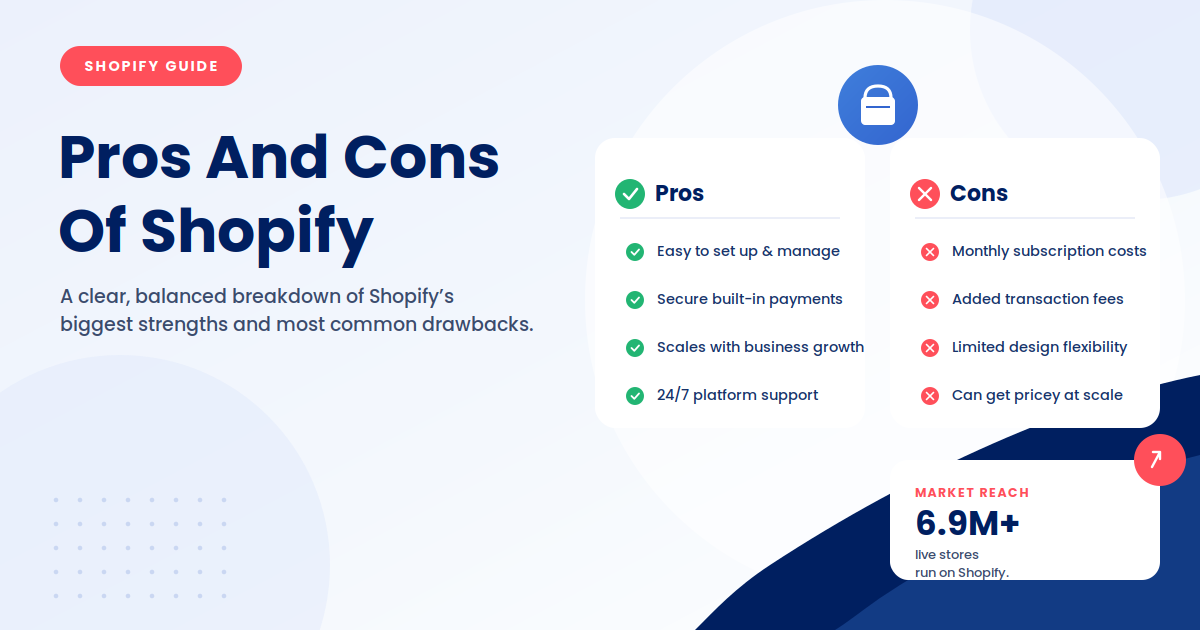
This article gives you an honest breakdown of Shopify’s pros, cons, and Shopify SEO limitations, so you can decide if it’s actually the best CMS for SEO for your business model.
Shopify Advantages and Disadvantages: A Quick Overview
| Advantages | Disadvantages |
| Easy to set up with no coding experience needed | Pricing adds up fast once apps and fees are included |
| Abandoned cart recovery, discounts, and gift cards on all plans | Transaction fees of 0.6% to 2% apply outside Shopify Payments |
| Competitive card processing rates through Shopify Payments | Deep customization requires Liquid code or a developer |
| Native multichannel sync with TikTok, Instagram, and Facebook | Leaving the platform means losing theme builds and app configurations |
| SSL, PCI DSS Level 1 compliance, and hosting fully managed | Professional reporting only unlocks from the $99 SGD/mo Grow plan |
| Scales from solo founders up to enterprise brands | URL structure is rigid and cannot be customized for SEO |
The Pros of Shopify
Ease of Use and Setup

I’ve set up stores on WordPress, Magento, Wix, BigCommerce, and a few platforms nobody talks about anymore.
Every time a client asks me about Shopify, my honest first answer is: if getting live fast matters to you, nothing beats it.
You pick a theme, add your products, connect a payment method, and you’re selling, no server configuration, no plugin conflicts, no mysterious white screen of death at 11pm.
The section-based drag-and-drop editor is beginner-friendly, and the admin dashboard is laid out in a way that’s not confusing.
After watching clients spend three weeks “setting up” a WooCommerce store before listing a single product, I don’t take that for granted anymore.
Built-In e-commerce and Marketing Tools
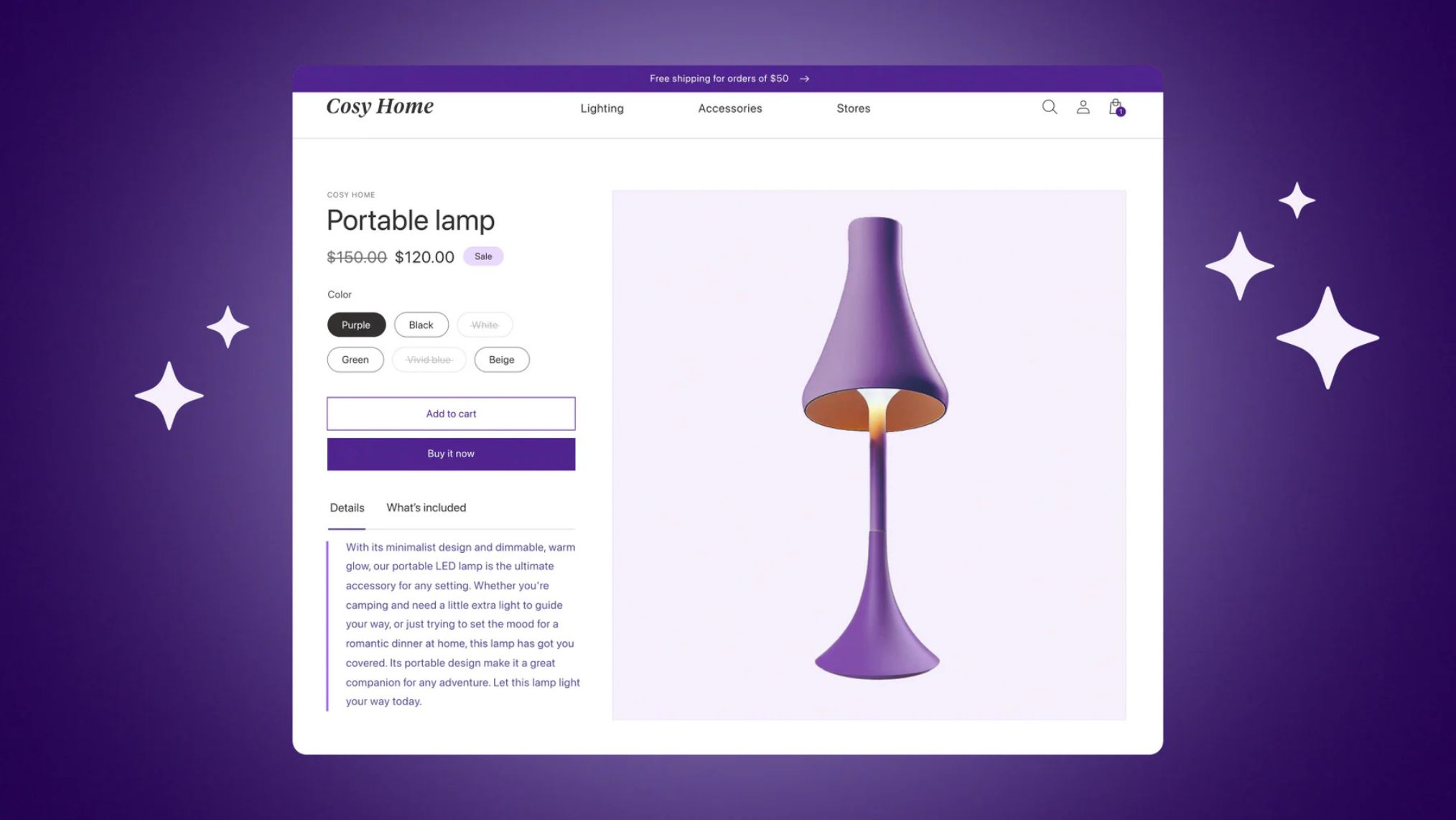
Abandoned cart recovery, discount codes, gift cards, and product reviews are all baked into Shopify, even on the Basic plan. No plugins required.
I had a client selling specialty coffee online go from zero to their first sale in under 48 hours because those tools removed every excuse to delay.
Shopify also ships with AI-powered features under the “Shopify Magic” umbrella, think product description drafts and email subject line suggestions.
It’s not a replacement for a content strategy, but for a lean team publishing 200 product descriptions without losing their minds, it really helps.
Payment Processing
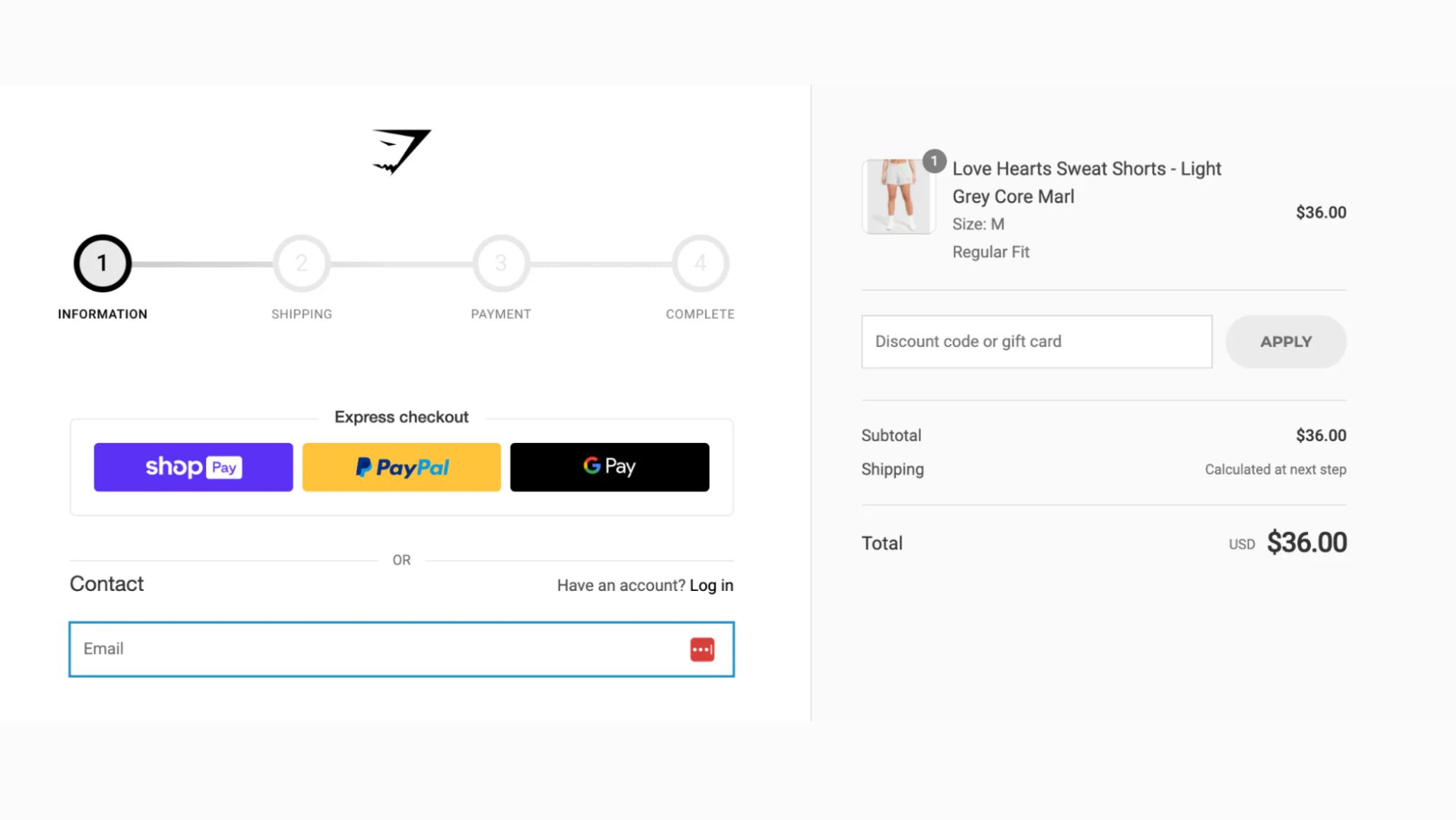
Use Shopify Payments as your primary gateway and you pay zero additional transaction fees on top of standard card processing rates.
Those rates drop as you move up plans, from 3.2% + $0.50 SGD on Basic to 3% + $0.50 SGD on Advanced. The platform also supports over 100 third-party gateways including PayPal, Klarna, and Afterpay.
The buy now, pay later options specifically have been a quiet conversion driver for clients selling higher-ticket items.
One furniture client saw measurable average order value increases just from adding Afterpay at checkout.
App Ecosystem
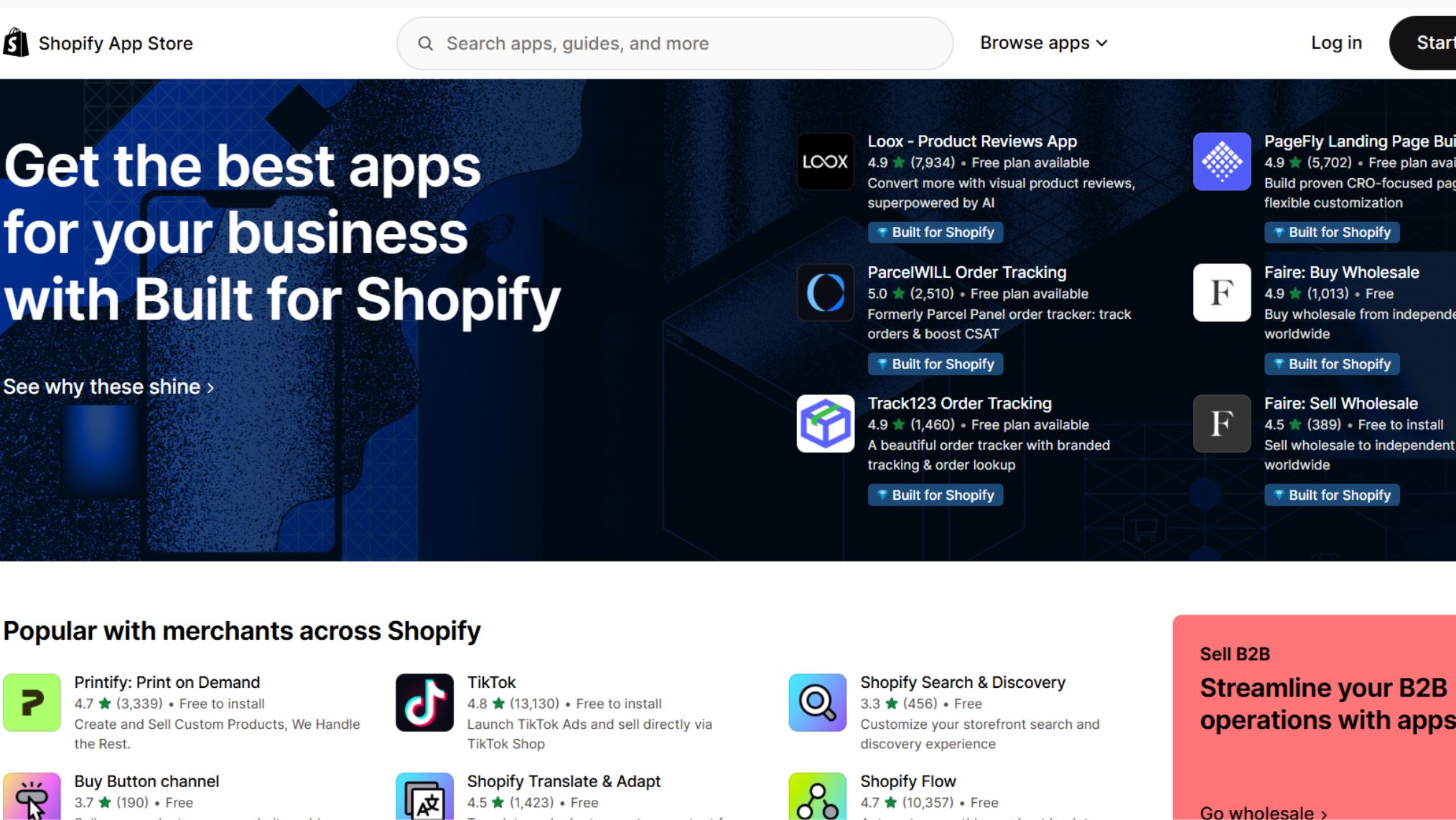
Over 8,000 apps in the Shopify App Store means there is almost nothing you can’t add to a store if you’re willing to pay for it. And compared to WordPress’s plugin directory, the quality control is noticeably better.
Most Shopify apps integrate cleanly, have active support, and don’t silently break each other.
That last point matters more than people realize. I’ve spent hours troubleshooting WooCommerce plugin conflicts that nobody could explain. That’s rarely the Shopify experience.
Multichannel and Social Commerce
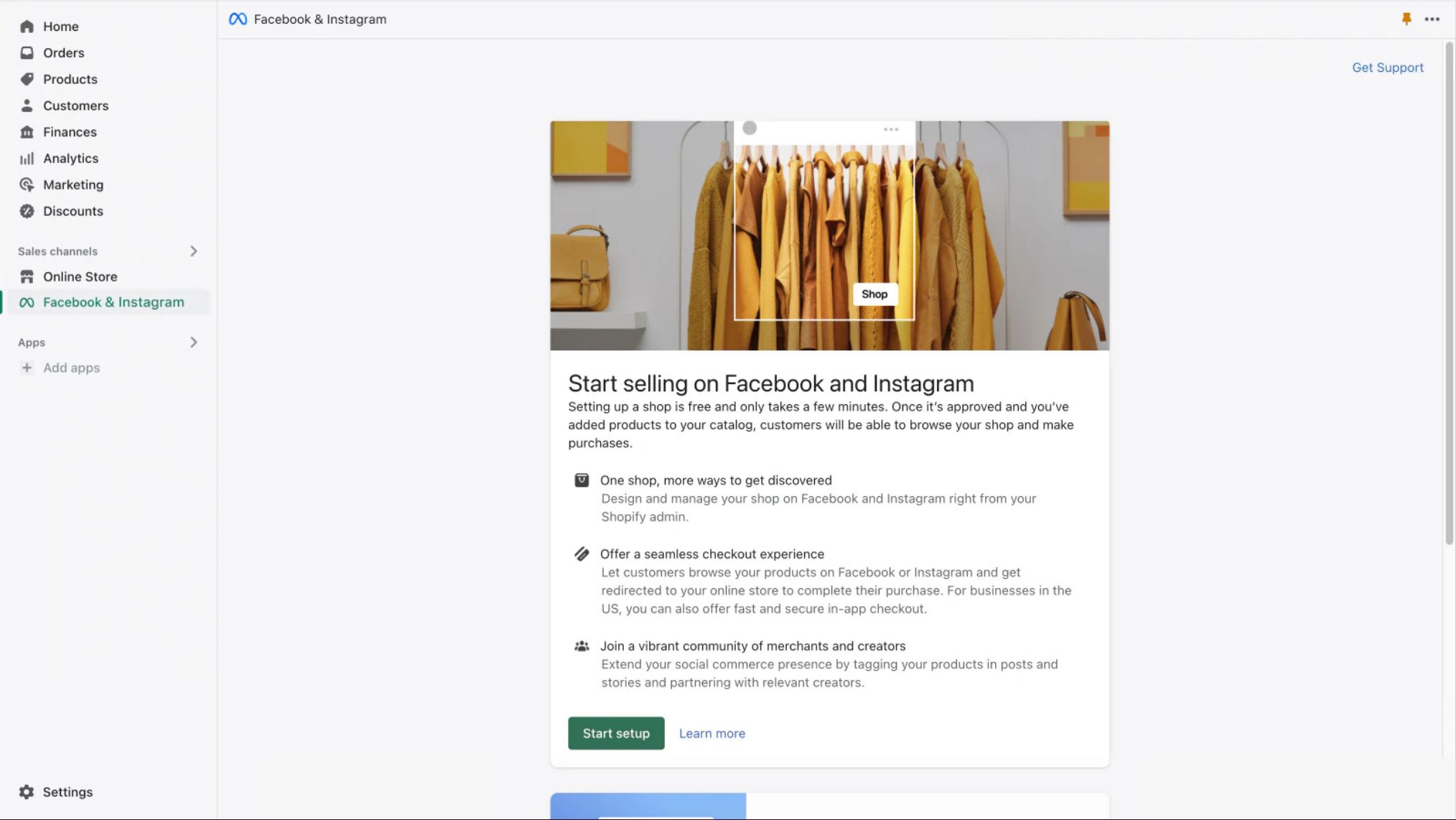
Shopify’s native integrations with Facebook, Instagram, TikTok Shop, and Pinterest have pulled ahead of the competition in the last few years.
You sync your product catalog to social channels directly from the Shopify admin, no middleware, no manual CSV uploads, no third-party connector falling over on a Saturday morning.
I’ve seen direct-to-consumer (DTC) brands run five active sales channels, including Amazon and eBay, without adding a single new tool to their stack.
Security and Hosting
Every Shopify store comes with SSL, Level 1 PCI DSS compliance, and cloud hosting managed entirely by Shopify.
When a Black Friday campaign floods a store with three times the normal traffic, the hosting doesn’t collapse.
That’s not something you automatically get on a self-hosted setup, and I’ve seen what happens when it does collapse during a sale.
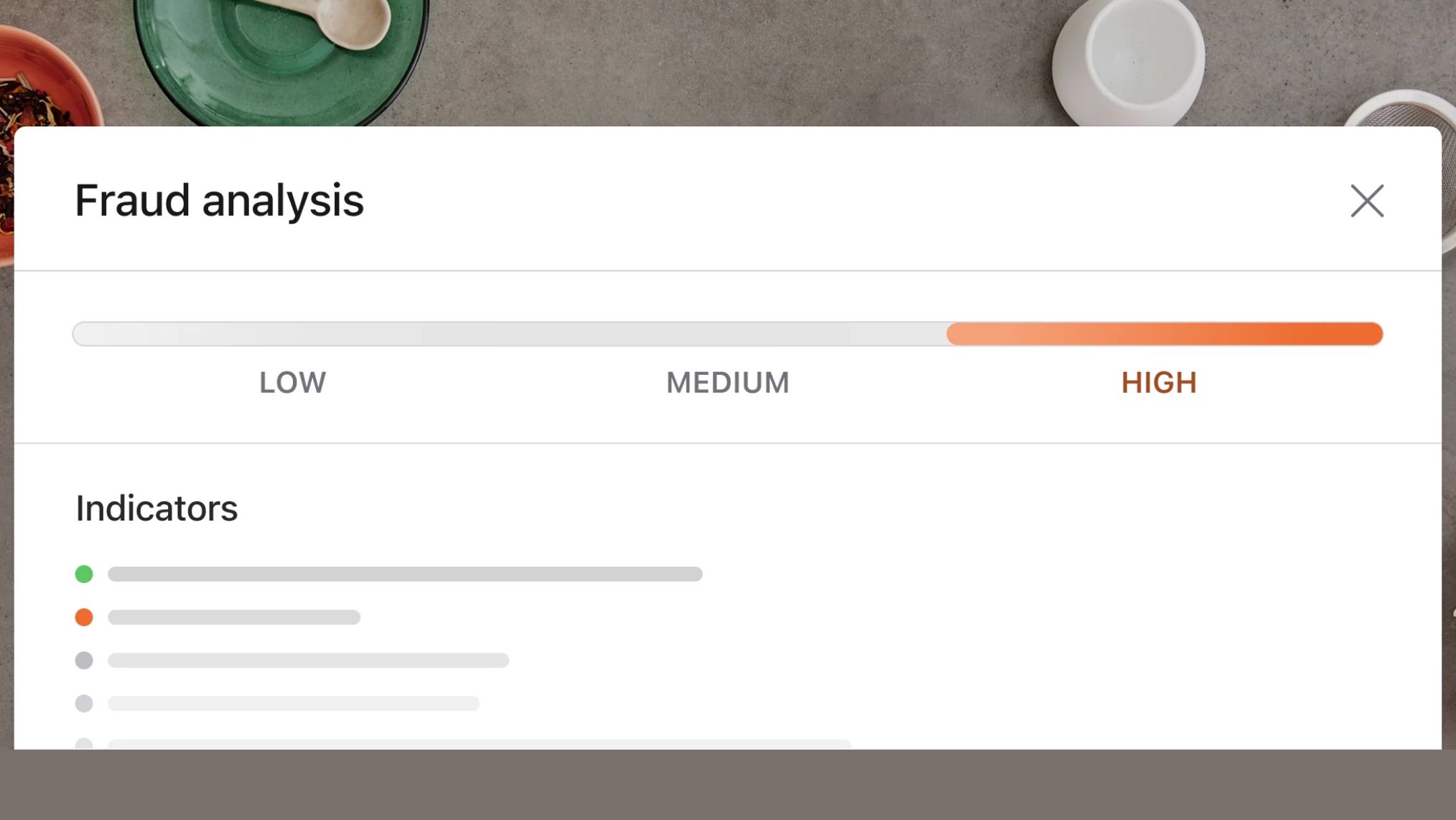
Built-in fraud analysis flags orders by risk level across all plans, which is a quiet but very useful safeguard.
Scalability

Shopify scales in a way that genuinely surprises people who assume it’s just for small stores. Gymshark and Allbirds both run on Shopify Plus.
The architecture, hosting, and tooling grow with the business without requiring a platform migration every time you hit a new revenue milestone. For most e-commerce brands, that ceiling is comfortably high.
That said, multi-storefront functionality, deep B2B pricing controls, and fully custom checkout flows all require Shopify Plus, which starts at around $2,300 per month.
Most businesses reading this won’t hit those walls for a long time. But it’s worth knowing the ceiling exists.
The Cons of Shopify
Pricing Structure
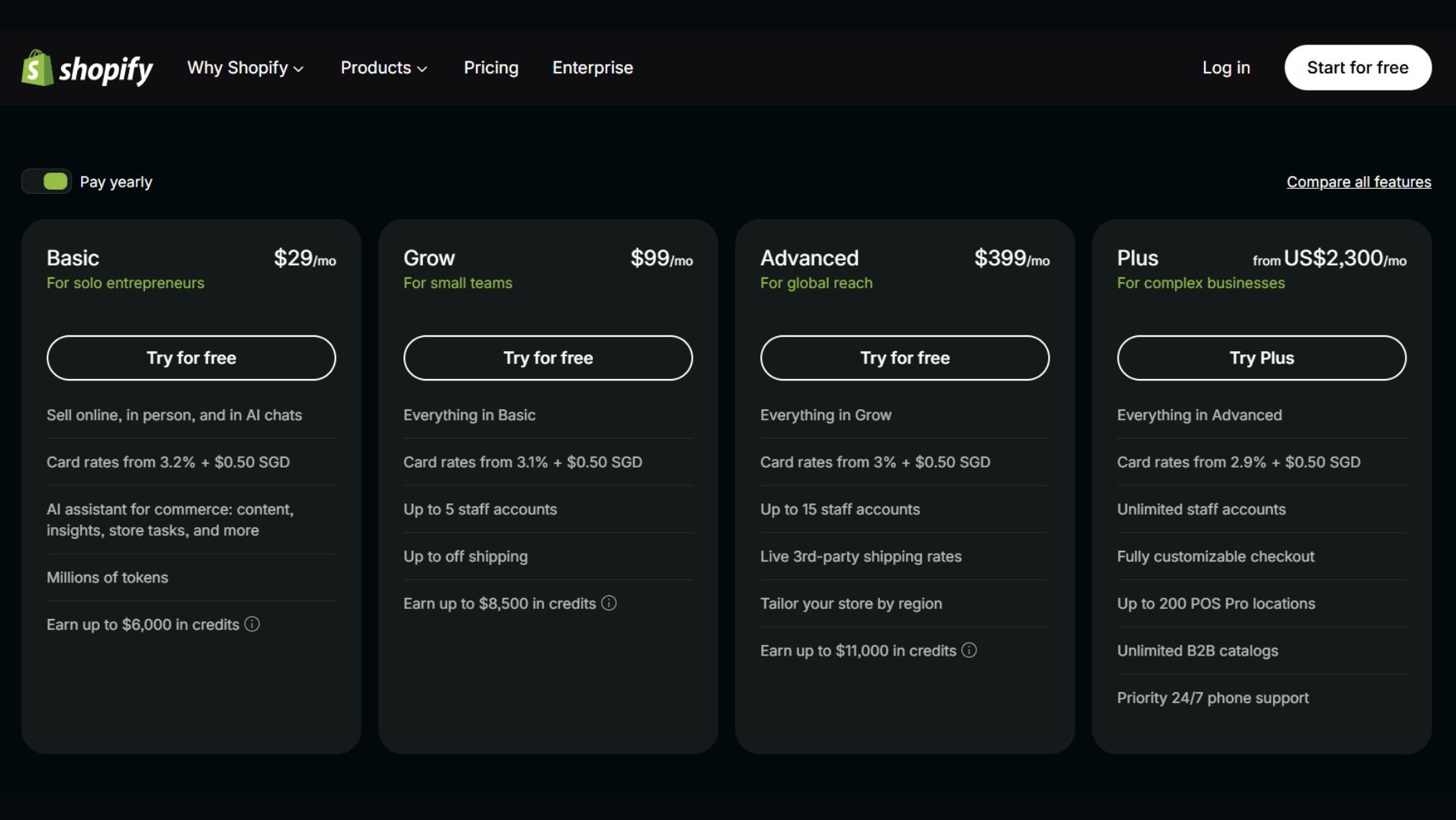
Shopify starts at $29 SGD per month (billed annually) and $39 SGD per month (billed monthly) and premium themes can run up to $500 one-time. Most meaningful apps cost $10 to $50 per month each.
Stack a loyalty program, subscription billing, and a proper email platform, and you’re looking at $150 to $250 per month before making a single sale.
I always tell clients to budget for 2x to 3x the base plan price as their Shopify cost. Compare total cost of ownership, not sticker prices.
Transaction Fees Outside Shopify Payments
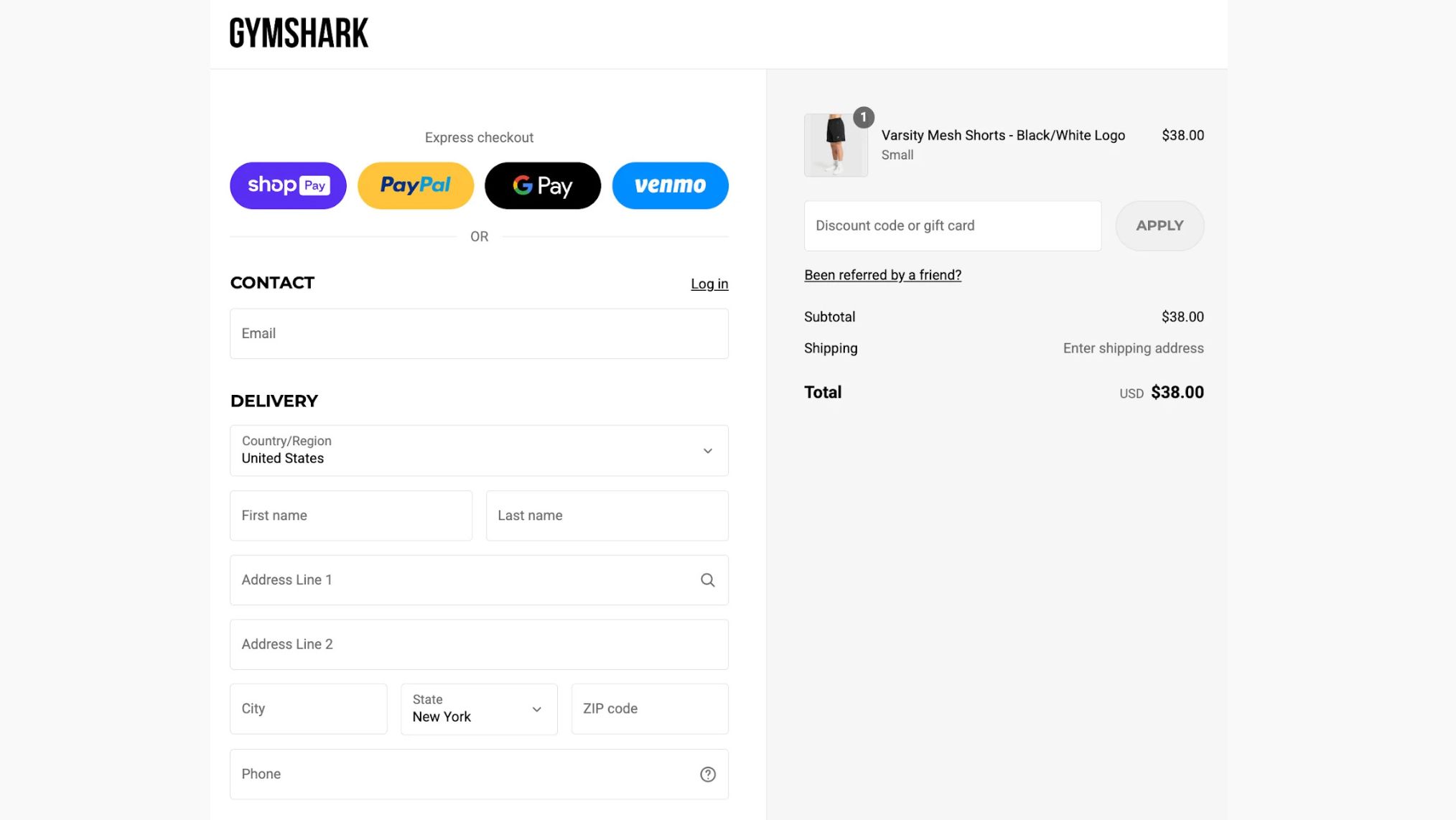
If you use any gateway other than Shopify Payments, you pay an additional transaction fee of 2% on Basic, 1% on Grow, or 0.6% on Advanced, on top of whatever your payment gateway already charges.
For a business doing $50,000 a month on the Basic plan, that’s an extra $1,000 leaving the door every month.
In markets where Shopify Payments isn’t available, including parts of Southeast Asia, this becomes a structural problem. So, ensure that you check availability in your market before committing.
Limited Customization Without Code
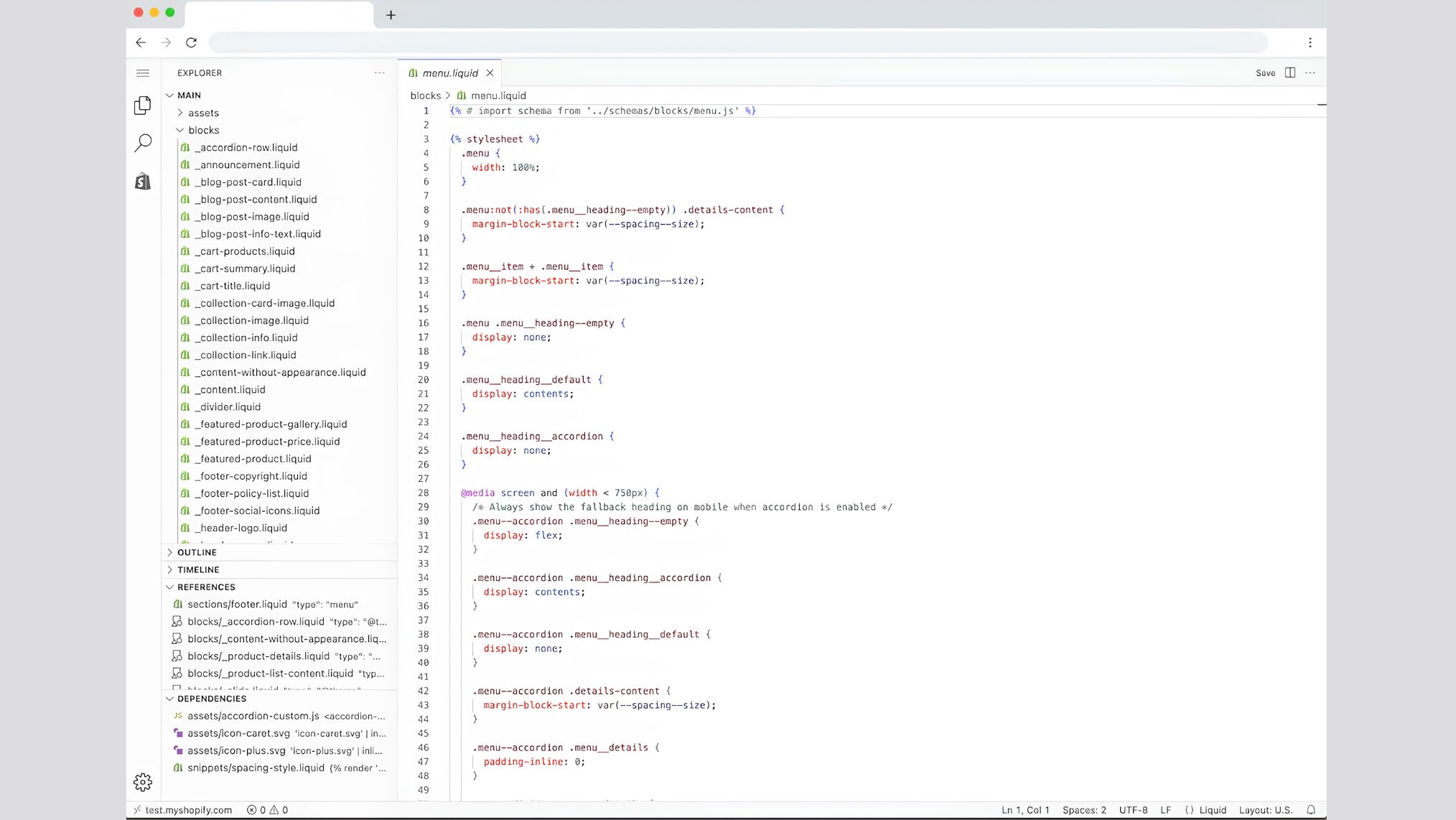
Past basic layout adjustments, you hit a wall. Shopify uses a proprietary templating language called Liquid, which isn’t standard across the developer ecosystem.
Finding a Liquid-fluent developer takes more effort and often costs more than finding a general WordPress developer.
Checkout customization is the biggest constraint. Full control over the checkout experience is locked behind Shopify Plus. On standard plans, you work with what Shopify gives you.
Platform Lock-In
You can export a CSV of your product data. Your theme customizations, app configurations, and store logic don’t come with you.
Migrating from Shopify, to WooCommerce or BigCommerce takes time and money. Make peace with that tradeoff before you start customizing deeply.
Reporting and Analytics on Lower Plans
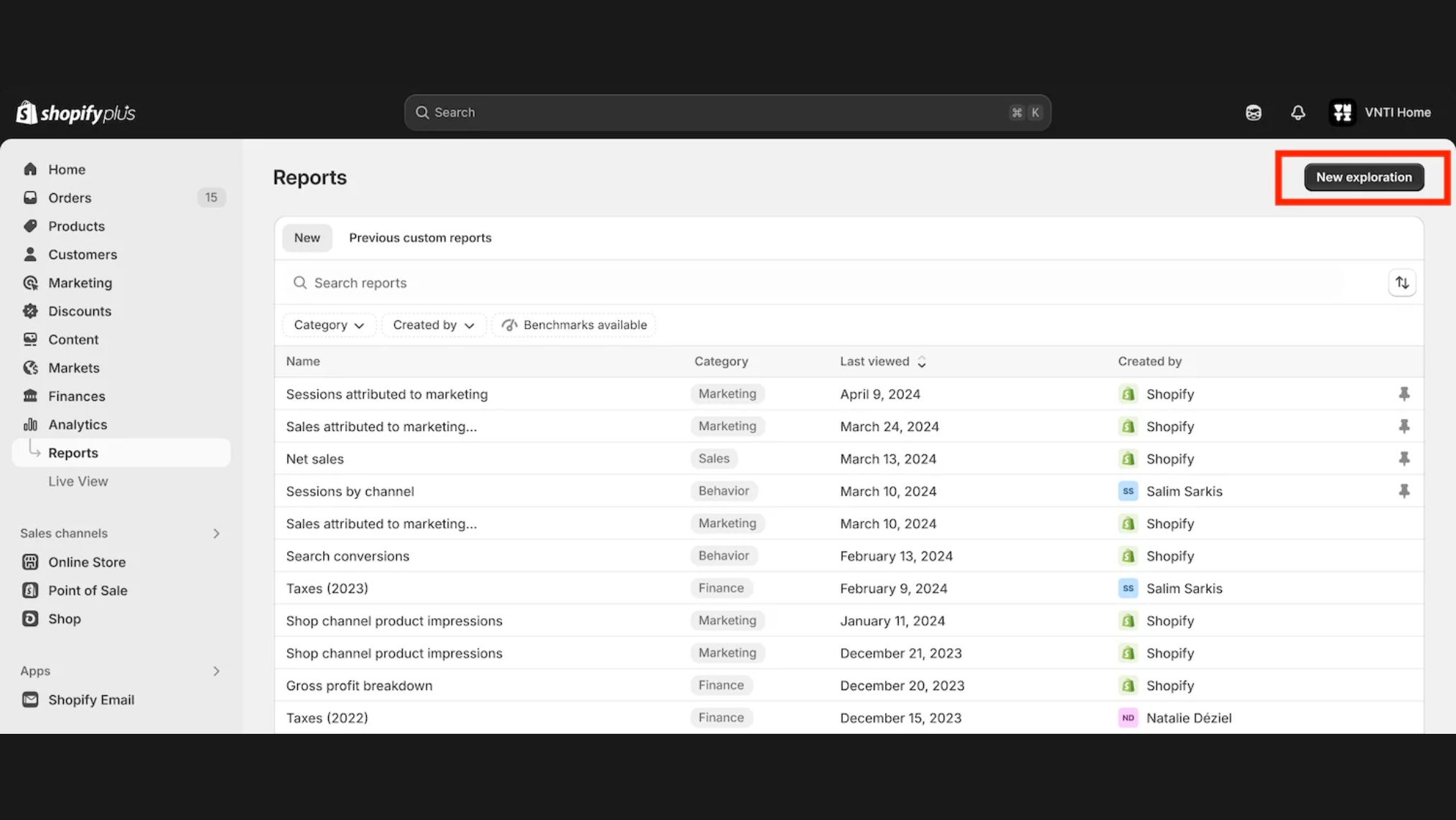
Professional reports, including sales by channel and customer lifetime value, unlock at the Grow plan ($65/mo billed annually, $72/mo billed monthly).
Advanced custom reporting sits behind the Advanced plan ($360/mo billed annually, $399/mo billed monthly).
For a data-driven marketer, this tiering is frustrating at exactly the stage when that data matters most.
Is Shopify Good for SEO?
What Shopify Gets Right for SEO
Shopify handles a solid chunk of technical SEO automatically. Every store gets an auto-generated XML sitemap, canonical tags applied by default, SSL across the entire site, and mobile-responsive themes.
On-page SEO is also straightforward: editable title tags, meta descriptions, and URL handles are all accessible directly from the admin, with a Search Listing Preview that shows how a page will look in Google before it goes live.
Where Shopify Falls Short on SEO
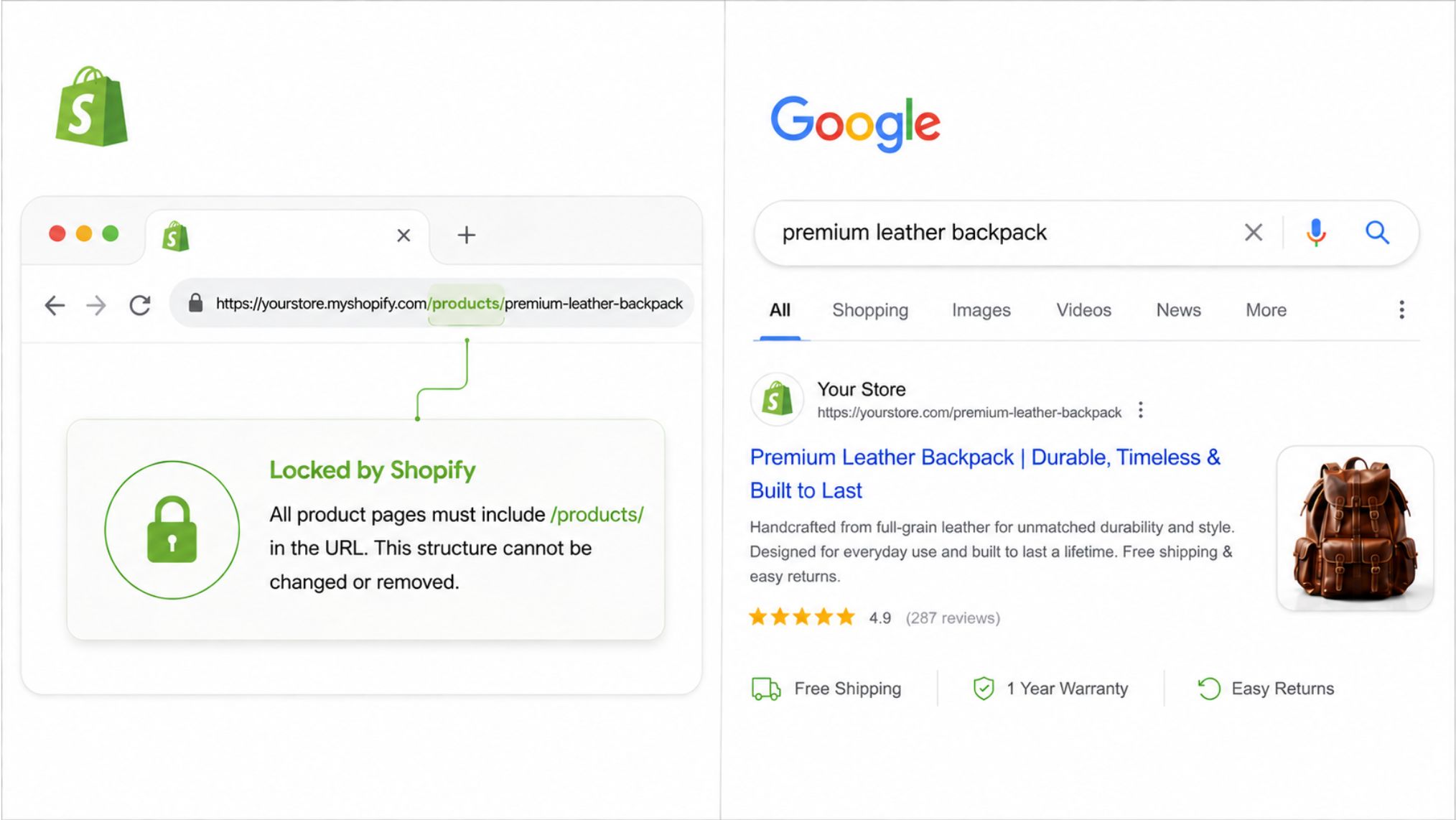
Shopify’s URL structure is rigid and you cannot change it. Products live at /products/your-product and collections at /collections/your-collection permanently.
That limits control over site architecture and topical authority signals for stores doing serious SEO work.
Duplicate content also requires active management, since a product appearing in multiple collections generates multiple URL paths.
Canonical tags handle most of it, but filtered and tag pages can still produce thin content at scale without careful oversight.
Shopify vs Other e-commerce Platforms: My Honest Take
| Feature | Shopify | BigCommerce | WooCommerce |
| Ease of Setup | Hosted, guided onboarding, live in hours | Steeper learning curve than Shopify | Requires hosting, WordPress, and plugin setup |
| Monthly Cost
(Entry, Annual Billing) |
Basic $29 SGD/mo (Annual), $39 SGD/mo (Monthly) | $29/mo (Standard)
Forced upgrade at $50K annual sales |
Free plugin
Hosting + plugins = approx. $80 to $150/mo |
| Transaction Fees | 0.6% to 2%
Applies when not using Shopify Payments |
Up to 2.0% Open Payment
Provider Fee on third-party gateways |
None; gateway fees only |
| SEO Flexibility | Rigid /products/ and /collections/ URL structure | More URL customization than Shopify | Full URL control, Yoast/Rank Math, custom schema |
| Customization Depth | Liquid templating; checkout locked behind Plus | Stencil framework; steeper dev learning curve | Fully open source, modify anything |
| App / Plugin Ecosystem | 8,000+ apps
Well-vetted, stable integrations |
Smaller ecosystem
More features built in natively |
59,000+ WordPress plugins
Quality varies; more responsibility on user |
| B2B / Enterprise Tools | Foundational B2B on all plans
Advanced B2B requires Shopify Plus ($2,300+/mo) |
Built in on all plans
B2B pricing, multi-storefront included |
Plugin-dependent
WooCommerce B2B and wholesale plugins available |
| Multichannel / Social Commerce | Native TikTok, Instagram, Facebook, Pinterest sync | Marketplace integrations, fewer native social tools | Available via plugins; requires manual setup |
| Security and Hosting | Fully managed
SSL, PCI DSS Level 1, CDN, auto-scaling |
Fully managed
Same hosted reliability as Shopify |
Self-managed
Hosting, SSL, and updates are your responsibility |
| Reporting and Analytics | Professional reports from $99 SGD/mo (Grow plan)
Basic dashboard on entry plan |
Built-in analytics on all plans
Stronger than Shopify at entry level |
Free via GA4, Metorik, or Jetpack
Highly customizable |
| Best For | DTC brands, multichannel sellers,
fast-launch e-commerce |
High-volume merchants,
complex catalogs, B2B sellers |
Content-driven stores,
SEO-heavy brands, developer teams |
Shopify vs BigCommerce
The practical differences come down to two things: transaction fees and native features.
BigCommerce charges no additional transaction fees regardless of gateway, which matters for merchants who can’t or won’t use a platform-native payment solution.
It also includes B2B pricing, multi-storefront support, and up to 600 product variants by default without requiring apps.
Shopify earns back the comparison on ease of use, checkout conversion quality, and app ecosystem depth.
Shopify vs WooCommerce
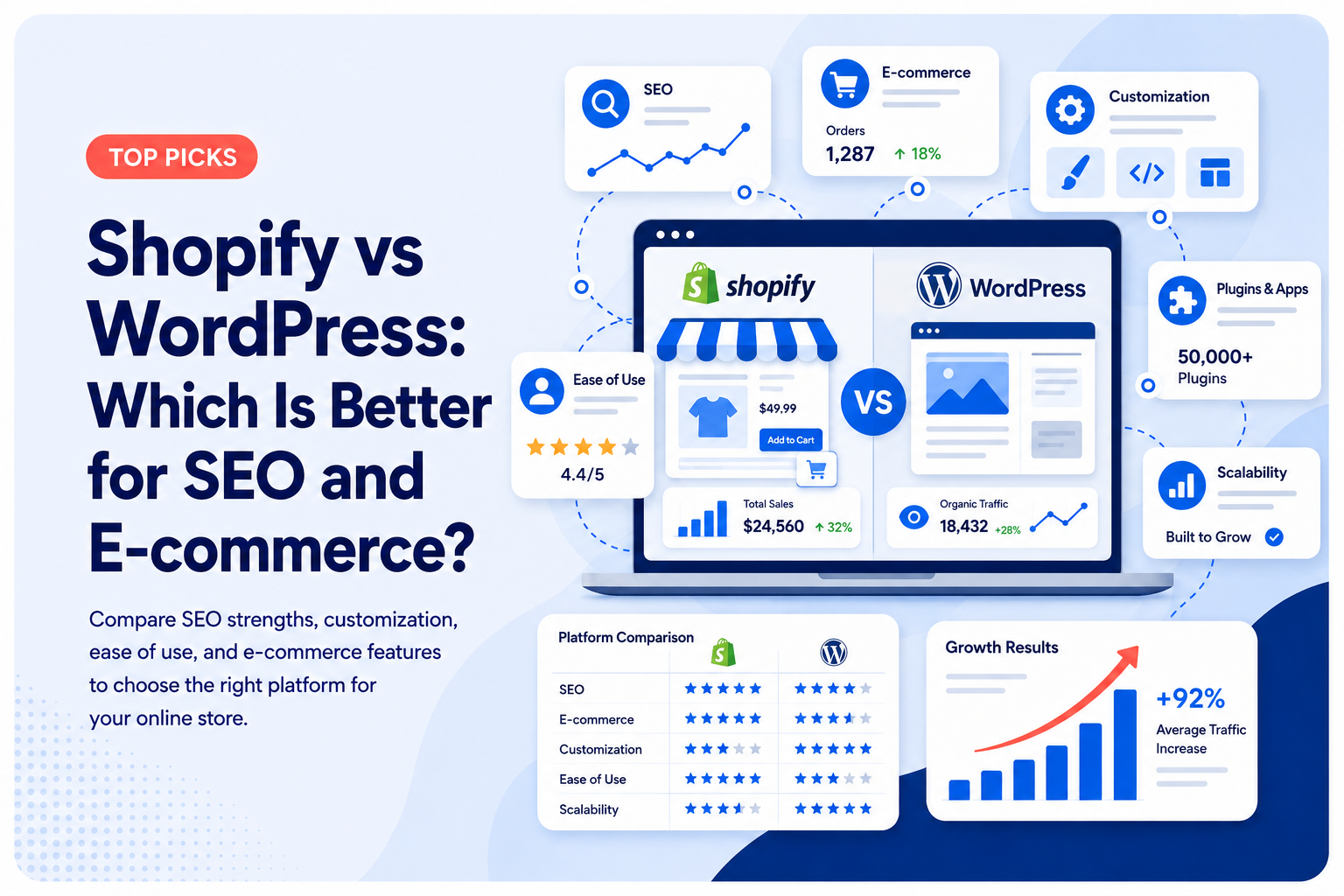
WooCommerce is free as a plugin, but once you add reliable hosting, SSL, premium plugins, and a solid theme, you’re often spending $80 to $150 per month, not far from Shopify Basic.
What you get for that money is different. WooCommerce gives you full open-source flexibility, complete URL customization, and WordPress’s blogging engine.
Shopify gives you a managed environment with 24/7 support and a cleaner user experience. For SEO-heavy, content-driven brands with developer support, WooCommerce wins.
For e-commerce-first brands that want to move fast and stay stable, Shopify wins.
When I Recommend Alternatives to Clients
I recommend WooCommerce when a client already has an established WordPress site with significant content, when their acquisition strategy is deeply content-led, or when they have developer resources and need architectural control.
A legal services client I worked with needed fully custom URL structures and dynamic schema markup across hundreds of attorney profile pages. Shopify couldn’t do that well but WooCommerce could.
I recommend BigCommerce when a client has complex catalogs with many product variants, sells B2B alongside B2C, or needs to avoid transaction fees because their payment provider of choice isn’t Shopify Payments eligible.
Outside those specific situations, Shopify is usually my recommendation for e-commerce-first brands that want to move fast and stay operationally stable.
Who Should Use Shopify in 2026 and Who Should Not
Who Should Use Shopify
Shopify is built for one thing: selling products. If that’s your core business model, it works. Here’s who it consistently works best for:
- Product-first DTC brands that need to launch fast and scale without rebuilding
- Small teams without dedicated developers or IT support
- Merchants selling across multiple channels simultaneously, online, in-person, and on social
- Businesses like specialty coffee roasters, boutique apparel brands, or handmade goods sellers where e-commerce is the entire model, not a side channel
Who Should Not Use Shopify
Some businesses will outgrow Shopify’s limitations faster than they expect. Here’s who:
- Businesses where content marketing and SEO-driven growth are the primary acquisition channels.
- Brands that need full checkout customization without paying Shopify Plus prices
- Merchants running multiple storefronts
- Businesses in markets where Shopify Payments isn’t available and transaction fees would meaningfully erode margins
The Verdict: Is Shopify Really Worth It?
Shopify is worth it if selling products is your core business model and you want to move fast without managing infrastructure.
It’s not the right call if content marketing drives your growth or you need architectural control.
If you’re still unsure which direction fits your business, First Page Digital has helped brands across Singapore navigate exactly that decision. Book a free strategy session, worth $2,000, and get clarity before you commit to the wrong platform.
Frequently Asked Questions
What Is Shopify?
Shopify is a subscription-based SaaS e-commerce platform for building online stores, processing payments, and selling across multiple channels, including social media and physical locations.
Is Shopify Good for Small Businesses?
Yes, for most product-based small businesses. Setup is manageable without technical experience and built-in tools cover core e-commerce needs well. Budget for 2x to 3x the base plan price as your monthly cost once apps and payment fees are factored in.
Is Shopify Better Than Wix?
For e-commerce, yes. Shopify’s inventory management, multichannel selling, and payment processing are more capable. Wix works for simple stores or service sites selling a few products. If e-commerce is your actual business model, Shopify is the stronger platform.
How Much Is Shopify Monthly?
Standard plans are $29, $99, and $399 SGD billed annually, or $39, $132, and $531 SGD billed monthly. A Starter plan at $5 per month exists for link-based selling. Shopify Plus starts around $2,300 per month.
Is Shopify Reliable?
Yes. Shopify maintains strong uptime, handles traffic spikes automatically, and manages security and infrastructure on your behalf. Occasional platform-wide outages during peak events do happen but are not frequent.