When it comes to website CMS choices for SEO, there is rarely a single winner. Instead, you are choosing a platform with tradeoffs that will shape how easy or painful SEO becomes over time.
In other words, a CMS does not automatically make you rank better. However, it can make it easier to do the basics consistently, fix issues faster, and scale content without breaking things.
What “best CMS for SEO” actually means
- Control: You can edit titles, canonicals, redirects, and indexing settings without workarounds.
- Consistency: Templates and content types enforce good defaults, so every new page is not a fresh SEO risk.
- Performance: Pages stay fast as your site grows and your team adds features.
- Workflow fit: Your team can publish at the pace you need, with the right approvals and guardrails.
How this guide is structured
First, we will cover what Google has said about CMS choice and SEO. Next, we will give a quick winners box so you can shortlist options fast. Then we will run through a consistent CMS-by-CMS list, including what the data suggests and where the real limitations show up in practice.
After that, we will explain why CMS choice affects SEO outcomes, list the non-negotiable capabilities to check, break down CMS categories, and finish with recommendations by scenario. This way, you get both the quick answer and the reasoning needed to choose confidently.
What Google actually says about “best CMS for SEO”
Google’s position is simple. There is no single “best CMS” that ranks better by default.
Instead, Google has repeatedly explained that most mainstream CMS platforms can perform well in Search. What matters is whether your site is crawlable, your pages can be indexed correctly, and your content is useful. Your CMS does not give you a ranking boost just because of the logo on the dashboard.
What this means in practice
- Do not choose a CMS expecting a ranking advantage. If two sites publish the same quality content and both are technically sound, the CMS name is not the deciding factor.
- Choose the CMS that helps you execute SEO reliably. The real difference shows up in how quickly you can fix issues, how safely you can scale, and how much technical debt you create.
Where CMS choice still affects SEO outcomes
Even though Google does not “prefer” one CMS, the CMS still shapes your results. That happens because it controls how your site is built and maintained.
- Crawlability and internal linking: Some platforms make navigation, category structures, and linking modules easy. Others require custom work.
- Indexing controls: You need clean handling for canonicals, noindex rules, parameter pages, and duplicates. If this is hard to manage, problems compound.
- Performance: Your CMS influences code output, script loading, and image handling. Then hosting and configuration decide the rest.
- Publishing workflow: Templates, approvals, and roles determine whether teams ship consistent pages or create SEO drift over time.
So the takeaway is not “pick the CMS Google likes.” It is “pick the CMS your team can run well.” Once you do that, the fundamentals become easier to maintain. And that is what improves SEO outcomes.
Our Top Choices
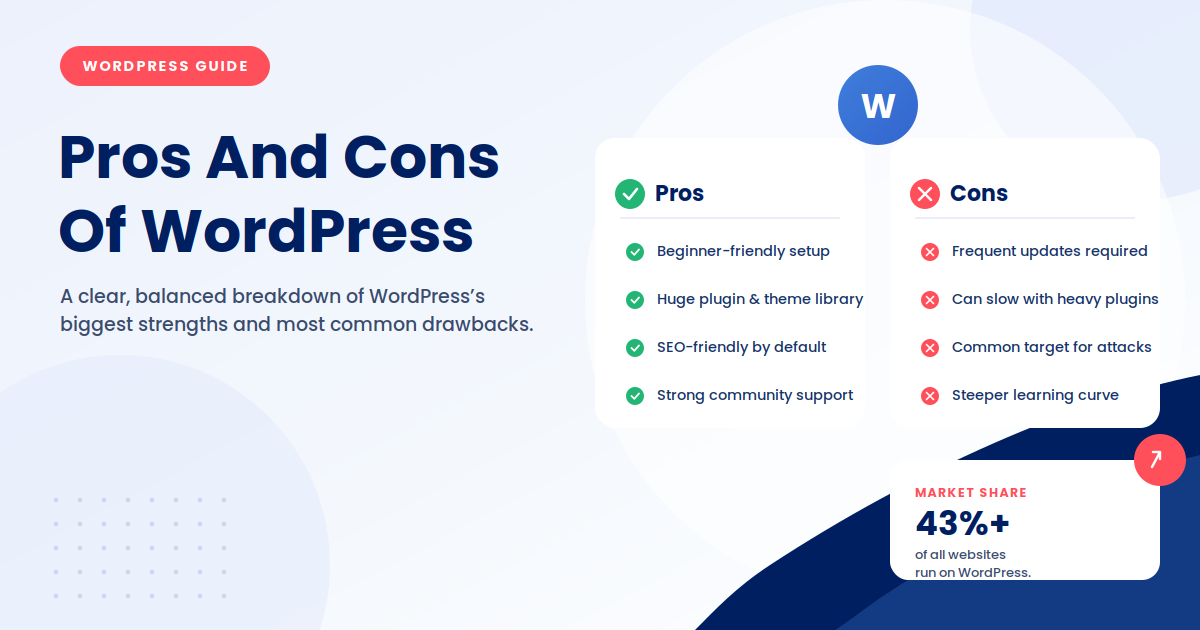
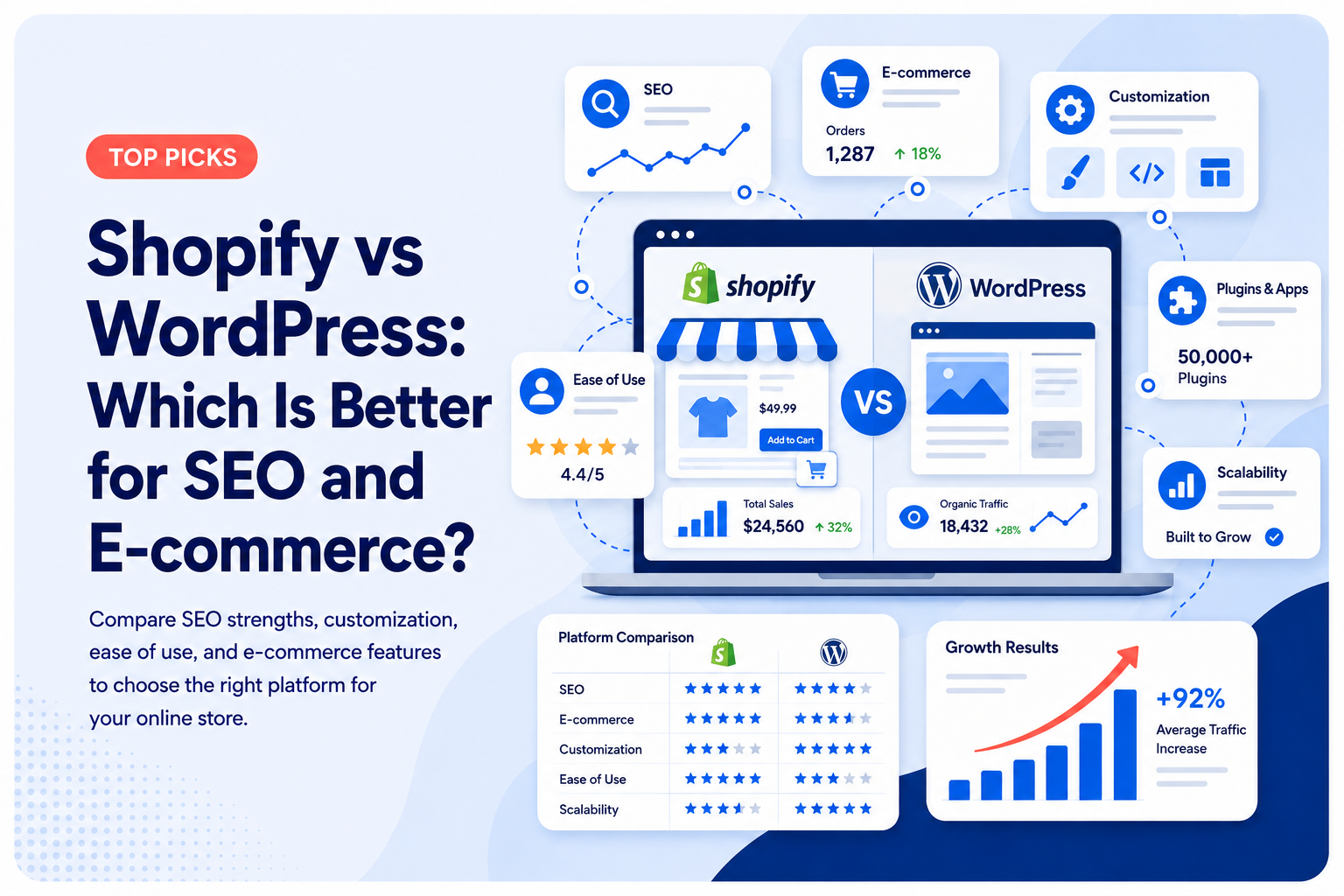
Best overall flexibility: WordPress
- Best for: content-driven sites that want maximum control and a huge ecosystem.
- Why it wins: strong SEO tooling options, flexible content structures, and mature workflows.
- Watch out for: plugin bloat, performance drift, security upkeep, and hosting quality variance.
Best design-first marketing site: Webflow
- Best for: marketing teams that care about design, clean builds, and speed to launch.
- Why it wins: clean code output and solid built-in SEO controls without heavy plugin stacks.
- Watch out for: smaller ecosystem than WordPress and potential friction at very large content scale.
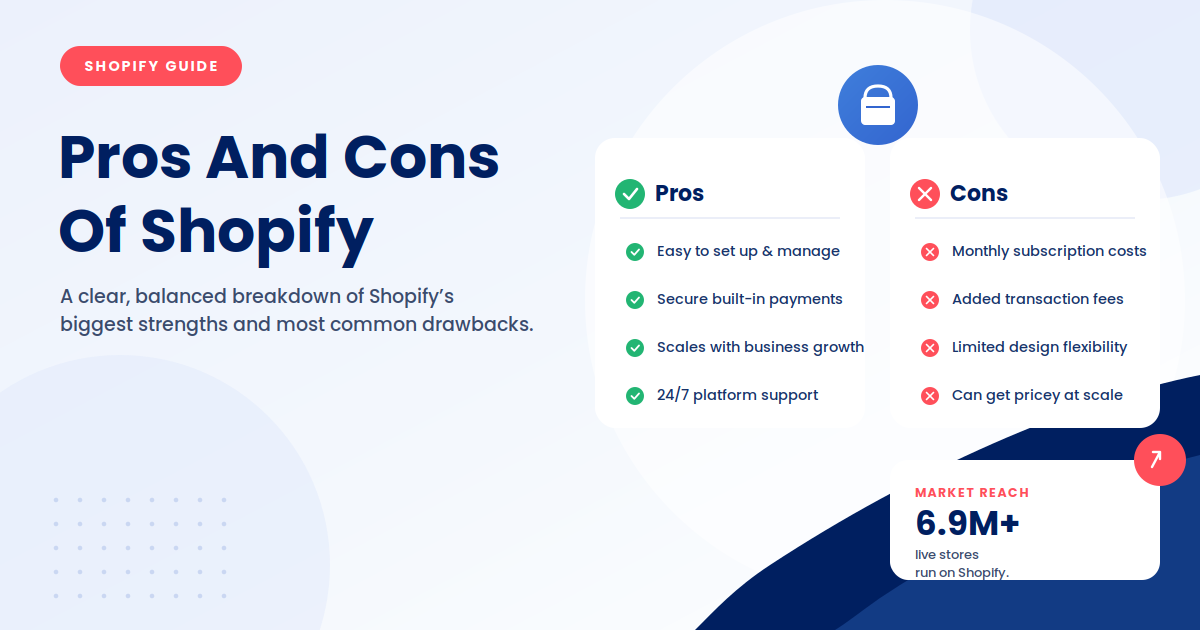
Best ecommerce: Shopify
- Best for: ecommerce brands that need a stable store foundation fast.
- Why it wins: strong commerce stack, reliable hosting/CDN, and a large app ecosystem.
- Watch out for: URL structure constraints and editorial content that can feel limited as you scale.
Best enterprise DXP: Optimizely
- Best for: enterprise teams that need governance, experimentation, and structured workflows.
- Why it wins: strong enterprise features, testing and personalisation support, and composable options.
- Watch out for: higher cost and technical demands during setup and ongoing maintenance.
Best enterprise dev-led: Drupal
- Best for: large and complex sites with strong engineering support.
- Why it wins: deep technical control, flexible structures, and a mature approach to enterprise needs.
- Watch out for: dev-heavy workflows that can slow content teams if implementation is not done well.
Best headless for multi-channel: Hygraph (plus Storyblok and Prismic alternatives)
- Best for: teams shipping content across multiple channels, markets, or products.
- Why it wins: structured content modelling and API-first delivery that supports composable stacks.
- Watch out for: headless does not save you from SEO mistakes. Front-end execution and content governance decide outcomes.
Best beginner builder: Wix
- Best for: small teams that want guided setup and fast publishing without technical overhead.
- Why it wins: SEO basics are easier to configure, and the platform has improved significantly.
- Watch out for: advanced technical control and scalability limits that matter once your site becomes more complex.
Going into each CMS in Detail
The format we will use for every CMS
- Best for: the site type and team setup that tends to fit the platform well
- SEO strengths: what the CMS makes easy and reliable
- SEO limits: what tends to break, constrain, or create workarounds
- Setup tip: one practical action that prevents common SEO issues early
What the data shows (and how to use it properly)
You will see studies and platform tests referenced across the industry. They tend to show two patterns.
- Adoption and ecosystem matters: platforms like WordPress appear often in ranking datasets. However, that is not proof the CMS causes rankings. It usually reflects market share, maturity, and how many teams know how to run it well.
- Defaults influence outcomes: performance testing across CMS platforms often finds meaningful differences out of the box. However, hosting, templates, apps, plugins, and developer execution can flip the results.
So, use the data as a directional signal. Then confirm the choice against what you need to ship: indexing control, redirects, canonicals, speed, and a workflow your team can maintain.
How to read the next section
If you already know your site type, start with the winners box you saw earlier. Then read the corresponding CMS entry below. After that, use the non-negotiable checklist later in this guide to validate your shortlist. This sequence is faster and reduces the chance you pick a platform that looks good on paper but fails in execution.
WordPress
Best for
- Content-heavy sites that need flexibility and want a large ecosystem of themes, plugins, and integrations.
- Teams that want control over SEO details without custom development for every change.
SEO strengths
- Strong control through plugins and configuration. You can manage titles, meta descriptions, schema, sitemaps, and redirects with mature tooling.
- Scales well for editorial workflows. Categories, tags, custom post types, and templating can support large content libraries when implemented cleanly.
- Wide talent pool. It is easier to find people who can build, maintain, and troubleshoot WordPress SEO setups.
SEO limits
- Plugin bloat is the most common failure mode. As sites grow, teams stack plugins for every feature. Then performance and stability suffer.
- Performance depends on discipline. Themes, page builders, script-heavy plugins, and poor hosting can drag Core Web Vitals quickly.
- Security and maintenance are ongoing. Updates, compatibility issues, and vulnerabilities become part of the operating model, especially on complex installs.
- Hosting variance changes outcomes. Two WordPress sites can behave very differently depending on caching, CDN setup, PHP version, and server tuning.
Setup tip
Start with a lean theme, limit plugins to what you will keep long term, and standardise SEO defaults early. For example, enforce title and meta templates by page type, set canonical rules, and define redirect ownership before content scale creates chaos.
Data context
WordPress often shows up strongly in ranking and CMS usage datasets, which mainly reflects adoption and ecosystem maturity. It also tends to score well in comparisons when paired with a strong SEO plugin such as Yoast, because it supports consistent metadata templating and structured SEO workflows. However, those benefits only hold if you keep the site clean and fast.
Webflow
Best for
- Design-first marketing sites where speed, clean front-end output, and publishing agility matter.
- Teams that want strong built-in SEO controls without managing a large plugin stack.
SEO strengths
- Clean code output. Webflow sites often ship with leaner front-end structure than many page builder setups. That can help with performance and crawl efficiency.
- Solid built-in controls. You can manage common SEO fundamentals like meta titles, meta descriptions, canonicals, redirects, sitemaps, and robots settings without heavy custom work.
- Hosting and CDN are handled. This reduces the number of moving parts that typically cause performance and stability issues.
SEO limits
- Smaller ecosystem than WordPress. If you need a very specific integration or workflow, you may need custom development or external tooling.
- Scaling content can get tricky. It can handle CMS collections well, but very large libraries or complex publishing operations may hit workflow or structure limits.
- Ecommerce depth is not Shopify. For ecommerce-first brands, Webflow ecommerce can be limiting compared to a dedicated commerce platform.
Setup tip
Lock your SEO patterns at the template level. Use consistent title and meta rules per page type, enforce clean slugs, and set a redirect process before major site iterations. This prevents the common issue where redesigns accidentally create duplicate pages or broken internal linking.
Data context
Webflow appears more often in modern tech and CMS detection datasets than it did a few years ago. That trend usually reflects adoption by marketing teams who value speed and design control. Still, the CMS itself is not the ranking lever. The advantage is that Webflow often makes it easier to keep pages clean and technically consistent.
Shopify
Best for
- Ecommerce-first brands that need a stable store platform with strong hosting, payments, and operations built in.
- Teams that want to focus on merchandising and growth, without managing servers or complex deployments.
SEO strengths
- Strong ecommerce foundation. Product, collection, and variant pages are structured for commerce workflows, which helps consistency at scale.
- Hosting and CDN are handled. This reduces technical overhead and usually keeps performance more predictable than self-managed stacks.
- Large app ecosystem. You can add functionality for reviews, merchandising, internal linking, and other SEO-adjacent needs without building everything from scratch.
- Core SEO basics are covered. Sitemaps, robots handling, and page-level metadata controls are available, although how far you can push them depends on theme and setup.
SEO limits
- URL structure constraints. Shopify’s default URL patterns are not fully customisable, and that can be frustrating if you want complete control.
- Editorial content can feel secondary. Blogs and long-form content work, but once content becomes a major acquisition channel, many teams want a more flexible CMS layer.
- Duplicate and variant complexity. Product variants, filtering, and collections can create duplication risks if canonical rules and indexing decisions are not managed carefully.
Setup tip
Decide early whether Shopify will also be your long-term content platform. If SEO content is central to your growth plan, plan the content architecture upfront, including how collections, filters, and blog content will interlink. This reduces duplication issues and avoids a painful restructure later.
Data context
Shopify frequently shows up in ecommerce-heavy ranking datasets. That is mostly because it is widely used and operationally reliable. The SEO differentiator is not the platform name. It is whether you manage indexation, canonicals, and internal linking well as your catalog and content footprint expands.
Drupal
Best for
- Large organisations with complex sites, multiple stakeholders, and a need for strong governance.
- Teams with engineering support who want deep control over content structures, templates, and technical behaviour.
SEO strengths
- Deep technical control. Drupal can be configured to match complex information architectures and advanced technical SEO requirements.
- Enterprise-friendly foundations. It is often chosen for security, stability, and role-based governance, which matters when many people publish content.
- Extensible with modules. SEO capabilities can be expanded through modules and custom development, rather than relying on a large plugin stack.
SEO limits
- Dev-heavy by default. Drupal’s flexibility usually requires implementation work. Without it, content teams can feel blocked.
- SEO outcomes depend on the build quality. If templates, fields, and URL rules are not designed properly, you can still end up with duplicate pages, thin templates, and messy internal linking.
- Higher operational overhead than simpler platforms. Updates, governance, and development cycles can slow iteration compared to lighter systems.
Setup tip
Build SEO into the content model, not as an afterthought. Define SEO fields as required where appropriate, standardise title and meta rules per content type, and implement a clear redirect process. Then test how editors will publish and update pages before you scale content.
Data context
Drupal is often present in enterprise and government ecosystems, where site scale and governance are priorities. It can be very strong for SEO when implemented well. However, it rarely wins on simplicity, so it is usually a fit decision, not a default choice.
Joomla
Best for
- Teams that want an open-source CMS with more structure than typical beginner builders, but less complexity than Drupal.
- Sites that need flexibility and control, without the same level of plugin dependence common in WordPress builds.
SEO strengths
- Solid middle-ground capability. Joomla can support clean information architecture, reasonable template control, and technical SEO needs with the right setup.
- Can be fast and stable. When kept lean, Joomla sites can perform well, especially when paired with good hosting and caching.
- Extension-based flexibility. You can add SEO and site management features through extensions, and avoid stacking dozens of add-ons if you plan carefully.
SEO limits
- Smaller ecosystem and mindshare. There are fewer modern SEO playbooks, fewer specialists, and a narrower extension market compared to WordPress.
- Extension quality varies. Some extensions are excellent. Others introduce performance or maintenance issues, so selection matters.
- Not a default choice for most teams. Many agencies and internal teams are more fluent in WordPress, Shopify, or modern headless stacks, which affects long-term support.
Setup tip
Keep the build lean. Choose a small set of trusted extensions, standardise URL and metadata patterns early, and invest in caching and image optimisation from day one. Joomla tends to perform best when you treat it like a structured CMS, not a platform for endless add-ons.
Data context
Joomla is less dominant in modern market-share and ranking discussions than WordPress, but it still powers many long-running sites. If you have a team that knows Joomla well, it can be a practical choice. If you do not, the bigger risk is maintainability, not SEO capability.
Wix
Best for
- Small businesses and lean teams that want a simple build process with guided SEO setup.
- Sites where speed to publish matters more than deep technical customisation.
SEO strengths
- Guided SEO workflow. Wix pushes users to complete basics like titles, descriptions, and indexability settings, which helps reduce common beginner mistakes.
- Core controls are accessible. Many key settings are available without code, which makes day-to-day SEO upkeep easier for non-technical teams.
- Meaningful improvements over time. Wix is no longer the platform it was years ago. In many comparisons, it holds up better than people expect for standard SEO requirements.
SEO limits
- Advanced scalability constraints. As your site grows, you may feel limits around templating depth, automation, and certain technical edge cases.
- Deeper technical SEO can be harder. Some custom requirements may need workarounds, and you have less low-level control than dev-first stacks.
- Complex sites can outgrow it. Multi-region setups, highly programmatic content, or heavy integrations may push you toward other platforms.
Setup tip
Lock in your URL structure and content architecture early. Once you publish at scale, changing slugs and folders can create redirect work and internal linking cleanup. Also, keep templates consistent so metadata does not drift as multiple people update the site.
Data context
In platform comparison discussions, Wix often performs better than older SEO narratives suggest. Still, the main decision point is not whether Wix can rank. It is whether Wix will still fit when your SEO program becomes more complex and your site grows beyond basic templates.
Squarespace
Best for
- Small sites that prioritise design and simplicity, such as portfolios, brochure sites, and lightweight service websites.
- Teams that want a hosted platform with minimal maintenance and predictable publishing workflows.
SEO strengths
- Covers the basics reliably. You can manage page titles, meta descriptions, and standard on-page settings without much complexity.
- Hosted setup reduces technical overhead. SSL and core infrastructure are handled, which lowers the risk of basic technical misconfigurations.
- Mobile-friendly templates. Many templates are responsive, which supports mobile usability and page experience expectations.
- XML sitemap support. Squarespace generates a sitemap, which helps discovery and crawling for standard site structures.
SEO limits
- Advanced technical control can be constrained. If you need granular control over indexation rules, canonical logic, or complex template behaviour, you may hit limits.
- Workarounds appear as you scale. Larger content libraries, more complex site architectures, and integration-heavy setups can become harder to manage cleanly.
- Less suited for technical SEO edge cases. If your SEO strategy relies on programmatic pages, deep schema customisation, or complex internal linking systems, you may want a more flexible platform.
Setup tip
Keep the site structure simple and intentional. Use clear navigation, consistent page templates, and clean slugs from the start. If you later need major restructuring, plan redirects and internal linking updates before you publish changes.
Data context
Squarespace can rank well for many small business scenarios because it handles the essentials and removes infrastructure complexity. However, as SEO requirements become more advanced, the limitation is usually control and scalability, not whether the platform is “SEO friendly” in a basic sense.
Magento (Adobe Commerce)
Best for
- Mid to large ecommerce sites that need deep catalog control, custom merchandising, and flexible technical implementation.
- Teams with developer support who want fine-grained control over ecommerce SEO at scale.
SEO strengths
- Built-in SEO settings for ecommerce fundamentals. Adobe Commerce includes SEO-focused configuration, including search engine robot instructions and related settings. :contentReference[oaicite:0]{index=0}
- Robots.txt handling is supported. On Adobe Commerce, robots directives can be generated and managed through configuration, with robots content served dynamically in some setups. :contentReference[oaicite:1]{index=1}
- XML sitemap generation is supported. Sitemaps can be generated via the Admin panel, including specific considerations for cloud infrastructure paths. :contentReference[oaicite:2]{index=2}
- URL rewrites exist for key entities. Magento supports URL rewrites for product, category, and CMS page URLs, which helps with restructuring and cleanup. :contentReference[oaicite:3]{index=3}
SEO limits
- Complexity is the main constraint. Magento is powerful, but it is rarely “simple.” The SEO outcome depends heavily on implementation quality, templates, and ongoing maintenance.
- Catalog scale creates duplication risk. Variants, layered navigation, and parameter combinations can create crawl and canonical challenges unless rules are designed up front.
- Cloud specifics matter. On Adobe Commerce cloud infrastructure, file write restrictions can affect where sitemaps are generated and stored, so setup needs attention. :contentReference[oaicite:4]{index=4}
Setup tip
Define your indexation rules before you scale. Set a clear approach for faceted navigation and parameter pages, then confirm canonical behaviour and sitemap inclusion rules match that approach. This prevents crawl waste and duplicate indexing later.
Adobe Experience Manager (AEM)
Best for
- Enterprise websites with complex governance, many stakeholders, and strong requirements around workflows and content operations.
- Organisations already operating within Adobe’s ecosystem and willing to invest in proper implementation.
SEO strengths
- Enterprise-grade URL and SEO planning guidance. Adobe provides documented SEO and URL management best practices for AEM implementations, especially for AEM as a Cloud Service. :contentReference[oaicite:5]{index=5}
- Sitemap support exists, but implementation matters. Adobe provides guidance and learning resources for generating sitemaps for AEM Sites, including best practice notes such as using absolute URLs. :contentReference[oaicite:6]{index=6}
- Strong governance potential. AEM projects commonly include structured templates, components, roles, and publishing controls. This can reduce inconsistent page creation when done well. :contentReference[oaicite:7]{index=7}
SEO limits
- SEO is not “automatic.” AEM can support SEO, but many requirements must be designed and implemented as part of the build.
- Canonical and hreflang often require planning and automation work. Implementation approaches are commonly discussed by practitioners, which is a signal that teams should treat this as an engineering requirement, not an afterthought. :contentReference[oaicite:8]{index=8}
- High cost and technical demands. AEM is an enterprise platform. The biggest risk is under-investing in implementation and then inheriting complexity without the benefits.
Setup tip
Build an SEO requirements document before development starts. Include URL patterns, canonical logic, hreflang strategy, sitemap rules, redirect ownership, and component-level rules that prevent thin or duplicate pages. Then validate these in a staging environment with real content.
OpenCart
Best for
- Smaller ecommerce stores that want a lightweight platform and are comfortable using extensions to expand SEO capability.
- Teams that want a simpler ecommerce setup than enterprise platforms, with manageable ongoing costs.
SEO strengths
- Extension-driven SEO improvements. OpenCart SEO capability is often expanded through extensions that support search-engine-friendly URLs, sitemap generation, robots.txt generation, and structured data features (depending on the extension). :contentReference[oaicite:9]{index=9}
- Canonical management is available via extensions. Canonical link extensions exist to help reduce duplication, including for multi-store scenarios. :contentReference[oaicite:10]{index=10}
- Practical for lean ecommerce builds. When kept clean, OpenCart can be straightforward to operate for smaller catalogs, especially if you standardise templates and metadata early.
SEO limits
- Quality depends on extensions. Because many SEO features come through add-ons, outcomes vary based on extension quality and how many you stack. :contentReference[oaicite:11]{index=11}
- Less “out of the box” standardisation. Compared to platforms with more native SEO tooling, OpenCart teams often need to invest earlier in extensions and configuration for consistent SEO hygiene.
- Scaling adds complexity. As catalogs grow and filters expand, duplication and internal linking can become harder to manage unless you plan structure and canonicals carefully.
Setup tip
Pick your SEO extensions early and keep the stack small. Then standardise SEO fields and rules across product, category, and content pages. Confirm you have a reliable sitemap and canonical approach before you scale your catalog.
HubSpot CMS / Content Hub
Best for
- Marketing teams already using HubSpot for CRM, email, automation, and reporting.
- Organisations that want content publishing tightly connected to lead capture, attribution, and lifecycle tracking.
SEO strengths
- Strong ecosystem fit. When your forms, CRM, email journeys, and analytics live in HubSpot, the CMS layer can reduce tool sprawl and tracking gaps.
- Built-in guidance. HubSpot provides SEO suggestions and structured publishing workflows that help teams maintain baseline on-page hygiene.
- Template-driven consistency. If you standardise modules and templates, it becomes easier to keep metadata patterns, internal linking blocks, and page structures consistent.
SEO limits
- Best value appears when you commit to the suite. If you are not using HubSpot’s broader platform, the CMS can feel expensive or restrictive versus more flexible alternatives.
- Advanced technical needs may require custom work. Complex SEO requirements, deep schema customisation, or highly specific rendering behaviour can require developer support.
- Platform lock-in is a consideration. Migrating away later can be more involved if many assets and workflows are tightly coupled to HubSpot.
Setup tip
Define a small set of approved templates and modules, then bake SEO defaults into them. For example, standardise title formats by page type, set consistent canonical rules, and create a repeatable internal linking module. This prevents “one-off” pages from slowly eroding site-wide consistency.
Data context
HubSpot is not typically chosen because of SEO alone. It is chosen because marketing operations, reporting, and content publishing sit in one environment. If that integration reduces friction for your team, SEO execution often becomes more consistent as a result.
Optimizely
Best for
- Enterprise websites that need strong governance, multiple stakeholders, and controlled publishing at scale.
- Teams where experimentation, personalisation, and structured workflows are part of the operating model.
SEO strengths
- Enterprise governance and workflow control. Optimizely is built for large teams, which helps reduce inconsistent publishing that causes SEO drift.
- Experimentation capabilities. If testing is central to how you improve conversion and UX, Optimizely’s experimentation tooling can be a practical advantage.
- Composable approach. Optimizely supports composable architectures, which can pair well with modern front-end stacks when implemented cleanly.
- AI-driven insights (as positioned by the platform). This can support content and optimisation workflows, depending on your setup and maturity.
SEO limits
- Higher cost. Licensing and implementation costs are typically not a fit for small teams or simple sites.
- Technical demands. You usually need experienced developers and a clear governance model to get the most value without creating complexity.
- Testing can create SEO risks if unmanaged. Variants, personalisation, and experimentation need guardrails to avoid indexation issues and duplication.
Setup tip
Define SEO guardrails before you launch experiments. Set rules for canonicals, index and noindex behaviour, and URL handling across variants. Also ensure your testing approach does not create crawlable duplicate pages. This is where enterprise sites often lose control quietly.
Data context
Optimizely is rarely picked because it is “more SEO friendly” in a simple checklist sense. It is picked because large organisations need governance, scale, and experimentation. If those capabilities reduce publishing chaos and help teams iterate safely, SEO execution tends to improve as a side effect.
Headless options: Hygraph, Storyblok, Prismic
Headless CMS platforms work differently from traditional CMS tools. They store and manage content, then deliver it via an API. Your website front end is built separately, often using a framework like Next.js.
This is important for SEO. A headless CMS can give you more flexibility and performance potential. However, it also increases the number of things you can get wrong. So, the CMS is only half the system. The front-end build quality decides whether pages are crawlable, fast, and consistent.
Hygraph
Best for: multi-channel content delivery, structured content programs, and teams that want strong content modelling discipline.
SEO strengths: Hygraph is GraphQL-native and works well when you need consistent content structures across many page types and channels. It also supports building strong SEO field models, so editors can manage essentials like titles, descriptions, canonicals, and schema inputs in a controlled way.
SEO limits: You need clear content modelling and governance. Otherwise, teams ship inconsistent fields, missing metadata, or duplicate page patterns. Also, the front-end team must implement rendering, sitemaps, and canonical rules correctly.
Setup tip: Create a required SEO field group for every content type. Then enforce validation rules, such as required title patterns, canonical logic, and schema fields where needed.
Storyblok
Best for: teams that want headless flexibility but still want a visual editor that feels friendly for marketers.
SEO strengths: The visual editor can reduce friction for content teams. It also supports SEO-focused tooling through apps and component-based page building, which can make internal linking blocks and structured layouts easier to standardise.
SEO limits: If you need maximum developer flexibility or highly custom publishing workflows, you may hit constraints. Also, component freedom can lead to thin or inconsistent pages if you do not set guardrails.
Setup tip: Treat components as governed building blocks. Define which components are allowed on key page types, and enforce minimum content rules so teams do not publish low-value pages at scale.
Prismic
Best for: marketing sites that want a headless setup that still feels close to a page builder through reusable slices and sections.
SEO strengths: Prismic’s slice approach works well for landing pages and editorial layouts. It can be efficient for teams that ship many campaigns and need consistent page structures.
SEO limits: It can be technical, especially when you need deep customisation or complex integrations. It may also be a weaker fit for commerce-heavy setups unless you pair it with a dedicated ecommerce platform.
Setup tip: Centralise SEO logic in the front end. For example, generate canonicals, metadata patterns, and schema from a shared page template, so every slice-based page inherits consistent rules.
Next, we will cover why frameworks like Next.js show up in CMS detection datasets and how to think about “framework as CMS” from an SEO perspective.
“Framework as CMS”: Next.js
You will sometimes see frameworks like Next.js show up in “best CMS” discussions or CMS usage datasets. That can look confusing at first, because Next.js is not a traditional CMS.
However, in many modern setups, the CMS is headless and the website is built on a framework. From the outside, detection tools often identify the front-end technology more reliably than the content backend. So Next.js appears in the data, even when a CMS like Hygraph, Storyblok, or Prismic is doing the content work behind the scenes.
Best for
- Teams building performance-first sites with a headless CMS behind it.
- Sites that need flexible rendering options, such as static generation for speed and server rendering for dynamic pages.
SEO strengths
- High control over rendering. You can choose server-side rendering, static generation, or a hybrid approach depending on the page type.
- Performance potential. With good engineering, you can ship fast pages with clean code and modern image handling.
- Flexibility for SEO systems. Sitemaps, internal linking rules, schema injection, and canonical logic can be engineered centrally instead of managed page by page.
SEO limits
- Implementation quality decides everything. If routing, canonicals, pagination, or parameter handling are done poorly, you can create duplicate pages and crawl waste quickly.
- SEO is not “turned on.” Many SEO basics must be built, including sitemap generation, redirect handling, and metadata rules across templates.
- Higher reliance on engineering. Content teams need developers to create and maintain the system that keeps SEO consistent.
Setup tip
Build a shared SEO layer into your front end. That means one place that defines canonical rules, index and noindex behaviour, structured data patterns, sitemap logic, and redirect handling. Then every page type inherits those rules by default, instead of relying on one-off fixes.
Next, we will step back and explain why your CMS choice affects SEO outcomes, even though Google does not “prefer” one platform over another.
Why your CMS matters for SEO
Google does not rank WordPress, Webflow, or Shopify because of the platform name. However, your CMS still influences SEO outcomes because it affects execution. In practice, SEO succeeds when a site stays crawlable, consistent, and fast as it grows.
That is where CMS choice becomes a real lever. It changes how easy it is to do the right thing repeatedly, and how hard it is to fix mistakes when they appear.
1) Crawlability and internal linking
Search engines rely on clear navigation and internal links to discover and understand pages. Your CMS influences how you build menus, categories, collections, and related-content modules. Some platforms make this clean and repeatable. Others require manual linking or custom development.
- If internal linking is hard to maintain, important pages get buried.
- If navigation is inconsistent, crawlers waste time and users lose trust.
2) Indexing control and duplicate management
Most SEO issues are not about missing keywords. They are about indexation control. This includes canonicals, noindex rules, faceted navigation, parameter pages, and duplicate versions of the same content.
- If your CMS makes canonicals difficult, duplication grows quietly.
- If your CMS does not support clean noindex rules, low-value pages can flood the index.
- If redirects are hard to manage, migrations and restructures create long-term losses.
3) Performance and page experience
Performance is partly a hosting question, but the CMS influences the baseline. Themes, templates, scripts, apps, and image handling often come from the CMS layer. Once performance slips, it rarely fixes itself.
- Plugin and app stacks can create heavy scripts and layout shifts.
- Poor image handling inflates page weight across the entire site.
- Template sprawl makes it hard to enforce consistent performance standards.
4) Workflow, governance, and consistency at scale
SEO is not a one-time project. It is a system that must stay consistent across hundreds or thousands of pages. Your CMS determines how well you can enforce patterns.
- Do templates enforce title rules and heading structure, or is everything manual?
- Can editors publish without accidentally creating thin, duplicate, or broken pages?
- Are approvals and roles strong enough to prevent accidental damage?
A simple way to think about it
If your CMS reduces friction for technical basics, you ship fewer SEO errors and fix issues faster. If it increases friction, SEO becomes reactive. Over time, the gap becomes visible in crawl efficiency, index quality, and the speed at which you can publish and improve content.
Next, we will cover the non-negotiable SEO capabilities checklist. Use it to validate any CMS shortlist before you commit.
SEO capabilities checklist
If you only read one section before choosing a CMS, make it this one. Most CMS platforms can “do SEO,” but the question is whether they can do it cleanly and at scale.
Use this checklist to validate any shortlist. If a platform fails the must-haves for your situation, you will end up with workarounds. Over time, those workarounds become technical debt.
Must-have capabilities (do not compromise on these)
- Page-level title and meta description control with sensible defaults and templating by page type.
- Clean URL control including editable slugs and predictable folder structures where possible.
- Canonical management either per page or through reliable template logic.
- Index and noindex control per page or per template type, not only site-wide.
- 301 redirect management that is easy to own during restructures and migrations.
- XML sitemap generation plus the ability to exclude low-value sections if needed.
- Robots.txt handling or a safe and controllable alternative.
- Mobile-ready templates that are responsive and do not break content layouts on small screens.
Strongly preferred capabilities (these prevent common scaling issues)
- Structured data workflow so schema can be implemented consistently across page types.
- Image optimisation controls such as compression, modern formats, lazy loading, and predictable alt text management.
- Performance controls like script loading management, caching options, and CDN support.
- Template governance so teams cannot create new page structures that ignore SEO rules.
- Internal linking support such as reusable modules for related articles, product recommendations, and category navigation.
Depends on your site type (decide based on growth plans)
- Multilingual and localisation support including URL structures and hreflang handling.
- Programmatic page creation if your SEO plan relies on large-scale landing pages or inventories.
- Faceted navigation controls for ecommerce and large catalog sites, including indexation rules for filters.
- Multi-site and multi-brand management if you operate across regions or business units.
- Workflow permissions and approvals for teams with many editors, agencies, and stakeholders.
How to apply this checklist quickly
- Step 1: pick two or three CMS options that fit your site type.
- Step 2: confirm each can handle the must-haves without hacks.
- Step 3: check the “strongly preferred” items based on your growth plans.
- Step 4: if you are considering headless, validate the front-end build plan, not only the CMS features.
Next, we will explain CMS categories so it becomes easier to compare platforms that solve different problems.
CMS categories explained
Most CMS debates happen because people compare platforms that are built for different jobs. Once you group them into categories, the tradeoffs become easier to spot. Then your shortlist usually gets smaller fast.
Open-source CMS (WordPress, Drupal, Joomla)
What it is: You can self-host, customise deeply, and extend functionality through plugins, modules, or extensions.
Why teams choose it: control, flexibility, and a large ecosystem. This is often the best path when you need specific SEO behaviour or custom content structures.
Main tradeoff: you own maintenance. That includes security, updates, performance tuning, and technical debt. The more you extend it, the more discipline you need to keep it stable.
Hosted site builders (Wix, Squarespace)
What it is: a managed platform where hosting, templates, and many technical settings are handled for you.
Why teams choose it: speed to launch and lower technical overhead. For many small sites, the basics are enough to rank and convert.
Main tradeoff: reduced control for advanced technical SEO and scaling. Workarounds are common once you push into complex site structures, heavy integrations, or programmatic content.
Ecommerce platforms (Shopify)
What it is: a commerce-first platform where content exists, but the core design is centred on products, collections, checkout, and operations.
Why teams choose it: reliability and speed for ecommerce growth. Hosting and platform updates are handled, and the ecosystem is mature.
Main tradeoff: you may accept structural constraints. Many ecommerce brands also outgrow the built-in editorial experience and add a separate CMS later.
Enterprise DXP (Optimizely)
What it is: a platform designed for large organisations, often with advanced governance, workflows, personalisation, and experimentation.
Why teams choose it: scale, control, and organisational needs. It can reduce chaos when multiple teams publish and test constantly.
Main tradeoff: cost and complexity. You need strong implementation and clear ownership, otherwise you can end up with a powerful tool that is hard to operate.
Headless CMS (Hygraph, Storyblok, Prismic) plus a front-end framework (often Next.js)
What it is: the CMS is the content backend, and your website is a separate build that consumes content via APIs.
Why teams choose it: multi-channel delivery, flexible content modelling, and modern performance potential. It is also common in composable stacks where different tools handle commerce, search, personalisation, and content.
Main tradeoff: implementation responsibility shifts to your team. SEO is not a setting you flip on. You must engineer rendering, sitemaps, canonical rules, redirects, and internal linking patterns properly.
Final recommendations by scenario
At this point, you should have two inputs. First, the platform tradeoffs. Second, the checklist of what you cannot compromise on. Now we match them to common scenarios so you can make a practical decision.
1) Solo creator or small business service site
- Default pick: WordPress if you want flexibility and plan to publish content consistently.
- Simple and fast: Wix or Squarespace if you want a clean site with low maintenance.
- Design-led option: Webflow if design quality and speed matter and the site is not complex.
Takeaway: If you will publish regularly, prioritise workflow and template consistency. If you will not, prioritise simplicity.
2) Marketing team shipping landing pages and campaigns
- Default pick: Webflow for design control and clean execution.
- Suite-first pick: HubSpot CMS if your reporting, lead capture, and lifecycle tracking already live in HubSpot.
- Enterprise testing pick: Optimizely if experimentation and governance are core requirements.
Takeaway: Choose the platform that lets you publish quickly without breaking metadata rules, internal linking, or performance.
3) Content publisher with hundreds to thousands of pages
- Default pick: WordPress, but only with strict performance and plugin governance.
- Dev-led enterprise option: Drupal when you need deeper control and strong permissions.
- Composable option: Headless CMS plus a framework when you need structured content modelling and performance at scale.
Takeaway: At scale, governance matters more than features. If editors can publish inconsistent pages, your index quality will degrade.
4) Ecommerce brand
- Default pick: Shopify for ecommerce operations and platform reliability.
- Content-led growth option: Shopify plus a CMS layer if long-form content becomes a primary acquisition channel.
- Advanced stack option: Headless commerce and headless CMS if you need multi-market, multi-channel, and deep customisation.
Takeaway: Ecommerce SEO is usually won through clean internal linking, duplication control, and content that supports category and product discovery.
5) Enterprise, multi-brand, or multi-region websites
- Default pick: Optimizely when governance and experimentation are central.
- Dev-led option: Drupal when you need deep technical control with enterprise permissions.
- Multi-channel content option: Hygraph or similar headless CMS when content must flow across multiple channels and products.
Takeaway: Pick the platform that reduces organisational chaos. That is often the biggest SEO advantage at enterprise scale.
6) Product company with web, app, and multiple distribution channels
- Default pick: Headless CMS plus a framework like Next.js.
- If you want marketer-friendly editing: Storyblok is often a strong fit.
- If you need structured, multi-source content modelling: Hygraph is often a strong fit.
- If you want a slice-based approach for marketing pages: Prismic can work well.
Takeaway: Headless wins when you treat SEO as an engineered system. If you cannot resource the build properly, a traditional CMS may be safer.
Final note on comparing CMS
Most CMS platforms can rank. The better question is whether your team can maintain clean indexing, fast pages, and consistent templates over time. If the platform makes those tasks easier, your SEO program becomes more predictable.
Conclusion
There is no single “best CMS for SEO” for every site. Instead, the right choice depends on your site type, your growth plan, and how much control your team needs. Once you pick a platform that fits, focus on the fundamentals. Keep indexing clean, keep templates consistent, and keep performance under control. Those basics drive results far more than the CMS label.
If you want an expert second opinion before committing, First Page Digital’s SEO services can help you evaluate CMS options based on your goals, technical constraints, and content roadmap.