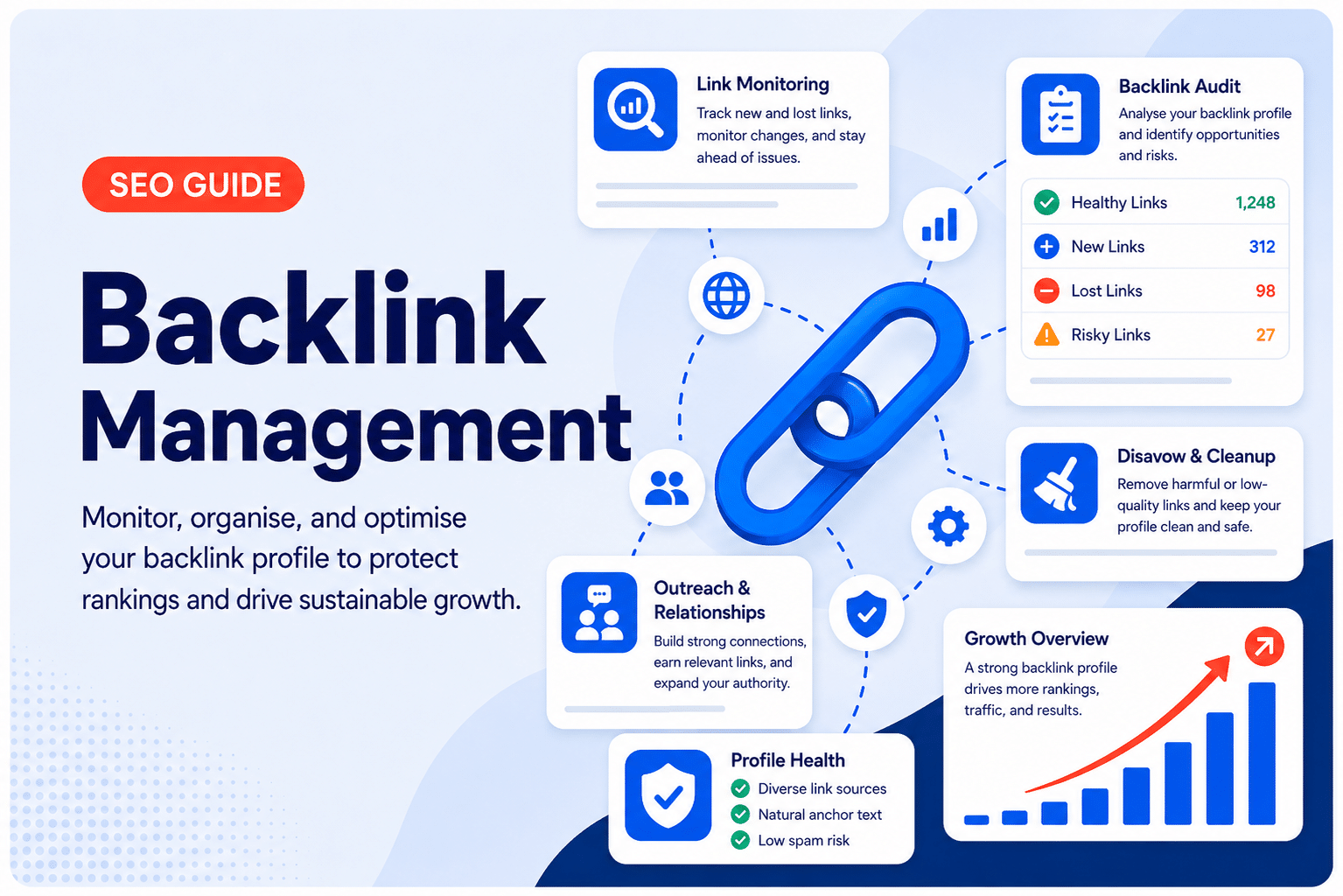
I have worked with businesses that rely heavily on a strong link building agency to scale their SEO, and one thing is always clear.
Backlinks can either push your rankings up or quietly hold you back. Whether you are dealing with outbound links, toxic backlinks, or trying to earn natural backlinks, managing them properly is what separates stable growth from unpredictable performance.
In this guide, I will walk you through how I manage backlinks in real campaigns, from auditing and cleaning to building and monitoring. If you want a practical approach that actually works in competitive niches, this will give you a clear direction on what to do next.
What is backlink management?
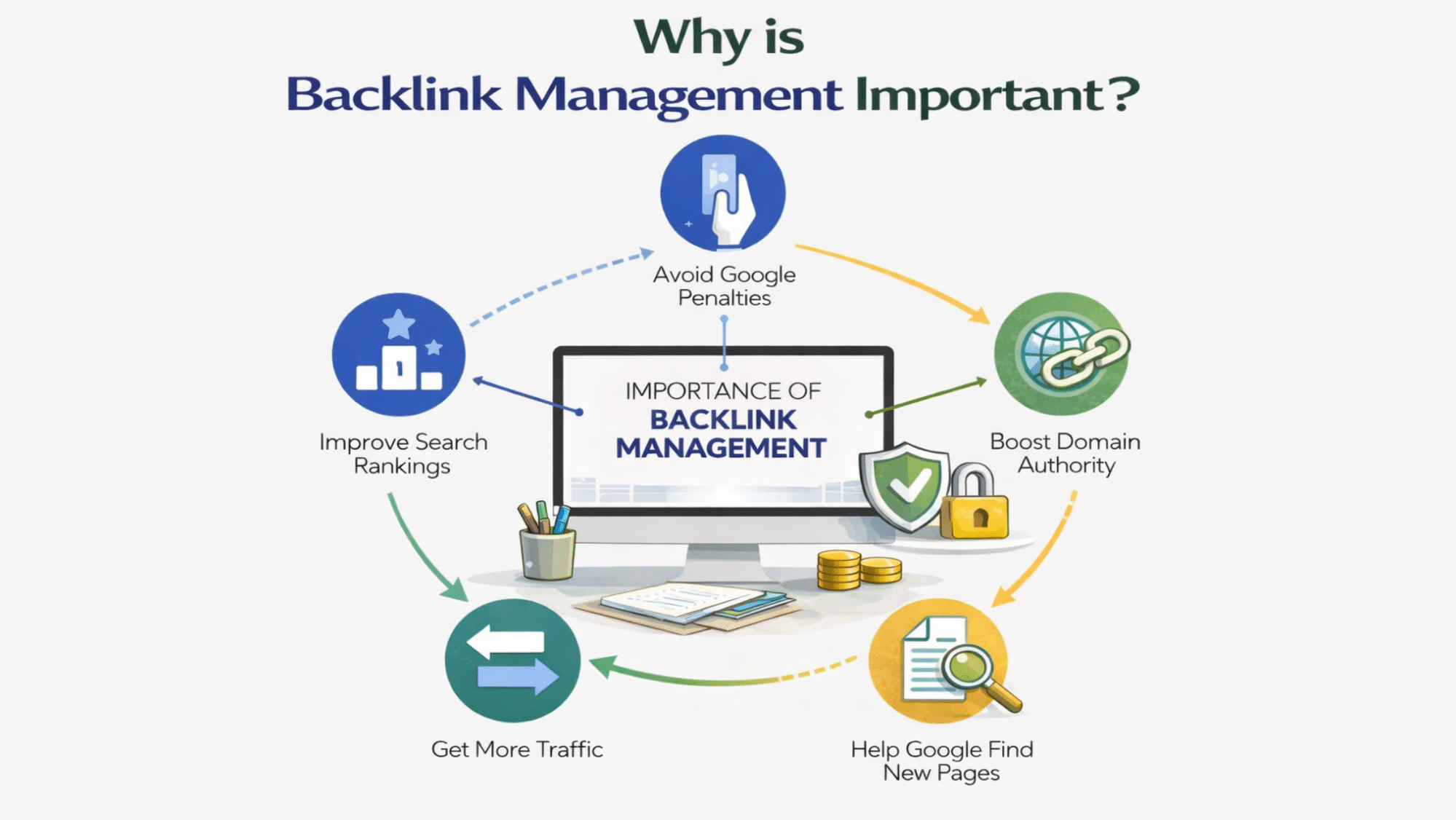
Backlink management is the process of tracking, analysing, and maintaining the links pointing to your website so they support your rankings instead of harming them. From my experience, it is not just about collecting links, it is about making sure every link stays relevant, clean, and aligned with your SEO goals over time.
How backlink management works in real SEO campaigns
In real SEO campaigns, backlink management starts with a full audit of the existing link profile. I usually pull data from multiple tools, cross-check referring domains, and quickly spot patterns like spammy anchors or irrelevant sites. Once I know what I am dealing with, I prioritise which links to keep, which to clean up, and where the gaps are compared to competitors.
After that, it becomes an ongoing process rather than a one-time task. I consistently monitor new and lost links, assess link quality, and build new backlinks that actually move rankings. In practice, this means balancing link acquisition with regular clean-ups, because even a few toxic links can hold back an otherwise strong site.
Why is backlink management important for SEO?
Backlink management is important for SEO because it directly affects how search engines evaluate your site’s trust, relevance, and authority. From what I have seen across multiple campaigns, even strong content can struggle to rank if the backlink profile is messy, unbalanced, or filled with low-quality links.
How backlinks influence rankings and authority
Backlinks act as signals of trust, and search engines use them to decide whether your site deserves visibility. When I build or analyse links, I focus on where they come from, how relevant they are, and how naturally they fit. A single strong backlink from a trusted site in your niche can often outperform dozens of weak ones.
Over time, consistent high-quality links strengthen your domain authority and make it easier to rank new pages. I have worked on sites where once we fixed the backlink profile and added the right links, rankings improved across multiple keywords without changing the content much.
The risks of ignoring your backlink profile
Ignoring your backlink profile can lead to hidden issues that slowly drag your rankings down. I have seen cases where sites lost traffic not because of algorithm updates, but because they accumulated spammy or irrelevant links over time without anyone noticinforg.
If you do not monitor your backlinks, you also miss critical changes like lost links or sudden spikes from low-quality domains. In practice, this means you lose control of your SEO performance, and recovery often takes longer than if you had managed it properly from the start.
How to manage your backlinks effectively
To manage your backlinks effectively, I follow a structured process that covers auditing, evaluation, building, and ongoing monitoring. In real campaigns, this is not something I do once and forget, it is a continuous cycle that keeps the backlink profile clean, relevant, and competitive.
Step 1: Audit your current backlink profile
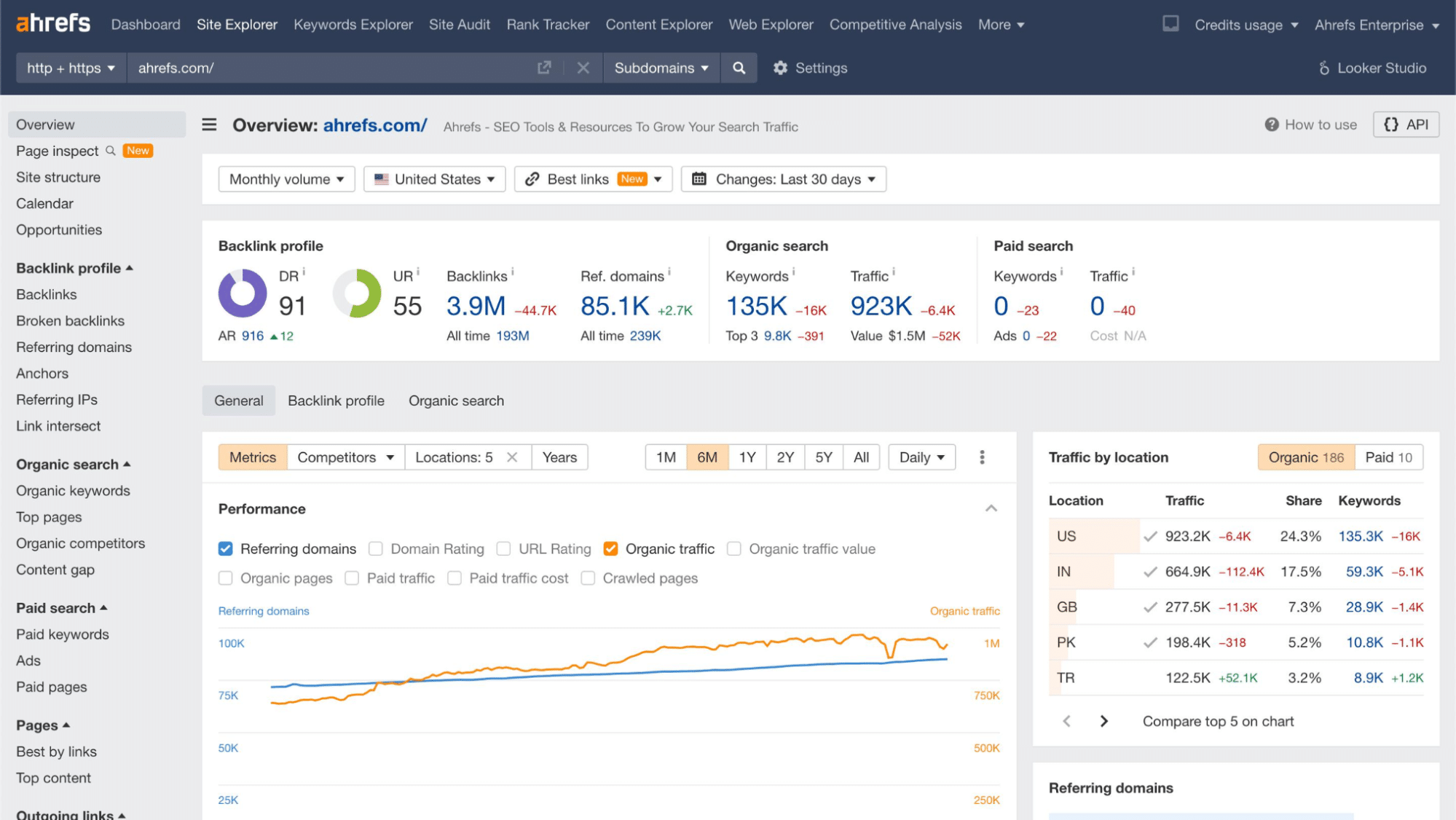
I always start by understanding the current state of the backlink profile before making any decisions. This gives me a clear picture of what is helping, what is risky, and where the gaps are compared to competitors.
How to check how many backlinks a website has
To check how many backlinks a website has, I pull data from multiple backlink checker tools and compare the results to get a more complete view. In practice, I do not rely on a single number, I look at referring domains, link growth trends, and distribution to understand the actual strength of the profile.
How to identify toxic and low-quality links
Toxic and low-quality links usually come from irrelevant sites, spam networks, or pages with no real content value. When I audit links, I scan for patterns like unnatural anchor text, sudden spikes in links, or domains that clearly do not match the site’s niche.
Step 2: Analyse link quality, relevance, and authority
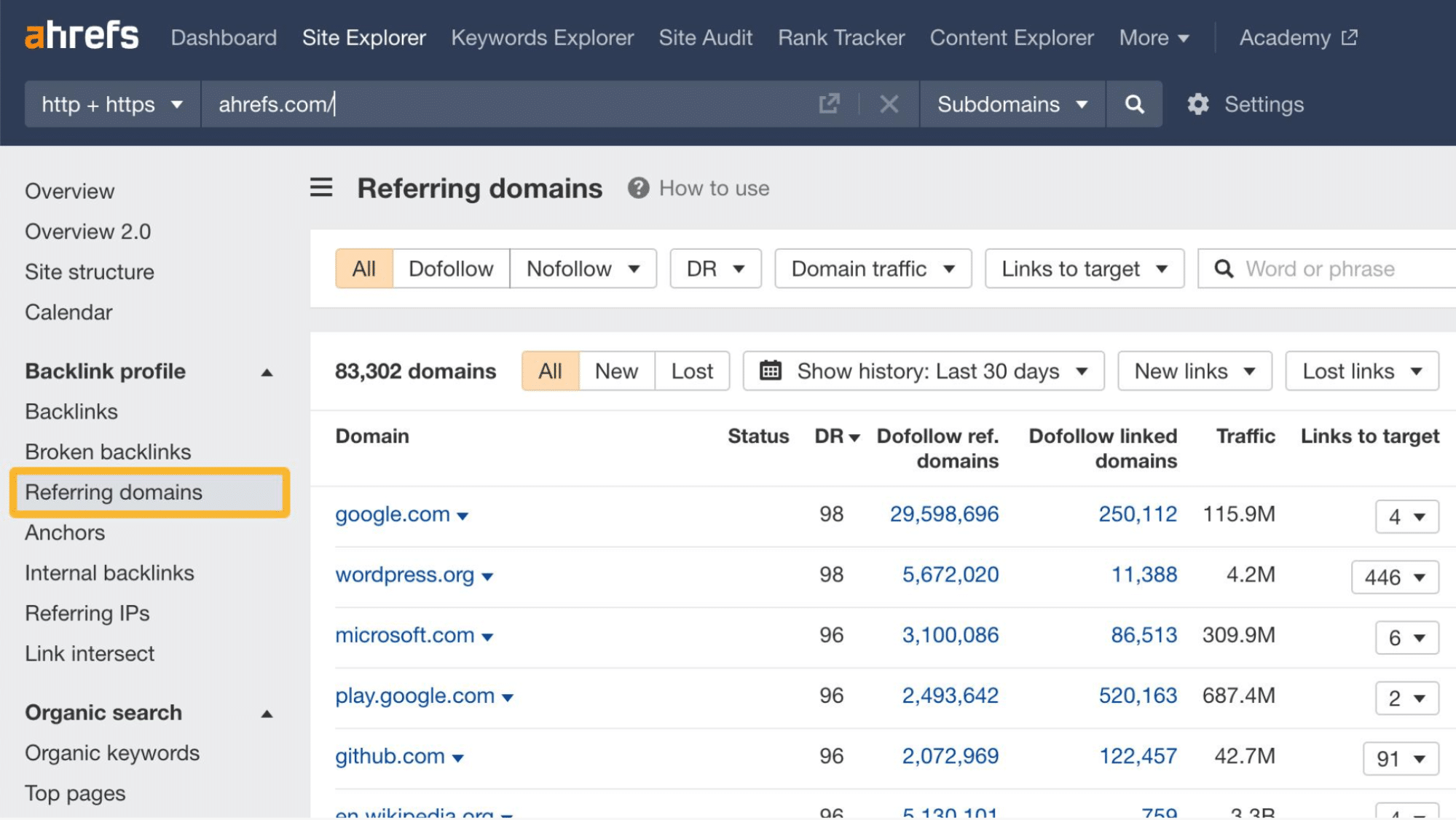
Once the audit is complete, I go deeper to evaluate each link based on its quality and context. Not every backlink is equal, so this step helps me decide which links are worth keeping and which to ignore or clean up.
What makes a backlink high-quality
A high-quality backlink typically comes from a relevant site with strong authority and real traffic. From my experience, links placed naturally within useful content tend to carry more weight than links that look forced or purely transactional.
Spotting spammy or irrelevant domains
Spammy or irrelevant domains are usually easy to spot once you know what to look for. I check whether the site has real content, is related to the niche, and exists mainly to sell links rather than provide value.
Step 3: Build new high-quality backlinks consistently
After cleaning and analysing the profile, the next step is to build new backlinks that actually improve rankings. I approach this with a long-term mindset, focusing on consistency rather than quick wins.
Proven link building methods that actually work
The methods that work best are those that create genuine value, such as outreach, partnerships, and content that earns links naturally. In my campaigns, I prioritise placements on relevant sites where the link makes sense within the context of the content.
How to prioritise quality over quantity
Prioritising quality over quantity means being selective about where you get links from. I would rather secure a few strong, relevant backlinks than chase large volumes of weak ones that do not contribute to authority.
Step 4: Monitor and maintain your backlink profile
Backlink management does not stop after building links, it requires ongoing monitoring to keep everything in check. I treat this as a routine part of SEO rather than a reactive task.
How often you should review your backlinks
I usually review backlinks at least once a month, but for more competitive sites, I check more frequently. Regular reviews help me catch issues early, especially when new links appear or existing ones disappear.
Setting up a sustainable backlink workflow
A sustainable workflow involves setting clear processes for tracking, analysing, and building links over time. I typically combine automated alerts with manual reviews so I can stay updated without having to constantly check everything from scratch.
How many backlinks does my website need to rank?
There is no exact number of backlinks your website needs to rank, as it depends on your niche, competition, and the quality of the links pointing to your site. From what I have seen in real projects, the goal is not to hit a number but to build a stronger, more relevant backlink profile than your competitors’.
Why there is no fixed number of backlinks
There is no fixed number of backlinks because search engines evaluate links based on quality, relevance, and authority rather than volume alone. I have worked on campaigns where a small number of strong links outranked competitors with hundreds of weaker ones.
Every industry behaves differently, so what works for one site may not apply to another. When I analyse competitors, I look at their referring domains and link quality instead of copying their backlink count directly.
What matters more than backlink quantity
What matters more than backlink quantity is the overall strength and relevance of your backlink profile. I pay close attention to where the links come from, how naturally they are placed, and whether they actually add value within the content.
In practice, this means focusing on earning links from credible and relevant sites rather than chasing volume. When you get this right, even a modest number of backlinks can drive consistent rankings and organic growth.
How to check how many backlinks a website has?
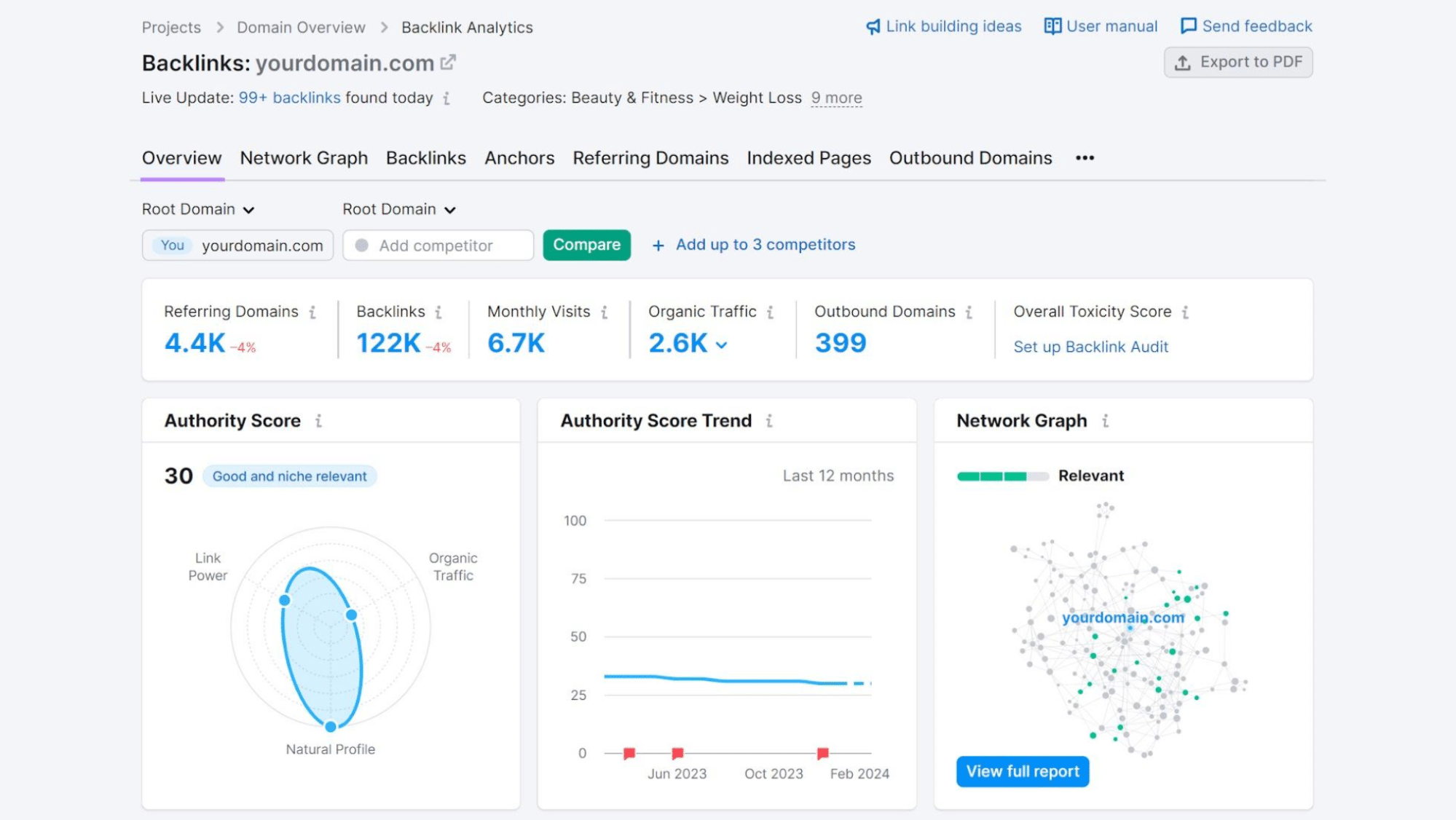
To check how many backlinks a website has, I use a combination of tools and compare their data to get a more accurate picture. In practice, I do not rely on a single figure because each tool crawls the web differently, so the real insight comes from analysing patterns rather than focusing on one number.
Using a backlink checker tool effectively
Using a backlink checker tool effectively means going beyond just looking at total backlinks and digging into the link profile itself. When I run an analysis, I look at referring domains, link growth trends, and how links are distributed across pages to understand the site’s overall authority.
I also cross-check data between tools to spot inconsistencies and uncover links that may not appear in one platform. This approach helps me avoid blind spots and provides a clearer view of what actually influences rankings.
Metrics you should actually pay attention to
The metrics you should pay attention to are the ones that reflect link quality, relevance, and consistency over time. From experience, these indicators tell me far more about a site’s SEO strength than raw backlink numbers ever will.
Referring domains vs total backlinks
Referring domains represent the number of unique websites linking to you, while total backlinks include every single link. I focus more on referring domains because links from diverse, relevant sites carry more weight than multiple links from the same domain.
Domain authority and domain rating
Domain authority and domain rating are useful indicators of a site’s overall strength and credibility. While they are not official ranking factors, I use them as benchmarks to compare link sources and prioritise stronger domains.
Anchor text distribution
Anchor text distribution shows how your links are labelled and whether they appear natural. I always check for over-optimised keywords because an unnatural pattern can signal manipulation and increase risk.
Follow vs nofollow links
Follow links pass authority, while nofollow links do not directly influence rankings in the same way. That said, I still look for a balanced mix because a natural backlink profile includes both types.
New and lost backlinks over time
Tracking new and lost backlinks helps me understand whether a site is growing or losing authority. When I see sudden drops or spikes, I investigate quickly because they can directly affect performance.
What is a backlink management tool and do you need one?
A backlink management tool is software that helps you track, analyse, and maintain your backlink profile so you can make informed SEO decisions. In my day-to-day work, I rely on these tools heavily because managing backlinks manually is not realistic once a site starts growing.
Key features to look for in a backlink management tool
The key features you should look for are those that provide clarity, accuracy, and control over your backlink profile. From experience, the right tool does not just show data, it helps you act on it efficiently.
Backlink tracking and monitoring
Backlink tracking and monitoring allow you to see new and existing links as they appear. I use this feature to keep track of link growth and quickly identify any unusual changes.
Toxic link detection and disavow support
Toxic link detection highlights potentially harmful backlinks that could affect your rankings. Having disavow support built in makes it easier for me to take action without switching between multiple platforms.
Competitor backlink analysis
Competitor backlink analysis shows where your competitors are getting their links from. I often use this to find opportunities that I can realistically replicate or improve on.
Anchor text and link distribution insights
Anchor text and link distribution insights help me understand how natural a backlink profile looks. When I review this, I check for balance and avoid patterns that could raise red flags.
Automated alerts for new and lost links
Automated alerts notify me when links are gained or lost, saving time and reducing manual checks. This is especially useful when managing multiple sites at once.
Recommended tools SEO professionals actually use
The tools SEO professionals use are those that provide reliable data and support long-term optimisation. Over the years, I have tested many platforms, but a few consistently stand out in real campaigns.
Ahrefs
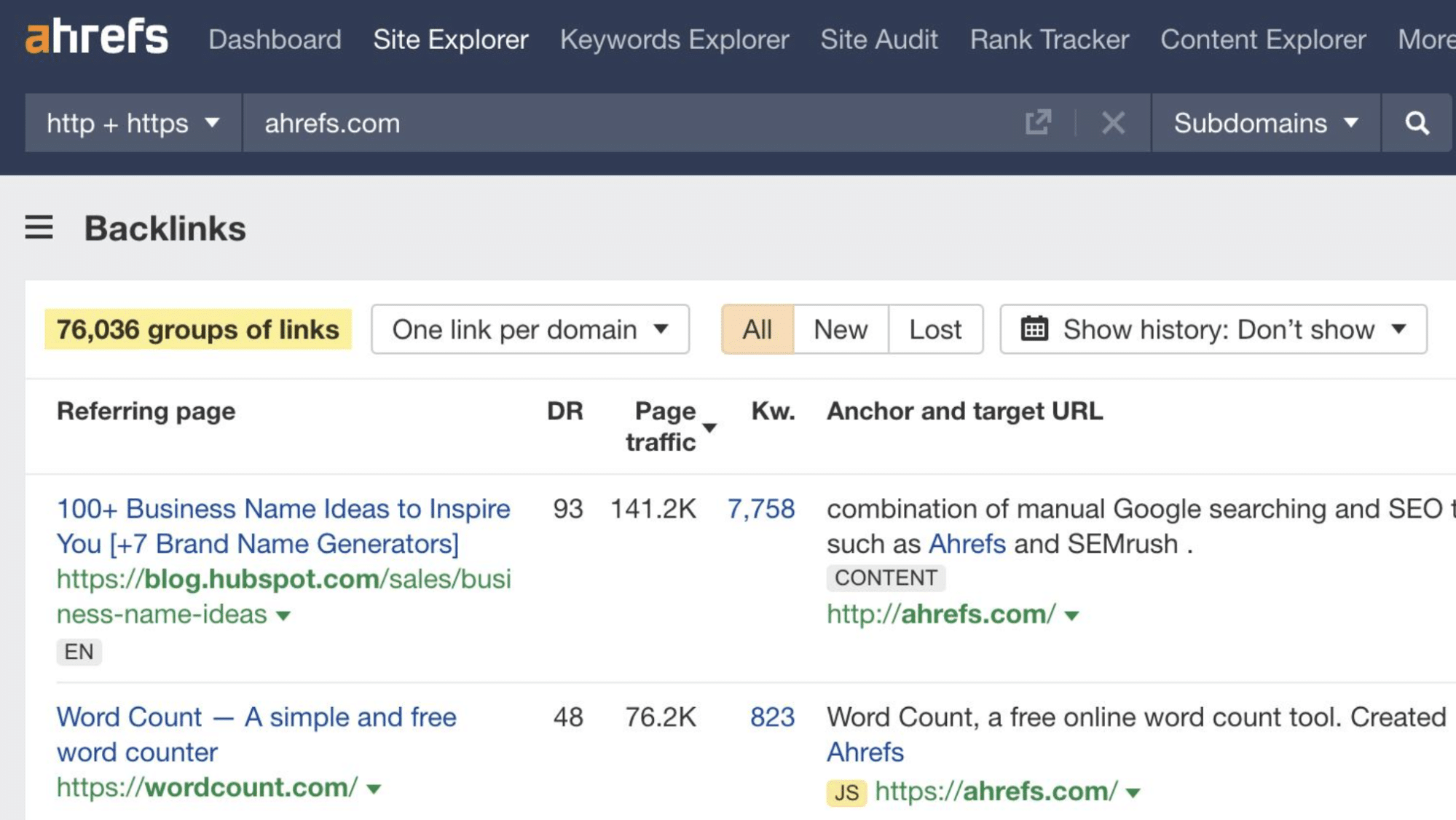
Ahrefs is one of the most comprehensive tools I use for backlink analysis. Its database is strong, and I find it particularly useful for deep link audits and competitor research.
SEMrush
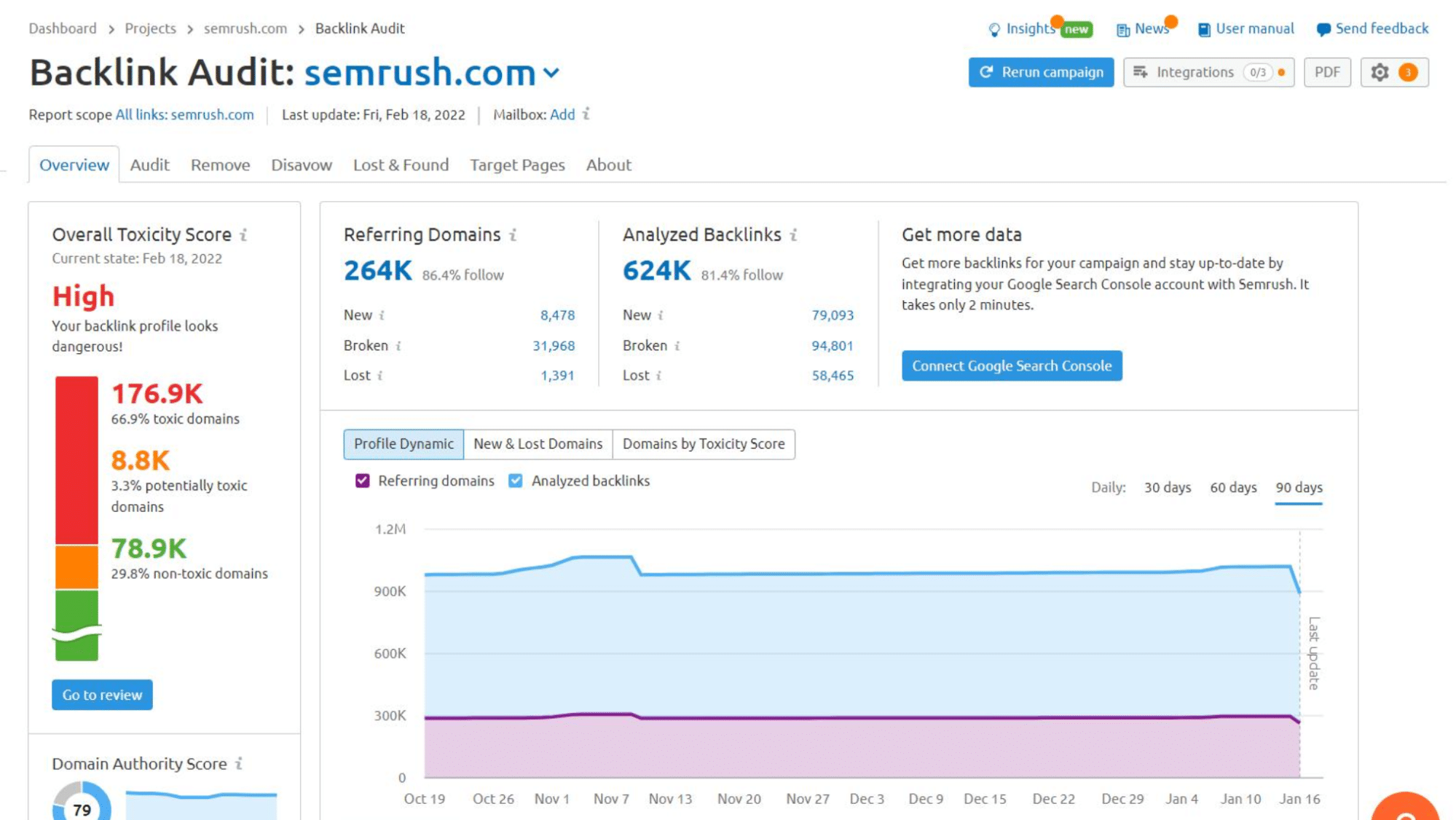
SEMrush offers a well-rounded set of features that combine backlink data with broader SEO insights. I often use it when I need both link analysis and overall site performance tracking in one place.
Google Search Console
Google Search Console provides direct data from Google, which makes it essential for verifying backlinks. While it is not as detailed as other tools, I always use it as a baseline reference.
Moz
Moz is useful for its domain authority metric and overall simplicity. When I need a quick evaluation of link quality, it gives me a straightforward view without too much complexity.
Majestic SEO
Majestic SEO focuses heavily on link data, especially trust and citation metrics. I use it when I want another layer of validation for link quality and authority.
Common backlink management mistakes to avoid
The most common backlink management mistakes often stem from chasing quick wins rather than building a stable, long-term link profile. From what I have seen, these mistakes often do not show immediate impact, but they quietly weaken rankings over time.
Focusing only on link quantity
Focusing only on link quantity is one of the biggest mistakes I still see today. Many site owners assume that more links automatically mean better rankings, but in reality, low-quality links often dilute the overall strength of the profile.
In several campaigns I have handled, reducing poor-quality links and replacing them with a few strong ones led to better results. It is not about how many links you have, but whether those links actually signal trust and relevance to search engines.
Ignoring anchor text distribution
Ignoring anchor text distribution can create unnatural, risky patterns. When too many links use the same keyword-heavy anchors, it signals manipulation rather than organic growth.
I always review anchor text closely to ensure there is a natural mix of branded, generic, and contextual anchors. This keeps the backlink profile balanced and reduces the chances of triggering algorithmic issues.
Not tracking lost or broken backlinks
Not tracking lost or broken backlinks means missing out on opportunities to recover valuable link equity. I have seen sites lose strong backlinks without realising it, which directly impacts their rankings.
When I monitor backlinks consistently, I can quickly identify losses and take action, whether that means reaching out to restore the link or replacing it with a new one. This ongoing attention helps maintain stability in search performance.
Build Authority with Smarter Backlink Management
Backlink management is not about chasing links blindly, it is about building and maintaining a profile that consistently strengthens your authority over time.
From my experience, the sites that perform best are those that audit regularly, focus on link quality, and stay disciplined in how they build and monitor backlinks.
If you are serious about scaling your rankings, having the right strategy and execution matters.
At First Page Digital, this is exactly what we do daily for clients across competitive industries in Singapore. If you want a clear roadmap tailored to your site, you can sign up for a FREE strategy call worth $2000, and I will walk you through what is working, what is not, and how to fix it properly.
FAQs about backlink management
How often should I check my backlinks?
You should check your backlinks at least once a month, but in competitive niches or active campaigns, I usually review them weekly to stay ahead of sudden changes. In my experience, consistent monitoring helps catch issues early before they affect rankings.
Can bad backlinks hurt my rankings?
Yes, bad backlinks can hurt your rankings because they signal low-quality or manipulative behavior to search engines. I have seen sites lose visibility simply because spammy links accumulated and were never cleaned up.
What is the best backlink checker tool?
There is no single best backlink checker tool, as each has its strengths, so I typically use a combination to get a complete view. From my workflow, tools like Ahrefs, SEMrush, and Google Search Console together give the most reliable insights.
How long does it take for backlinks to impact SEO?
Backlinks usually take a few weeks to a few months to impact SEO, depending on how quickly search engines discover and evaluate them. In real campaigns, I often see gradual improvements rather than immediate changes, especially when building links consistently over time.