After years of working at a link building agency, one thing I can tell you is this: not all backlinks are created equal.
Some move rankings, some get ignored, and others can even hurt your site if they’re done wrongly. The difference often comes down to how natural those links look, how they’re earned, and how they sit within your overall outbound links strategy.
In this guide, I’ll walk you through what natural backlinks are and how I build them in a way that’s sustainable and aligned with how search engines work today.
More importantly, I’ll show you what works in real scenarios, so you’re not just learning theory but applying strategies that actually drive results.
What Are Natural Backlinks?
Natural backlinks are links that other websites give you voluntarily because they find your content useful, relevant, or worth referencing. From my experience, these links usually come without any outreach, payment, or manipulation, which is exactly why search engines treat them as strong signals of trust and authority.
What makes them truly “natural” isn’t just how they’re earned, but the context behind them. I often see this when a blog cites original research, a guide gets referenced in a tutorial, or a tool is mentioned organically in a review. The intent is genuine, and that’s what Google picks up on.
How Natural Backlinks Differ from Manual or Paid Links
Natural backlinks are earned organically, while manual or paid links are created through deliberate actions like outreach, link exchanges, or sponsorships. In practice, I’ve found that the key difference lies in intent. Natural links happen because someone wants to link to you, whereas manual links exist because you made it happen.
This distinction matters more than most people think. When I audit backlink profiles, unnatural patterns often appear in forced anchor text, repetitive placements, or links from irrelevant sites.
On the other hand, natural backlinks tend to appear across diverse domains, use varied anchor text, and sit within meaningful content that adds value to readers.
Why Are Natural Backlinks Important for SEO?
Natural backlinks are important because they signal trust, authority, and relevance to search engines, which directly influences how well a page ranks.
I’ve consistently seen that pages earning genuine links tend to perform better, sustain rankings longer, and recover faster from algorithm updates than those relying on artificial link tactics.
How natural backlinks impact search rankings
Natural backlinks improve search rankings by acting as independent votes of confidence from other websites. When authoritative and relevant sites link to your content, search engines interpret that as a strong indicator that your page deserves visibility.
In real campaigns I’ve worked on, the impact is rarely instant but always compounding. One solid natural link from a trusted site often drives more value than dozens of low-quality links, especially when it brings both ranking signals and actual referral traffic.
Why Google values earned links over built links
Google values earned links more because they are harder to manipulate and reflect genuine endorsement. From what I’ve observed, the algorithm is designed to reward links that exist because of content merit, not because someone engineered them.
When links are built purely for SEO, patterns tend to form, and those patterns are easy to detect.
Earned links, on the other hand, come from varied sources, use natural language, and sit within meaningful content, which makes them far more reliable as ranking signals.
The role of backlinks in AI SEO and LLM visibility
Backlinks play an increasingly important role in AI SEO, as large language models rely on trusted, well-cited sources when surfacing information. In my experience, content that attracts natural backlinks is more likely to be referenced, summarised, or surfaced by AI-driven search features.
As search evolves beyond traditional rankings, authority becomes even more critical. Pages with strong backlink signals are not just ranking higher, they are also more likely to be included in AI-generated answers, which means backlinks now influence both visibility and discoverability in a much broader way.
What Does a Natural Backlink Profile Look Like?
A natural backlink profile looks balanced, diverse, and built over time rather than all at once. From what I’ve seen in real audits, the strongest profiles don’t look perfect, they look organic, with links coming from different sites, using different anchors, and appearing at a pace that matches the site’s growth.
Key characteristics of a natural backlink profile
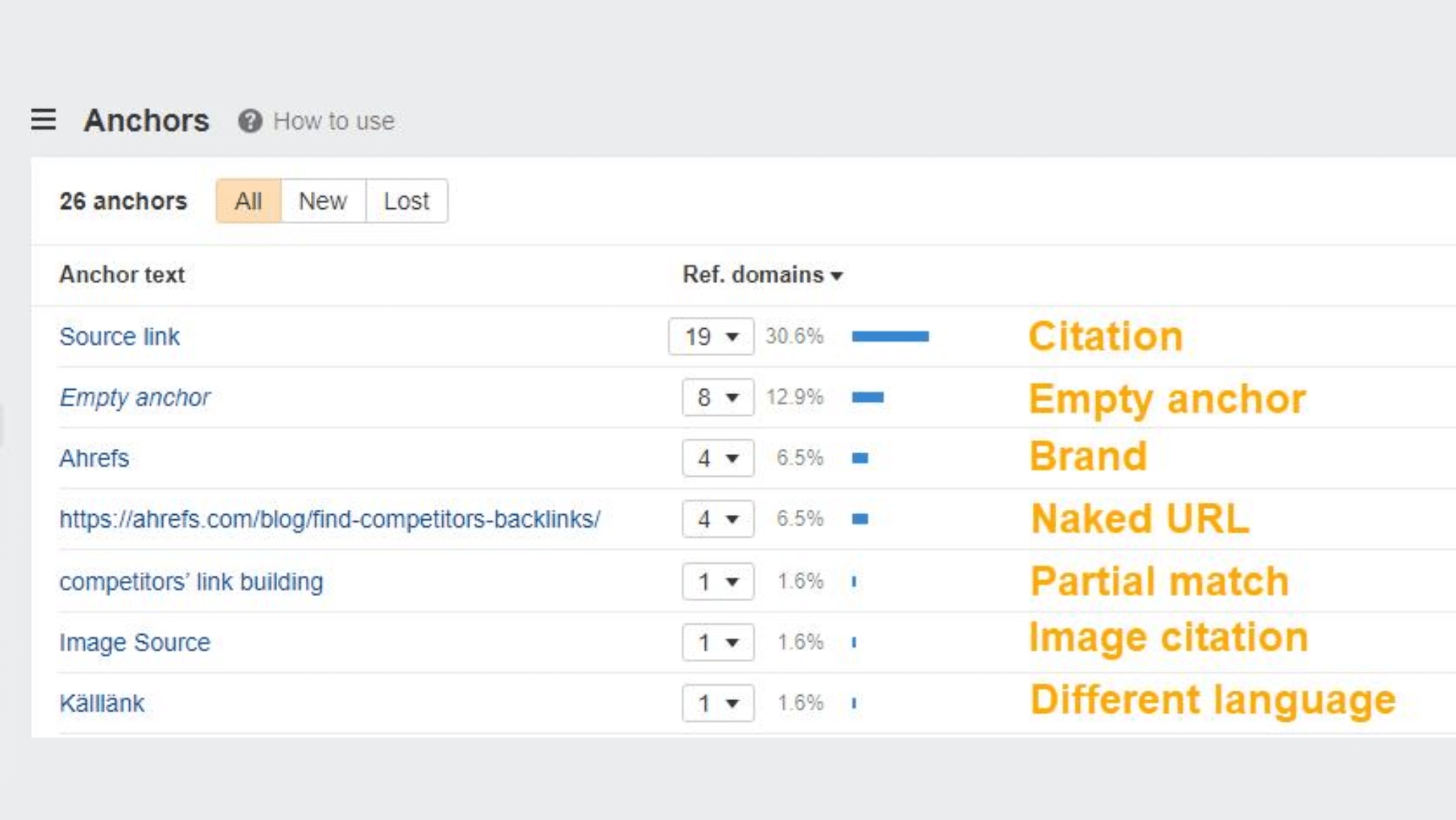
A natural backlink profile typically includes links from a wide mix of domains, including blogs, news sites, directories, and niche-relevant pages. In most cases I review, the anchor text varies naturally too, with branded terms, generic phrases, and occasional keywords instead of everything being overly optimised.
Another thing I always look for is consistency over time. Healthy profiles grow gradually, often driven by content performance or brand visibility, not sudden spikes. When links come in steadily and from relevant sources, it signals that the site is earning attention rather than trying to game the system.
Natural vs unnatural backlink patterns with examples
Natural backlink patterns tend to look uneven in a good way, meaning links come from different types of pages and industries, with no obvious footprint. For example, a guide might get cited by a blogger, then referenced in a forum, and later picked up by a media site, all using slightly different anchor text.
Unnatural patterns, on the other hand, are usually easy to spot once you know what to look for. I often see clusters of links from similar sites, identical anchor text repeated across pages, or a sudden surge of backlinks within a short period. These patterns don’t reflect real user behaviour, which is why they tend to raise red flags.
How to Build Backlinks Naturally
You build natural backlinks by creating content that earns attention rather than chasing links directly. In my day-to-day work, the sites that attract the best links are not the ones doing the most outreach, but those that consistently publish useful, credible, and experience-driven content.
Create content people genuinely want to link to
Content earns links when it solves a real problem or adds something new to the conversation. I’ve seen this happen with detailed guides, unique frameworks, or even simple explanations that are clearer than what’s already ranking.
What matters most is usefulness. If someone can reference your page to support their point or improve their own content, the link becomes a natural outcome instead of something you have to ask for.
Use original data, insights, and real experience
Original data and firsthand insights give people a reason to cite you instead of someone else. In many campaigns I’ve handled, a single piece of content backed by internal data or real case studies attracted far more links than generic articles.
When you share what you’ve actually tested, observed, or learned, it stands out. Other writers, journalists, and creators are always looking for credible sources, and this is where experience-driven content becomes highly linkable.
Turn expertise into linkable assets
Your expertise becomes valuable when you package it into formats others can easily reference. I usually recommend turning knowledge into assets like detailed guides, industry benchmarks, or practical templates that people can apply directly.
Over time, these assets start to work on their own. As more people discover and use them, links come in naturally because the content continues to deliver value long after it’s published.
How to Make Your Backlinks Look Natural
Backlinks look natural when they reflect how people actually link on the internet, which means variation, relevance, and consistency over time. In my experience, once a link profile starts to look engineered instead of earned, it becomes much easier for search engines to discount its value.
Anchor text variation and optimisation

Anchor text should vary naturally because real users don’t all link the same way. When I review backlink profiles, I expect to see a mix of branded terms, generic phrases, URLs, and occasional keywords rather than repeated exact-match anchors.
Over-optimisation is where most sites go wrong. If too many links use the same keyword-rich anchor, it creates a clear pattern that doesn’t reflect genuine linking behaviour, which can weaken the overall impact of those links.
Link velocity and growth consistency
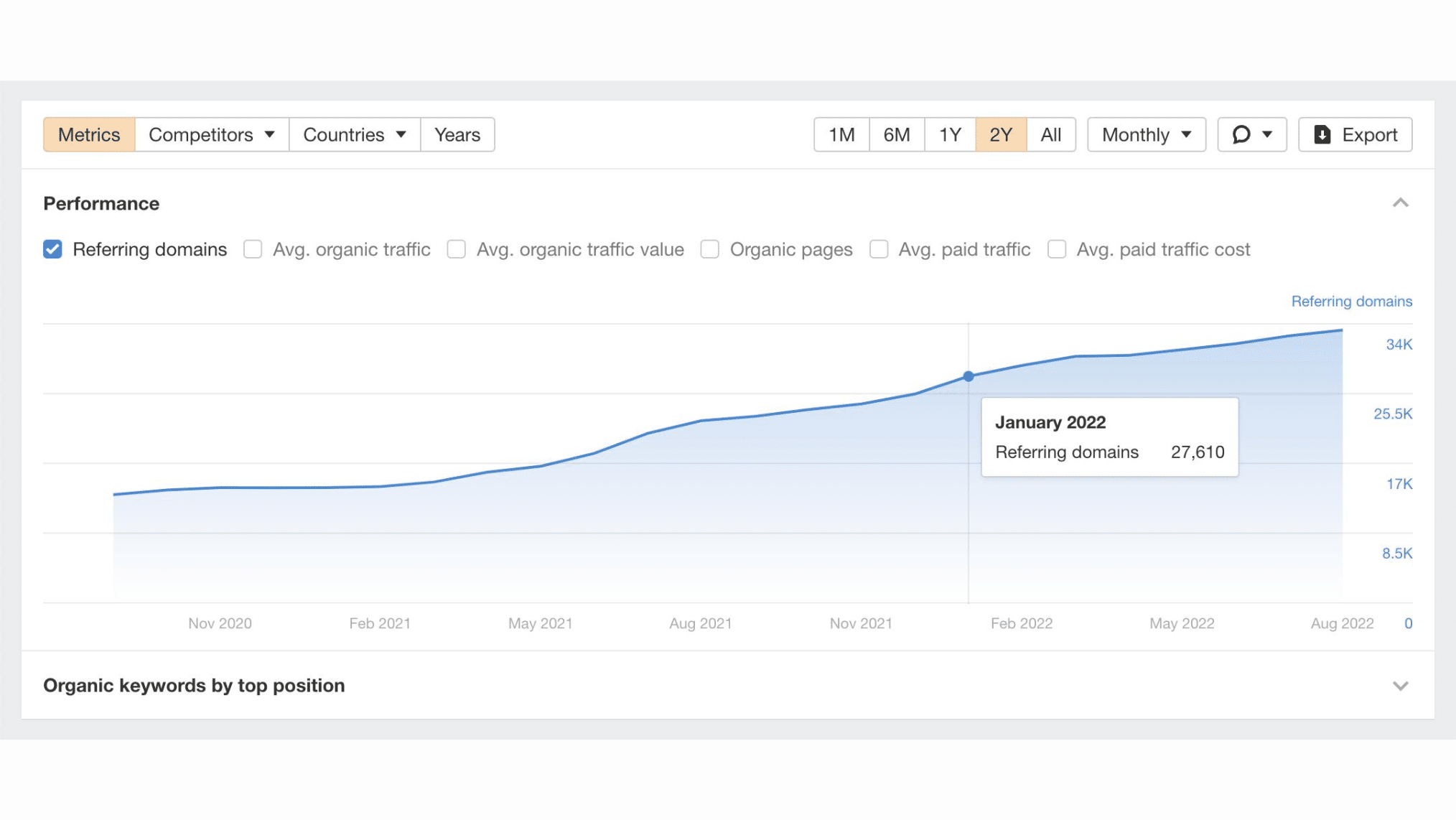
Link velocity refers to how quickly you gain backlinks over time, and it should align with your site’s growth. From what I’ve seen, steady and gradual link acquisition tends to look far more natural than sudden spikes.
A sharp increase in backlinks without a clear reason, such as viral content or media coverage, often raises concerns. When growth is consistent and tied to content performance, it signals that links are being earned, not artificially created.
Diversifying referring domains and link types
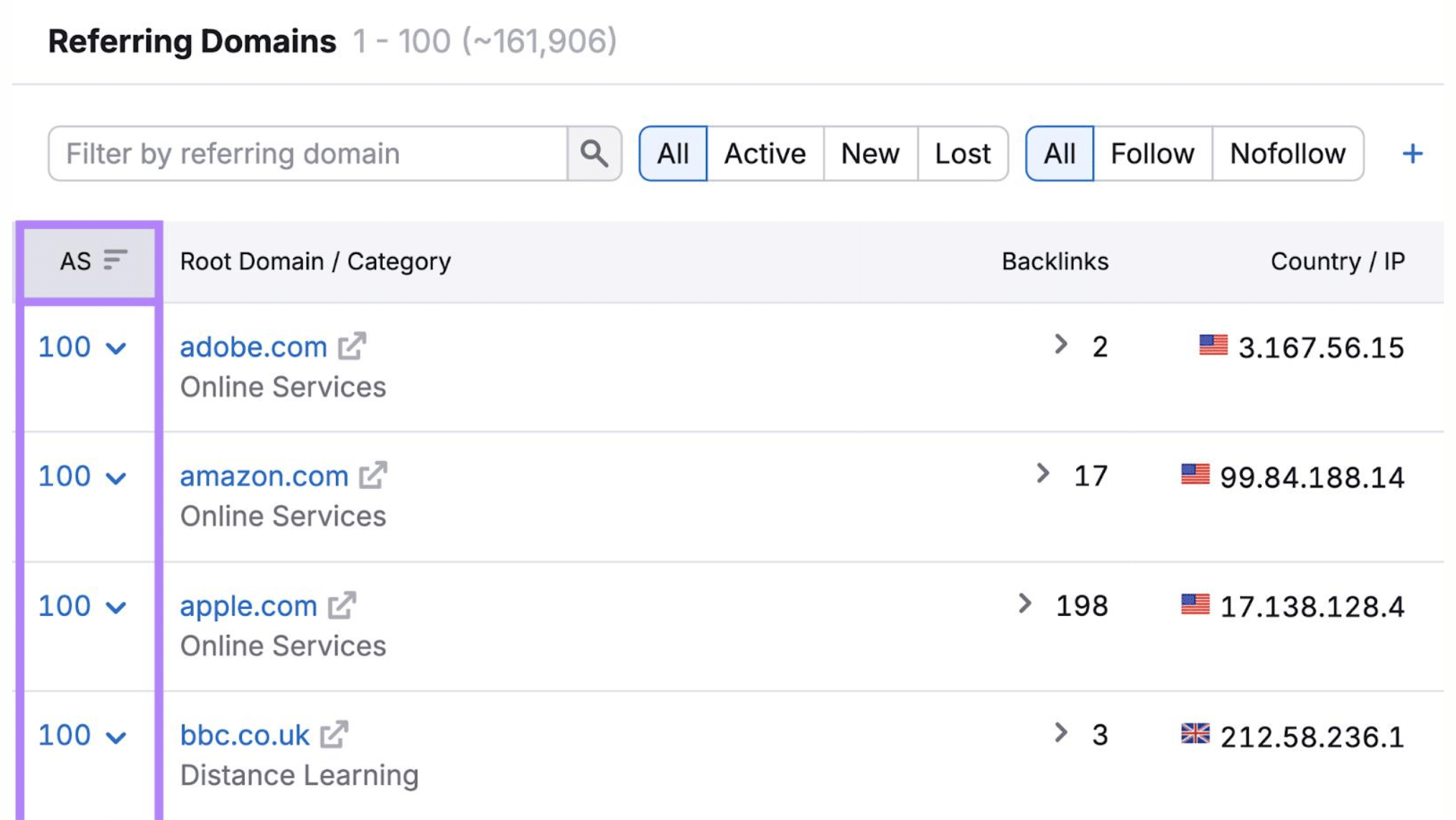
A natural backlink profile includes links from a wide range of domains and content types. In practice, this means getting links from blogs, news sites, niche websites, and even forums, instead of relying on a single source.
Diversity also applies to how links are placed. Some may appear within articles, others in resource pages or mentions, and that variation is exactly what makes the profile look authentic and trustworthy.
Common Mistakes That Make Backlinks Look Unnatural
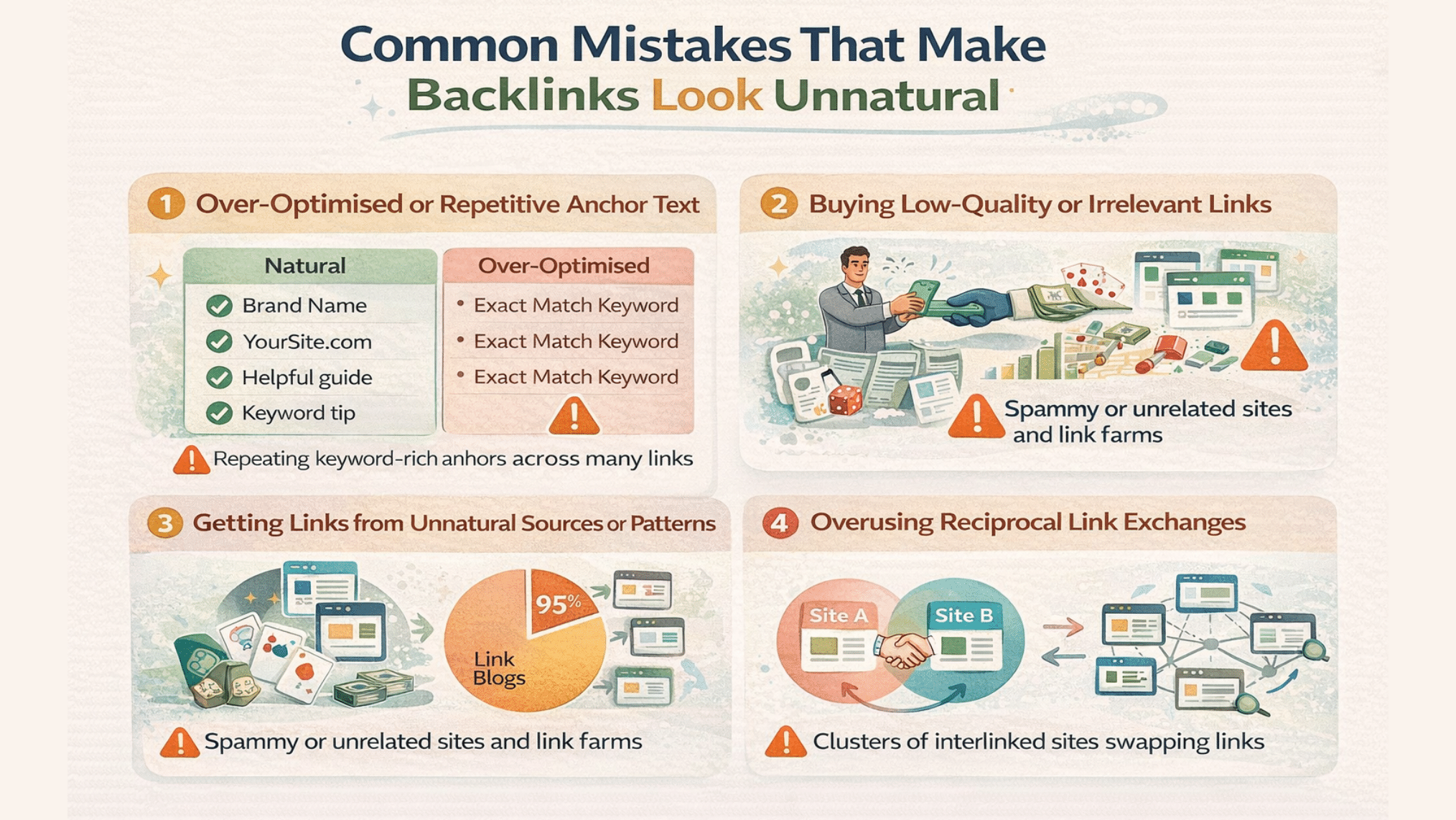
Backlinks start to look unnatural when patterns appear that don’t reflect real user behaviour. In many audits I’ve handled, the issue isn’t just poor links, but predictable footprints that make the entire profile look manipulated rather than earned.
Over-optimised or repetitive anchor text
Over-optimised anchor text happens when too many backlinks use the same keyword-heavy phrases. I’ve seen sites aggressively push exact-match anchors, thinking it will boost rankings, but it usually has the opposite effect once patterns become obvious.
A natural profile spreads anchors across branded terms, partial matches, and generic phrases. When everything looks identical, it signals intent to manipulate rather than inform, which weakens trust in the links.
Buying low-quality or irrelevant links
Buying links from low-quality or unrelated sites often does more harm than good. In practice, these links tend to come from thin-content pages, link farms, or sites with no topical relevance, making them easy to spot.
Even if they increase your link count, they don’t build authority. What I’ve noticed is that search engines are far better now at ignoring or devaluing these links, so the effort rarely translates into sustainable rankings.
Getting links from unnatural sources or patterns
Unnatural patterns usually show up when links come from the same type of site, network, or structure repeatedly. For example, I’ve reviewed profiles where most links come from similar blogs with identical layouts, which immediately raises concerns.
A natural profile doesn’t follow a fixed pattern. Links should come from varied sources, across different contexts, and at different times, reflecting how people actually discover and reference content.
Overusing reciprocal link exchanges
Reciprocal links become problematic when they are excessive or irrelevant. While occasional mutual linking can happen naturally, large-scale exchanges in which sites link to each other purely for SEO leave a clear footprint.
From what I’ve seen, this tactic often leads to clusters of interlinked sites with little real value. When links exist only because of an agreement rather than genuine relevance, they lose credibility and can dilute your overall backlink profile.
How to Scale Natural Backlink Growth
You scale natural backlinks by building systems that consistently attract links, not by chasing them one by one. Over the years, I’ve found that once the right assets and processes are in place, links start coming in more predictably because your content keeps getting discovered and referenced.
Creating linkable assets that attract citations
Linkable assets are pieces of content designed to be referenced, such as in-depth guides, original research, or industry benchmarks. When I build these for clients, I focus on making them genuinely useful so others can rely on them as a source.
The key is longevity. A strong asset continues earning links long after it’s published because it remains relevant, gets updated, and becomes a go-to reference within its niche.
Using digital PR to earn authoritative links
Digital PR earns links by turning your brand or content into something worth talking about. I’ve used this approach to secure mentions from high-authority sites by positioning data, insights, or stories in a way that journalists and publishers find valuable.
Instead of asking for links directly, you’re creating opportunities for coverage. When done properly, these links carry more weight because they come from trusted sources and are placed within editorial content.
Leveraging partnerships and content collaborations
Partnerships and collaborations help you tap into existing audiences while earning natural links. In my experience, co-creating content with industry players, contributing insights, or working on joint projects often leads to organic mentions.
These links tend to be more relevant because they come from within your ecosystem. When both sides benefit from the collaboration, the links happen naturally as part of the content rather than being forced in for SEO purposes.
How to Check If Your Backlinks Are Natural
You can tell if backlinks are natural by analysing patterns, context, and consistency rather than just counting links. When I audit a site, I’m not looking for perfection; I’m looking for signals that reflect real behaviour instead of engineered activity.
Signals I look for in a healthy backlink profile
A healthy backlink profile shows diversity in domains, anchor text, and link placement. When I review links, I expect to see a mix of branded anchors, contextual mentions, and links coming from relevant pages across different websites.
I also pay attention to how links grow over time. If they appear steadily and align with content performance or brand exposure, that’s usually a good sign. On the other hand, sudden spikes or repeated patterns often indicate something unnatural behind the scenes.
Tools to audit backlink quality
To properly assess backlinks, I rely on a combination of tools because no single platform gives the full picture. Each tool helps me uncover different signals, from link sources to anchor distribution and overall authority.
Ahrefs
Alt text: Ahrefs Site Explorer showing anchor text distribution and referring domains growth for backlink analysis
Ahrefs is what I rely on for a detailed breakdown of a site’s backlink profile, especially at scale. I use Site Explorer to analyse referring domains, anchor text distribution, and link growth trends, which helps me quickly spot unnatural spikes or patterns that don’t align with organic growth.
What makes it powerful for me is the ability to drill down into link context. I often check the “Best by links” and “Anchors” reports to see which pages are earning links and how they’re being referenced. The Link Intersect feature is also something I use quite a bit, it shows me which sites are linking to competitors but not to my client, which helps identify realistic opportunities for earning similar natural links.
Google Search Console

Google Search Console gives me the most reliable view of backlinks from Google’s perspective. When I’m auditing a site, I use the “Links” report to identify top linking domains and pages, then cross-check that data against third-party tools to spot discrepancies.
One thing I pay close attention to is which pages are getting the most internal and external links, because it often reveals how Google understands the site’s structure and authority flow. I also use this data to validate whether newly acquired links are actually being recognised, since not all links picked up by external tools are counted by Google.
SEMrush

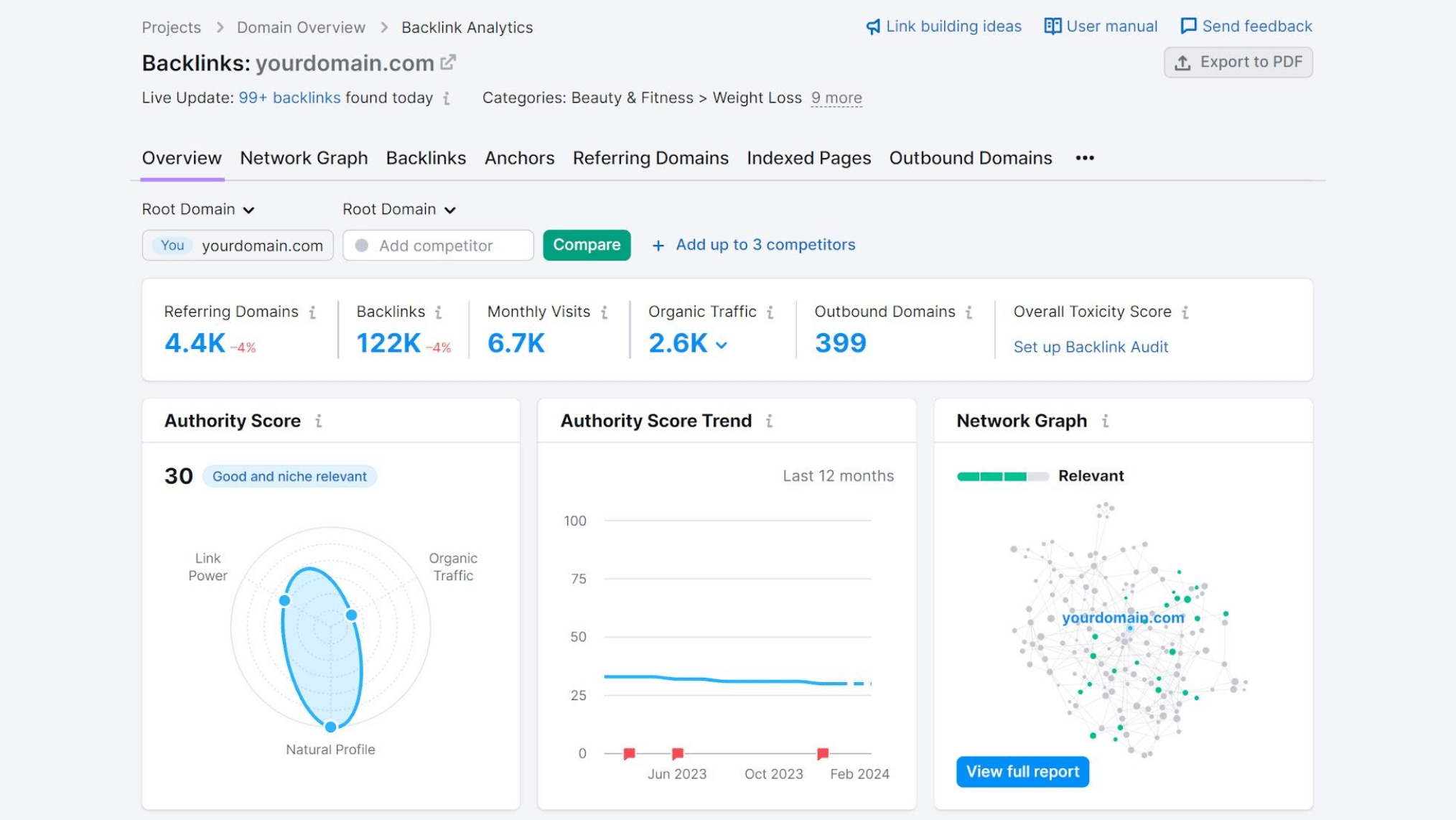
SEMrush is my go-to for assessing backlink quality and identifying potential risks. I typically use the Backlink Audit tool to evaluate toxicity scores, which helps flag links that may be spammy, irrelevant, or part of unnatural patterns.
Beyond that, I look at referring domain categories and authority scores to understand the overall relevance of the backlink profile. This is especially useful when I’m cleaning up a site or deciding which links to keep, disavow, or ignore, since it gives a clearer picture of how each link contributes to overall trust.
Majestic SEO
Majestic SEO is particularly useful for evaluating link authority using Trust Flow and Citation Flow. Trust Flow measures the quality of links based on how closely they are connected to a set of trusted sites, while Citation Flow focuses more on the quantity and influence of links pointing to a page.
In practice, I use these two metrics together to assess balance. A site with high Citation Flow but low Trust Flow often indicates a large number of low-quality links, whereas a strong Trust Flow suggests links from credible, relevant sources. This helps me quickly judge whether a backlink profile is built on genuine authority or inflated with volume that doesn’t carry much real value.
Build Authority That Attracts Links Automatically
Natural backlinks come from doing the fundamentals right: creating genuinely useful content, building topical authority, and earning trust over time.
From my experience, once a site reaches that level, link building stops feeling like a manual task and starts becoming a by-product of strong SEO work.
If you want to speed this up without cutting corners, this is exactly what we focus on at First Page Digital. My team and I specialise in building sustainable link strategies that actually move rankings, not just inflate numbers. If you’re serious about growing your organic traffic,
I’d recommend booking a FREE strategy call with us worth $2000, and we’ll break down exactly how you can start earning better links.
FAQs
How long does it take to earn natural backlinks?
It usually takes a few weeks to a few months to earn natural backlinks, depending on how strong your content and distribution are. In my experience, content that genuinely stands out can attract links quite quickly, but most pages build links gradually as more people discover and reference them over time.
Can you build natural backlinks without creating content?
No, you can’t consistently build natural backlinks without content because there needs to be something worth linking to. From what I’ve seen, even brand mentions or homepage links are often driven by content, whether it’s a guide, a data study, or a useful resource.
Are natural backlinks better than guest posting links?
Yes, natural backlinks are generally stronger because they come from genuine editorial decisions rather than planned placements. I still use guest posting strategically, but the links that move rankings the most are usually the ones you didn’t have to ask for.
How many natural backlinks do I need to rank?
There isn’t a fixed number because rankings depend on competition, content quality, and overall authority. In practice, I focus less on quantity and more on earning links from relevant, trusted sites, since a few strong backlinks can outperform a large number of weak ones.
Do natural backlinks still work today?
Yes, natural backlinks still work and remain one of the most important ranking factors. Even with all the changes in search and AI, I’ve consistently seen that pages earning genuine links continue to perform better and gain more visibility across both traditional and AI-driven search results.