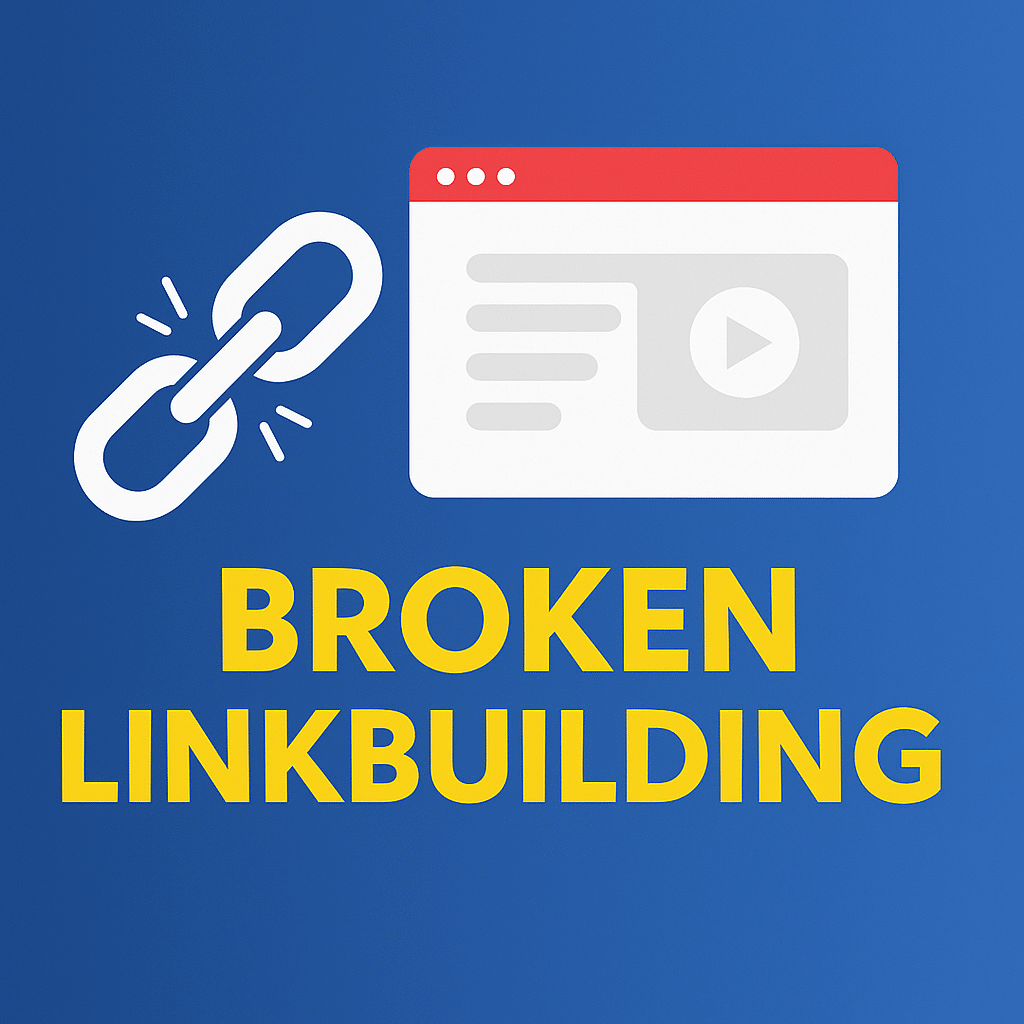
Broken link building is a white-hat SEO strategy where you identify dead (404) external links on authoritative websites, recreate or improve the content they point to, and suggest that the site owner replace the broken link with your resource. This method not only helps you acquire backlinks but also enhances the user experience by fixing broken links on reputable sites.
Is Broken Linkbuilding Still Effective in 2025?
Yes, broken link building (BLB) remains a highly effective and scalable SEO strategy in 2025. Despite the evolution of search engine algorithms and the increasing sophistication of SEO practices, BLB continues to offer significant benefits for websites aiming to improve their search engine rankings and domain authority.
Why Broken Link Building Works
Addressing Link Rot
The phenomenon of link rot, where hyperlinks cease to function over time, is prevalent across the web. Studies have shown that a significant percentage of links on the internet become broken within a few years. By identifying and replacing these dead links with your own high-quality content, you provide value to website owners and improve user experience.
Aligning with Google’s E-E-A-T Guidelines
Google’s emphasis on Experience, Expertise, Authoritativeness, and Trustworthiness (E-E-A-T) in 2025 underscores the importance of high-quality, relevant content. By offering superior content to replace broken links, you not only help website owners but also enhance your site’s authority and trustworthiness in the eyes of search engines.
High Response Rates
Personalized outreach in BLB campaigns has shown higher response rates compared to generic link-building methods. By crafting thoughtful and specific messages, you increase the likelihood of website owners replacing broken links with your content
A Simple, Repeatable Process To Broken Linkbuilding
- Find Opportunities
- Competitor 404s: Analyze competitors’ backlinks for dead links.
- Resource Pages: Search for outdated resource lists in your niche and check for broken links.
- Your Own Broken Backlinks: Use tools to identify any broken links pointing to your site.
- Qualify and Prioritize
Focus on:
- Topical Relevance: Ensure the broken link’s topic aligns with your content.
- Link Equity: Target pages with strong referring domains and traffic.
- Content Quality: Assess the quality and authority of the linking pages.
- Replacement Feasibility: Evaluate your ability to create superior replacement content quickly.
- Create or Upgrade the Asset
Develop content that:
- Matches the original’s intent.
- Provides more value (e.g., updated data, visuals, expert quotes).
- Is structured clearly and is mobile-friendly.
- Outreach and Follow-Up
Craft a concise, personalized message:
- Point out the exact broken link.
- Explain why your resource is a suitable replacement.
- Include the URL for easy reference.
- Follow up once after 3–5 business days if you don’t receive a response.
Best Practices for Effective Broken Link Building
Target Relevant and Authoritative Websites
Focus on websites within your niche that have high domain authority. This ensures that the backlinks you acquire are valuable and contribute positively to your SEO efforts.
Create High-Quality Replacement Content
Develop content that not only matches the original link’s topic but also provides additional value. Incorporate updated information, visuals, and comprehensive insights to make your content a compelling replacement.
Personalize Outreach Efforts
Avoid generic emails. Instead, tailor your messages to each website owner, referencing the specific broken link and explaining how your content serves as a suitable replacement. This personalized approach fosters positive relationships and increases the chances of successful link placements.
Proven Ways to Find Broken Links
- Resource Page Sweeps: Search for “resources” pages in your niche, even outdated ones, and check for broken links.
- Competitor 404 Mining: Use tools to find competitors’ broken pages and rebuild top targets.
- Outgoing Link Audits: Crawl authoritative sites in your niche to uncover dead external links you can replace.
- Wikipedia Angle: Identify dead citations in Wikipedia articles to spot content gaps and pitch valuable resources.
Tools For Broken Linkbuilding
| Tool Category | Tools | Purpose |
|---|---|---|
| Discovery and Verification | Ahrefs, Semrush, Screaming Frog, Archive.org/Wayback, Check My Links, LinkMiner | Helps find broken links, verify them, and track dead backlinks on your site and competitors. |
| Outreach Automation | BuzzStream, Pitchbox, Mailshake | Automates outreach processes, enabling personalized bulk emailing and follow-up tracking. |
| Content Creation | Canva, Google Docs, Grammarly | Used for creating and optimizing content, including visuals, written content, and grammar checks. |
Common Pitfalls in Broken Link Building (and How to Avoid Them)
- Pitching Irrelevant Content
One of the most common mistakes in broken link building is pitching content that does not closely match the original dead link’s topic. If your replacement content isn’t relevant to the context of the broken link, the website owner is unlikely to replace it.
For instance, if the original link was pointing to a detailed article about a specific product feature, offering a broad general guide on the topic may not suffice. It’s essential to ensure that your content fulfills the same purpose as the original, but with improvements such as updated data, clearer explanations, and enhanced visuals. By keeping the focus on relevance, you make your resource a more compelling replacement.
Tip to Avoid This Pitfall:
Before reaching out, thoroughly examine the dead link’s context. Understand what the original resource offered and ensure that your content is aligned with that topic. If you can offer something even more valuable, that will increase the likelihood of the site owner accepting your link.
- Bulk, Non-Personalized Emails
Another common mistake is sending out bulk, generic outreach emails. These often go ignored, and when they do get responses, they rarely convert into successful backlinks. Personalized outreach is key in broken link building. Site owners are more likely to respond positively when they feel like you’ve put thought into your message and tailored it to their specific needs.
Using a template without personalizing the message or referencing the specific broken link can come off as impersonal or spammy, which can harm your credibility and chances of success.
Tip to Avoid This Pitfall:
Craft each outreach message specifically for the website you’re contacting. Reference the broken link on their page, explain why your content is a great replacement, and keep the tone friendly and helpful. A personalized, clear, and concise email is much more likely to get a positive response.
- Not Verifying Broken Links
It’s important to always verify that the link you’re targeting is indeed broken before reaching out. Sometimes, a link may appear broken due to temporary server issues, and reaching out prematurely can waste your time and the site owner’s time.
Additionally, if the link turns out to be functional, it could damage your reputation with the site owner and reduce the chances of a successful outreach in the future.
Tip to Avoid This Pitfall:
Use tools like Ahrefs, Screaming Frog, or Check My Links to verify that the link is genuinely broken before you send your outreach email. This extra step will help you avoid wasting time and ensure that you only pursue genuine broken link opportunities.
- Targeting Low-Quality Sites
Focusing on low-quality websites or irrelevant sites for broken link building is a mistake many people make. Even if the site has a broken link, if it lacks authority or is unrelated to your niche, replacing the link will not provide much value. Links from authoritative websites and well-maintained resources are far more valuable than links from low-quality sites. Furthermore, links from poor-quality sites can damage your site’s reputation and ranking.
Tip to Avoid This Pitfall:
Always prioritize targeting authoritative and relevant sites. Aim for well-established domains in your niche with high domain authority (DA). Websites with solid reputations in your industry are much more likely to pass on valuable link equity and improve your site’s SEO performance.
When to Choose Broken Link Building
Best Fit: When you can create a superior replacement for a well-linked, now-dead resource with multiple referring domains and reachable site owners.
Consider Alternatives: If only weak opportunities exist or your site lacks topical authority, consider other strategies like digital PR or data studies.
Lightweight Email Framework (Adaptable)
Subject: Quick heads-up about a broken link on {Page}
Hi {Name},
I noticed a broken link on {Page URL} pointing to {Old URL/Anchor}. I’ve put together {Your Asset} that covers the same topic with updated {data/examples}. If helpful, here’s the link: {Your URL}. Either way, thought you might want to fix the 404. Thanks for the great resource!
Conclusion
Broken link building (BLB) continues to be a highly effective and scalable SEO strategy in 2025. By identifying dead (404) external links on authoritative websites and suggesting your content as a replacement, you not only help improve the user experience but also earn valuable backlinks that can boost your site’s authority and search engine rankings.
If you need assistance in implementing broken link building or other SEO strategies, consider exploring the services offered by First Page Digital:
Unsure if First Page Digital’s SEO is for you? Check out our compiled list of the best SEO agencies in Singapore to find and compare other SEO services.