Keyword cannibalisation happens when two or more pages on your site compete to rank for the same or very similar queries and search intent. The result is usually diluted authority, mixed signals to Google, and underperformance from all pages involved. It’s closely related to “content cannibalisation,” where overlapping coverage of a topic (even without exact keyword clashes) causes similar issues.
It isn’t always bad to have multiple URLs ranking for a topic, but when rankings and clicks yo-yo between your own pages, CTR and link equity split, and none of the pages satisfy a distinct intent, you likely have a problem. Several reputable guides emphasise diagnosing carefully before “deleting or redirecting everything.”
What keyword cannibalisation is (and isn’t)
At its core, keyword cannibalisation occurs when multiple pages on the same domain target the same or tightly similar keywords and intent, forcing Google to choose between them. Because the signals are split across pages (links, engagement, relevance), none becomes the obvious best result, so rankings and traffic suffer.
Some SEOs make a useful distinction: “keyword cannibalisation” (overlap at the query level) versus “content cannibalisation” (overlap at the topical level even if keywords differ). In practice, both can lead to volatility, mixed internal signals, and wasted crawl budget on near-duplicates or overlapping assets.
Why cannibalisation happens
Unplanned content growth: as teams scale, multiple posts or landing pages are created around the same head term without a central keyword map or content brief.
Tag/category sprawl: tag archives, thin category pages, or near-duplicate pagination that accrete over time.
Product variants and faceted navigation: e‑commerce filters (colour/size/brand) and variant URLs that index, all carrying similar metadata and copy.
SEO updates without governance: multiple “refreshes” of a topic over the years instead of one definitive evergreen updated over time.
International/geo pages with limited localisation: e.g., “tuition centre Singapore” and “tuition centre in Singapore” across .com and .com.sg, both light on unique content.
Programmatic SEO templates: thousands of city/service pages or feature permutations generated with near-identical copy and titles, inadvertently flooding the index with overlapping intent.
How to detect keyword cannibalisation
1) Use Keyword Rank Tracking Tools
Goal: detect keyword cannibalization by monitoring fluctuations in ranking URLs over time. Note: this is only applicable for keywords that were tracked.
Choose a keyword tracking tool like Keyword.com, Ahrefs, Semrush, SERanking, or SEOmonitor.
- Track your keywords’ performance:
- Input the target keyword(s) into your keyword tracking tool.
- Set the tool to track rankings over time, and ensure you’re monitoring multiple URLs for the same keyword.
Monitor ranking URL shifts:
- Check for frequent changes in the ranking URL for the same keyword.
- If the day-to-day ranking URL for a keyword keeps switching between two or more URLs, this is a strong indicator of keyword cannibalisation.
- Tools like Ahrefs or SEOmonitor will allow you to view ranking history, showing when URLs switch and how often they alternate.
What to look for:
- Multiple pages ranking for the same keyword: If you see more than one URL from your domain ranking for the same keyword, especially for keywords with high traffic, this suggests that your site might be competing against itself.
- Ranking URL instability: If your tool shows significant fluctuations in the ranking URL for a keyword (e.g., your product page ranks one day, and a blog post ranks the next), this indicates conflicting signals to Google and likely cannibalisation.
- Overlapping positions: Both URLs ranking in similar positions (e.g., 6th and 8th) can suppress the visibility of each other, leading to missed traffic opportunities.
2) Google Search Console (GSC) For All Pages
Goal: find queries where more than one URL from your site competes. Note: unlike keyword rank tracking tools, you can use this for any page or keyword without incurring extra costs.
Settings required
- Open Performance → Search results.
- Set Search type = Web, and pick a 90-day or last 6 months range (long enough to catch URL switching).
- (Optional) Filter by Country and Device if you target specific segments.
Find overlapping URLs per query
- Click + New → Query → Custom (regex) and enter a focal term (e.g., (^| )running shoes( |$)), or keep it broad first.
- Click the Pages tab (top of the table), then Compare pages:
- Switch back to Queries and tick “Compare selected pages” to see how the same query distributes across pages.
- Alternatively, don’t filter the query yet: stay on Queries, click a promising query, then Pages for that query to see all URLs that showed for it.
Export & pivot
- Export Queries and Pages.
- In a spreadsheet, make a pivot table:
- Rows: Query
- Columns: Page
- Values: Clicks, Impressions, Avg. Position
What to look for
- >1 URL per query with meaningful impressions (e.g., both pages >5–10% of the query’s impressions).
- Clicks splitting between URLs (both >10% share).
- URL switching over time: use GSC’s Date → Compare (e.g., last 28 days vs previous 28) on a single query to see if the winning URL flipped.
- Position drag: two URLs both hovering at worse average positions than a single consolidated page would (e.g., both stuck at positions 7–12).
Quick rule of thumb
If two URLs share ≥30% impressions for the same query across the period, or the “Top linked page” for that query changes when you compare dates, you likely have cannibalisation.
3) Run a quick Google “site:” check
Goal: spot obvious on-page overlaps fast.
Search: site:yourdomain.com “target term”
- Add modifiers to zoom in:
- intitle:”target term”
- Inurl:target-term
- Exclude sections: -site:blog.yourdomain.com (or -inurl:/tag/, -inurl:/category/)
What to look for
- Multiple pages with near-identical titles/H1s (e.g., “Best Running Shoes 2025” vs “Top Running Shoes 2025”).
- Tag/category/archive pages indexing for the same term.
- Faceted or parameter URLs (?color=red) showing up.
- Old seasonal pages still indexed (e.g., /best-running-shoes-2023/ competing with /best-running-shoes-2025/).
4) Build a lightweight keyword map (30–45 minutes)
Goal: make visible which URL owns which primary query/intent.
Create a sheet with columns:
- Primary Keyword
- Search Intent (Informational / Commercial / Transactional / Navigational)
- Mapped (Canonical) URL (the page that should rank)
- Supporting URLs (OK if intent is distinct and internal links point to the canonical)
- Notes (overlaps, rewrite/redirect candidates)
Seed it with:
- Your top 100–500 GSC queries by clicks + impressions.
- Any priority terms from your brief.
What to look for
- Two+ rows mapping to the same keyword with different URLs (true cannibalisation).
- One row where the “Mapped URL” differs from the page that actually ranks (misalignment).
- Same keyword but different intents (e.g., “nike running shoes” brand-navigational vs “best running shoes” informational → likely OK to coexist; just confirm internal linking reflects this).
5) Validate with third-party tools
Goal: catch URL switching and overlapping rankings at scale.
Ahrefs (Site Explorer → Organic keywords)
- Filter Include for your keyword (or use a Parent Topic).
- Open a keyword’s SERP/Position history and toggle “URLs” to see if different URLs from your site traded places over time.
- What to look for: frequent URL swaps, both URLs ranking on page 1–2 for the same term, and both stuck mid-pack.
Semrush
- Position Tracking → Cannibalization report (project required): lists keywords where multiple URLs rank or where the ranking URL changed across days.
- What to look for: high cannibalization score keywords; pages with the same intent.
Mangools (SERPWatcher & KWFinder)
- Track a keyword and open Dominance/URL view to see which URL ranks day-by-day.
- What to look for: alternating ranking URLs and stagnation around positions 6–15.
Tip: if a tool shows “Mixed Intent SERP” (both guides and product pages ranking), partial overlap may be normal—note it in your map rather than forcing a merge.
Is cannibalisation always harmful?
Not always. There are legitimate scenarios where multiple URLs from the same domain coexist successfully, such as:
- Different intent layers: an informational guide and a transactional page both appearing for a broad term because each satisfies a slice of demand.
- Branded navigational queries that naturally pull several important URLs.
- Freshness-sensitive topics where a recent update and a long-form evergreen may both appear.
However, if you notice that impressions and clicks oscillate between your own pages, none maintains stable top visibility, and the pages aren’t clearly serving distinct intents, you’re likely experiencing cannibalisation with a negative impact.
The takeaway from more nuanced discussions is to diagnose intent misalignment and performance symptoms first before “fixing.”
Fixing Keyword Cannibalisation
Keyword cannibalisation occurs when multiple pages on your website target the same keyword or search intent, causing internal competition and diluted SEO value. Here’s how to resolve and prevent cannibalisation effectively.
1) Choose the Right Remedy Based on Content Quality, Link Equity, and Intent Overlap
Your approach to fixing keyword cannibalisation will depend on the quality of the content, the backlinks each page has, and the overlap in search intent. Start with the highest-value page, usually the one with the most backlinks, most comprehensive content, and the best conversion rates, and determine the best solution for the others.
2) Consolidate and Redirect Competing Pages
Merge overlapping content into your most authoritative, evergreen page and then redirect secondary URLs to the primary page. This method is the cleanest option when pages are redundant with the same intent.
- Merge content: Combine unique, valuable sections from competing pages into a comprehensive resource.
- 301 Redirect: Apply a 301 redirect from the duplicate pages to the primary page. This consolidates link equity and traffic, improving SEO strength.
- Update internal links: Ensure all internal links point to the newly consolidated page, so Google knows which page to prioritize.
3) Canonicalise Wisely
If you must keep near-duplicate pages (such as filtered views, print versions, or campaign variants), use rel=”canonical” tags to indicate the preferred URL.
- Canonical tag: This tells search engines to treat one page as the “master” version, directing traffic and rankings to that page.
- Important considerations: Canonicals are hints, not directives. Combine them with logical internal linking and avoid conflicting signals like separate sitemaps or strong internal links pointing to the duplicate pages.
4) Re-target and De-optimize Pages
When two pages have similar content but serve distinct intents, adjust one page to target a different subtopic or stage in the buying process.
- Adjust focus: Update H1s, titles, meta descriptions, and sections to align with a different user intent.
- De-optimize: Remove overlapping keyword targeting. For example, a page about “best running shoes” can focus on informational content, while a product page focuses on transactional intent.
When to use: This approach works when both pages are valuable but overly broad, and there’s clear potential to split the user intent between the pages.
5) Noindex or Prune Low-Value Utility Pages
For pages that offer little SEO value, such as thin filter pages, tag archives, and internal search result pages, consider using the noindex meta tag to prevent them from being indexed.
- Noindex: Apply the noindex, follow directive to pages that provide no unique content but are useful for user navigation (e.g., filter pages or pagination).
- Prune: Delete low-value pages that provide no user value and carry no backlinks (e.g., duplicate content or legacy announcement pages).
6) Craft a Pillar-Cluster Architecture
Designate a pillar page that serves as the primary authority on a broad topic. This page should be supported by cluster pages that target long-tail variations and subtopics. The pillar-cluster model not only organizes your site effectively but also helps resolve cannibalisation during consolidation.
Pillar page
Create a comprehensive resource that covers the main keyword or topic in depth.
- Cluster pages: Develop supporting pages that target subtopics or long-tail keywords related to the pillar page. These pages should link back to the pillar page.
- Internal linking: Use descriptive anchor text for internal links and link clusters laterally between related subtopics.
7) Rebuild Internal Links to Send a Single, Strong Signal
After consolidating or re-targeting pages, audit your internal linking strategy. Update your internal links to ensure they all point to the primary page to prevent mixed signals.
- Update internal links: Direct old links to the new primary page, and ensure your navigation, footers, and high-traffic pages reflect the new structure.
- Unique anchor text: Make sure the anchor text of your internal links reflects the unique intent of the page you’re linking to. This helps reinforce the relevance of the primary page.
8) Use Structured Data to Avoid Cannibalisation in SERP Features
If multiple pages are competing for the same rich result (e.g., FAQ or HowTo), consolidate the structured data on the primary page.
- Consolidate structured data: When pages target the same query and both are marked up for rich snippets, this can amplify cannibalisation. Ensure the structured data is only present on the “owner” page.
9) Programmatic SEO Remediation for Templated Pages
For websites with large numbers of templated pages (e.g., product pages or location pages), it’s essential to add unique elements to each page to avoid cannibalisation.
- CMS fields for uniqueness: Add uniqueness fields to your CMS, such as local stats, testimonials, or pricing tables. This ensures each page has enough unique content to stand on its own.
- Enforce thresholds: Set a rule that a page must meet a certain uniqueness score to be indexable. Pages that don’t meet the threshold should be automatically set to noindex or consolidated with another page.
Special Cases and Edge Conditions
Certain types of content often require special handling to avoid keyword cannibalisation. Here’s how to address them:
E-commerce Variants and Faceted Navigation
- Canonicalize variants: Choose a single indexable “base” product page with canonicalized variants (e.g., color or size options). If filter pages are necessary for user experience but offer duplicate content, set them to noindex.
- Unique landing pages: If a specific variant has standalone demand (e.g., “running shoes for flat feet”), treat it like a unique landing page with its own content.
Pagination and Category/Tag Archives
- Noindex weak tag pages: For thin category or tag pages that overlap with your main content, use noindex tags to prevent them from outranking the primary content.
- Use unique category descriptions: Add original content and internal links to pillar content on category pages to ensure they don’t compete with your hero pages.
International and Locale Pages
- Localization: If you operate in multiple regions (e.g., Singapore and Malaysia), ensure that your content is localized with unique copy for each market. Avoid using near-identical content with only the city name swapped.
- Hreflang implementation: Use the hreflang tag to signal to search engines which content is intended for which region. This prevents cannibalisation between markets with similar search terms.
News and Publishing
- Create a story hub: For evolving stories, create a central hub page and link each new update to it with consistent anchors. The hub page should become the canonical result, while individual updates target long-tail queries (e.g., specific dates or events).
Quick Fix Tactics for Keyword Cannibalisation
Sometimes, quick fixes can help alleviate cannibalisation issues in the short term:
- robots.txt disallow: Prevent search engines from crawling certain pages (e.g., duplicate product variants or filter pages).
- Noindex meta tags: Apply noindex tags to low-value or thin pages to keep them from competing in search results.
- Removal tool in Google Search Console: If you need to remove a page from Google’s index immediately, use the removal tool in GSC to temporarily block the URL.
- 301 Redirect: Combine pages with similar content by applying 301 redirects from the duplicate pages to the primary one. This consolidates authority and prevents cannibalisation.
Prevention: how to avoid cannibalisation from day one
- Maintain a living keyword map: One primary keyword or intent per URL; record owner, stage of buying process, and canonical. Revisit monthly.
- Write content briefs that specify the parent pillar and internal links to and from it; define what not to cover (to avoid overlap).
- Design your information architecture (IA) around pillars and clusters: category pages should support pillars, not compete with them. (https://www.semrush.com/blog/keyword-cannibalization-guide/)
- Implement governance for tags and categories: Define when to create a tag, require a minimum number of posts for a tag to be indexable, and periodically prune or noindex thin archives.
- E‑commerce governance: Decide upfront which facets can index (only those with substantial demand and unique value); canonical or noindex the rest.
- International content standards: Require substantial localisation for each market (examples, pricing, shipping, regulations). Lightweight find‑and‑replace geo pages are prime cannibalisation candidates.
- Internal linking rules: For every new piece, require at least one link to the pillar and 2–3 lateral links to sibling subtopics. Avoid linking to deprecated pages.
- Update instead of duplicating: When you have a “Definitive Guide,” plan regular updates (quarterly or bi‑annually) instead of spinning out new guides with the same target term.
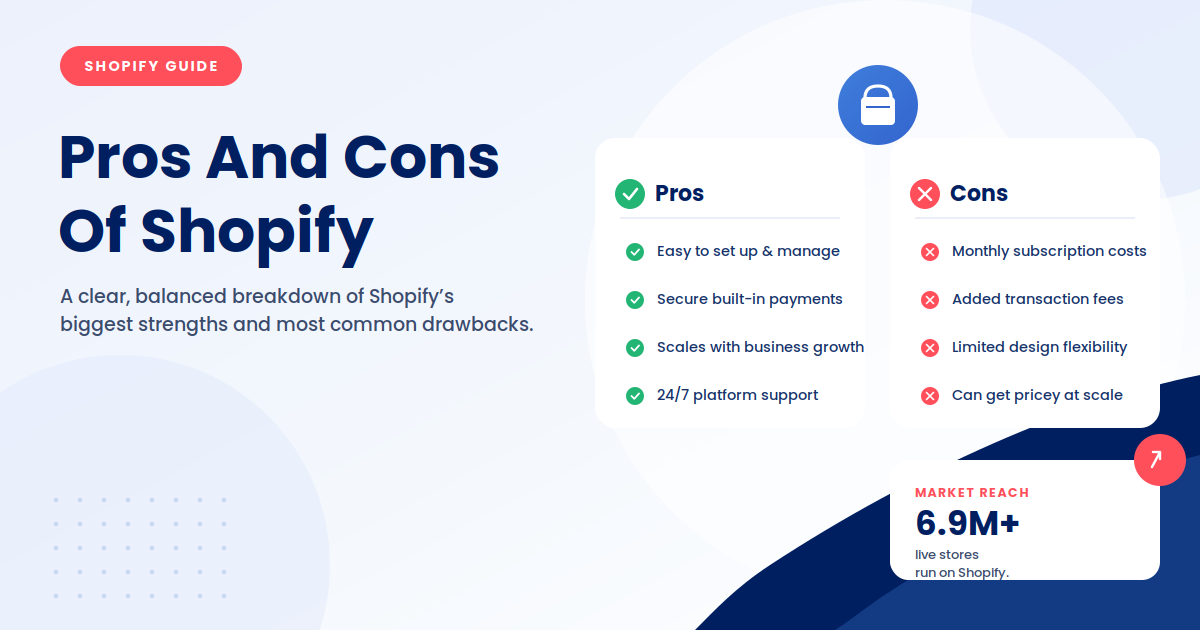
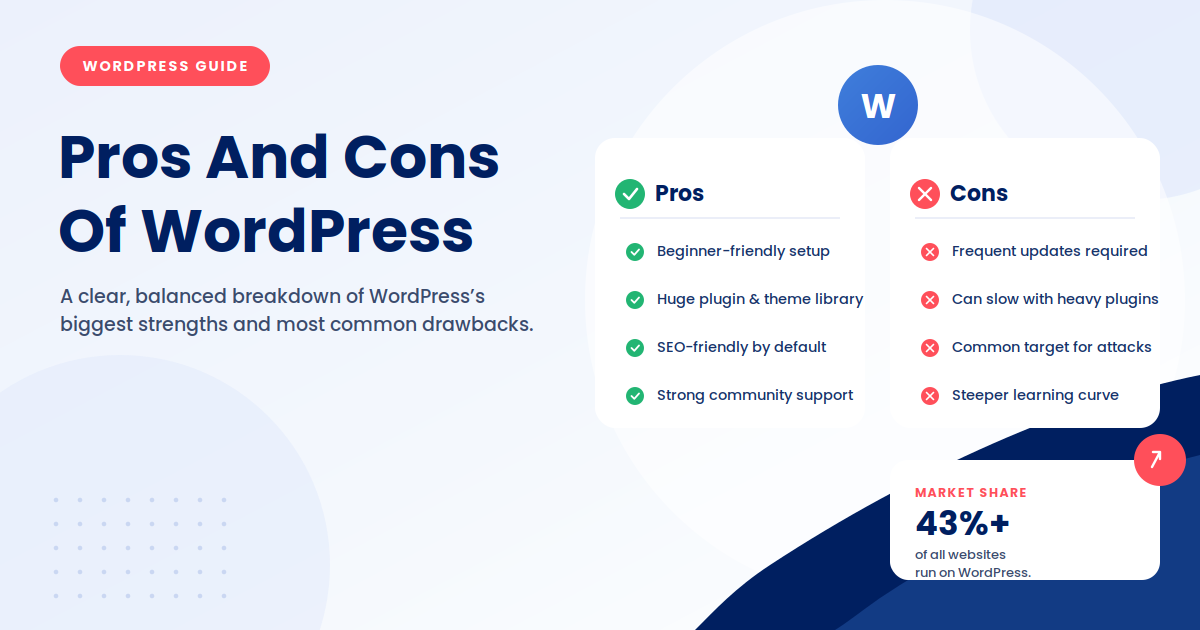
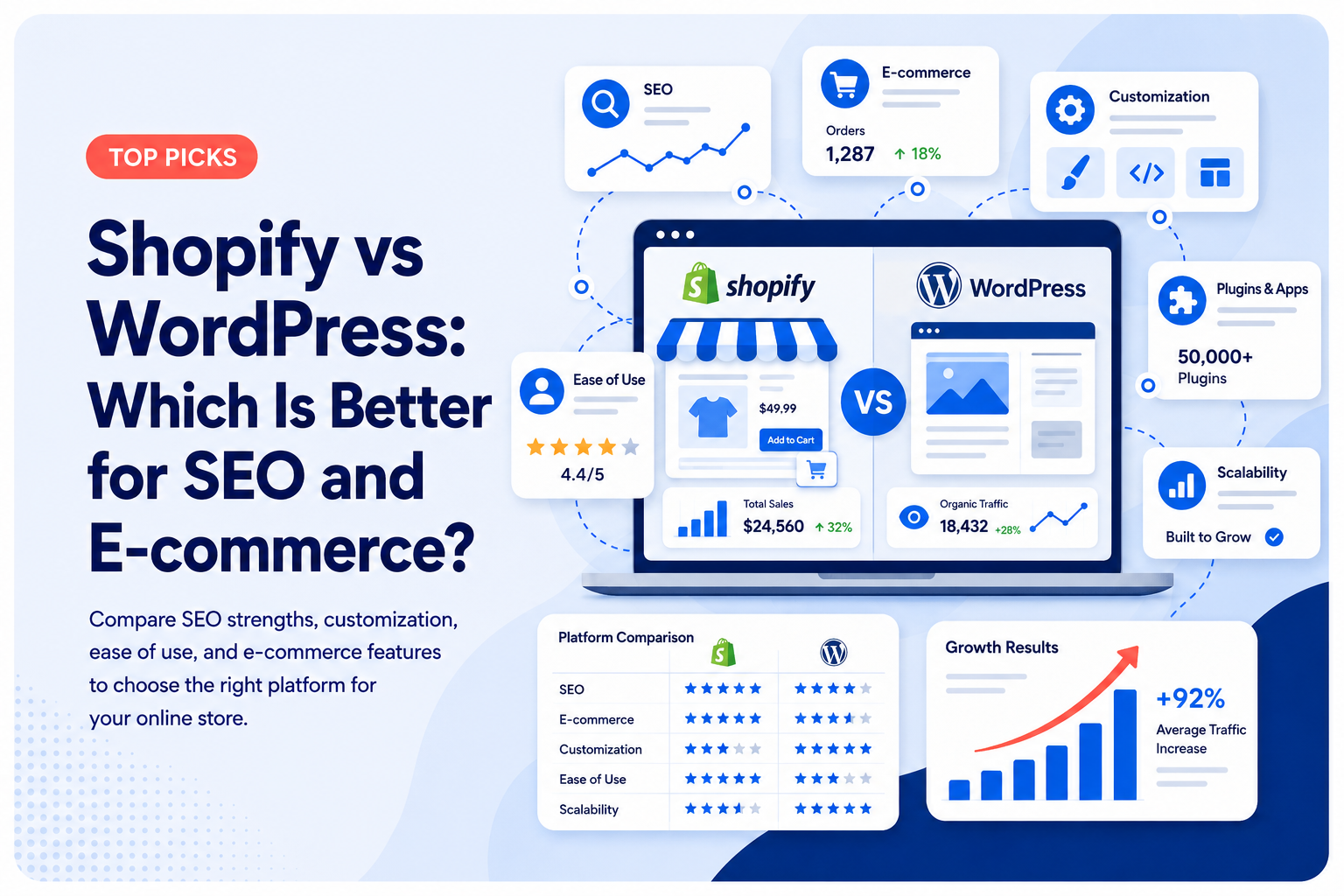
- CMS standards: In WordPress, limit tag creation, write unique category descriptions, and make sure archives don’t replicate post titles/headers. In Shopify, configure collection templates and facet indexation rules to avoid proliferating similar collection URLs.
CMS-specific pitfalls and guardrails
- WordPress: Limit tag creation rights, write unique category descriptions of 300–600 words that link to pillars, noindex thin tags, and avoid duplicating post titles in archive H1s. Use Yoast/RankMath to manage canonicals and noindex at scale. (https://yoast.com/keyword-cannibalization/)
- Shopify: Configure collection filters to avoid generating indexable duplicates. Use canonical tags for variant URLs and avoid identical meta titles across collections differing only by a facet value.
- Webflow/Wix: Watch for duplicated CMS item templates where only a single field changes; add unique fields and noindex low-value variants.
Data-driven approaches to prevent cannibalisation
- SERP‑similarity clustering: Group keywords by SERP overlap (if 6–8 of the top 10 results are the same, treat as one topic). Assign one owner per cluster to avoid overlap.
- Vector or embedding clustering: Use embeddings or TF‑IDF cosine similarity on your existing content to detect near‑duplicate topical coverage; audit anything above a similarity threshold.
- Content brief diffing: Compare a new brief against your pillar’s outline; if the overlap exceeds a threshold, either merge as an update or change the target intent.
What not to do
- Don’t reflexively delete pages that still attract unique, valuable traffic; you may just need to re‑target or demote them from the head term.
- Don’t use canonicals as a band‑aid while keeping conflicting internal links or sitemaps that prioritise the wrong URL.
- Don’t spin up “new versions” of the same ultimate guide every year with the same head term and structure. Update the canonical guide and create supporting posts for truly distinct angles.
- Don’t leave old redirects and cannibal pages linked in your navigation or footer. Clean up sitewide links to reflect the new owner.
How to measure success after a fix
- Primary KPI: average position and clicks for the target query on the designated pillar/owner page (GSC Performance report).
- Secondary KPIs: total clicks across the entire topic cluster (often this rises after consolidation); CTR for the owner page; number of ranking URLs per query (aim to see 1 leading URL per intent).
- Diagnostic metrics: Internal link count and anchor consistency to the owner page; backlink consolidation (count how many external links now point to the owner page after you update outreach and internal references).
- Time to impact: 2–6 weeks is common to see stabilisation and gains once Google re‑crawls and re‑indexes; larger sites or sites with slower crawl rates can take longer.
When cannibalisation is an illusion
There’s active debate in the SEO community about how “real” or harmful cannibalisation is in 2024–2025. Several practitioners argue the label is overused: what looks like cannibalisation may just be Google testing which page best matches intent, or valid coexistence of two pages serving different needs. The community consensus is trending toward: measure impact and intent alignment before you consolidate. In other words, don’t reflexively delete; be surgical.
Singapore-focused nuances and examples
Local intent layering
For terms like “best CNY buffet Singapore,” you’ll often have a listicle, a deals landing page, and a seasonal promotional page. If all three target the same keyword and promise similar outcomes, they compete. Consider: one evergreen listicle ranked for “best CNY buffet Singapore,” a seasonal “2026 promos” page targeting “CNY buffet promotions Singapore,” and an internal linking pattern where the evergreen page is the pillar that links to the live promos page during the season.
Regulatory and institutional references
For finance, tax, or healthcare, reference the right authorities (IRAS, CPF, MOH), deadlines, and thresholds on each Singapore page. This adds unique utility and reduces overlap with regional pages that have generic content.
ccTLD vs subfolder
If you run brand.sg and brand.com/sg, avoid near-duplicate content competing in Singapore SERPs. Choose one primary target for Singapore (often brand.sg or /sg), implement hreflang and self‑referencing canonicals, and give the other clear differentiation or non‑index where appropriate.
Practical examples
Example 1: Blog content cluster cannibalisation
- Situation: A SaaS blog has “project management software” articles: an ultimate guide (2022), a “top 10 tools” list (2023), and a “buyer’s guide” (2024). They all target the same head term.
- Fix: Choose the buyer’s guide as the pillar (fresh and commercial‑leaning). Merge evergreen sections from the 2022 guide; convert the “top 10” into “best project management tools for SMEs” to serve a different intent. 301 the old guide to the buyer’s guide; re‑optimise the listicle and update internal links site‑wide to reference the buyer’s guide for the head term.
- Outcome: One stable top‑5 URL for the head term, with the listicle ranking for an SME‑focused long‑tail.
Example 2: E‑commerce variants
- Situation: A footwear store has indexable URLs for “men’s running shoes,” colour filters, and size filters, all with the same H1 and near‑identical copy. Several of these pages rank erratically for “men’s running shoes Singapore.”
- Fix: Keep one indexable category page for the head term. Canonicalise colour/size variants to the base category. Create a unique landing page only for facets with distinct demand (e.g., “running shoes for flat feet”), with unique copy, guides, and FAQs. Update internal links to prioritise the base category for the head term.
- Outcome: Authority concentrates on the base category; long‑tail facets capture specific demand without competing with the main PLP.
Example 3: International/geo duplicates
- Situation: brand.com/sg and brand.sg both host near‑identical “X service in Singapore” content.
- Fix: Choose a primary domain for Singapore, migrate and redirect the duplicate. Where both must exist, differentiate: one as corporate/global with hreflang to a truly localised /sg page that features local case studies, pricing in SGD, and Singapore regulations. Avoid duplicated headlines and boilerplate.
Example 4: Programmatic SEO template
- Situation: A marketplace generates thousands of “best plumbers in {city}” pages with the same intro/outro and only the city swapped. Many pages compete for broader “best plumbers” terms, none winning.
- Fix: Introduce uniqueness thresholds: require local data (prices, availability windows), top providers with reviews, neighbourhood notes, and local regulations. Noindex pages that don’t meet the threshold; canonicalise “nearby” variants to the main city page. Consolidate weaker city pages into regional hubs if demand is thin.
Frequently asked questions
Can two pages from my site rank for the same keyword?
Yes. If they genuinely satisfy different intents (e.g., an informational guide and a pricing page), Google may show both. This isn’t necessarily cannibalisation. But if performance metrics show that both suffer compared to a single strong page, consider consolidating or re‑targeting.
Is cannibalisation the same as duplicate content?
Overlap can include outright duplication, but cannibalisation more often stems from multiple unique pages that target the same term/intent. The problem is signal dilution, not just duplication.
Should I always redirect the weaker page?
Not always. If the weaker page addresses a different stage of the buying process, re‑target it instead. Redirect when the overlap is near‑total and you can preserve equity by consolidating into one page.
Can internal links alone fix cannibalisation?
Sometimes. If two pages are borderline but one should clearly lead, tightening internal links and anchors to the leader can resolve ambiguity. For substantial overlap, you’ll likely need consolidation plus internal links.
Noindex or robots.txt?
Noindex for pages you want accessible but out of the index (e.g., thin archives), because Google can still crawl and follow links. Use robots.txt only when you don’t want crawling at all; but blocked pages won’t pass signals and can’t see canonicals.
What about case studies vs solutions pages?
Give case studies unique titles that include the client/industry and problem solved; aim them at long‑tail queries (“reduce churn in fintech SaaS”). Reserve the head term for the solutions page and link case studies as proof points.
How do I handle “best X Singapore” listicles that we update every year?
Use one canonical evergreen URL (e.g., /best-x-singapore/) and update it annually, preserving backlinks and equity. Maintain a change‑log section for 2024, 2025, etc., rather than creating new URLs that compete.
Conclusion
At First Page Digital, we have a team of experienced SEO professionals who have been in the industry for many years. Our experts stay ahead of the latest SEO trends and can help guide you through the complexities of keyword clustering and cannibalisation. If you are seeking advice or want to exchange ideas with our professionals, we are here to assist.
Consult with our SEO experts and learn more about PageRank and link-building strategies:
By understanding the ongoing role of link building and PageRank, you can continue to improve your website’s SEO and achieve long-term success.
Unsure if First Page Digital’s SEO is for you? Check out our compiled list of the best SEO agencies in Singapore to find and compare other SEO services.